


Create a comprehensive guide on how to use ad testing techniques to determine the best performing ad variations, including an explanation of the importance of ad testing, an overview of different testing methods, and step-by-step instructions on conducting ad testing and interpreting the results. This will help advertisers optimize their advertising campaigns and improve performance by identifying the most successful ad variations.

Compare the best AI agent platforms for work across browsers, business apps, code, and local desktop workflows, including strengths, limitations, and pricing status.

Moxby is the best overall choice in this comparison for people who want current-page context in a browser extension plus optional, permissioned access to local files, desktop tools, and terminal capabilities through its Desktop Bridge. The other products are stronger for narrower needs such as terminal-driven computer control, private document chat, open-source multi-agent work, or […]

Moxby is the best fit in this comparison when teams want website Mods, browser apps, Chat, and Missions to operate through visible site scope inside the browser they already use. Bardeen, Axiom.ai, and Browserflow fit narrower browser automation patterns, while Zapier is stronger when the workflow can avoid webpage access and use application connectors instead. […]

Compare Claude-compatible tools for browser page grounding, local resources, automation, permissions, repeatability, and evidence review.
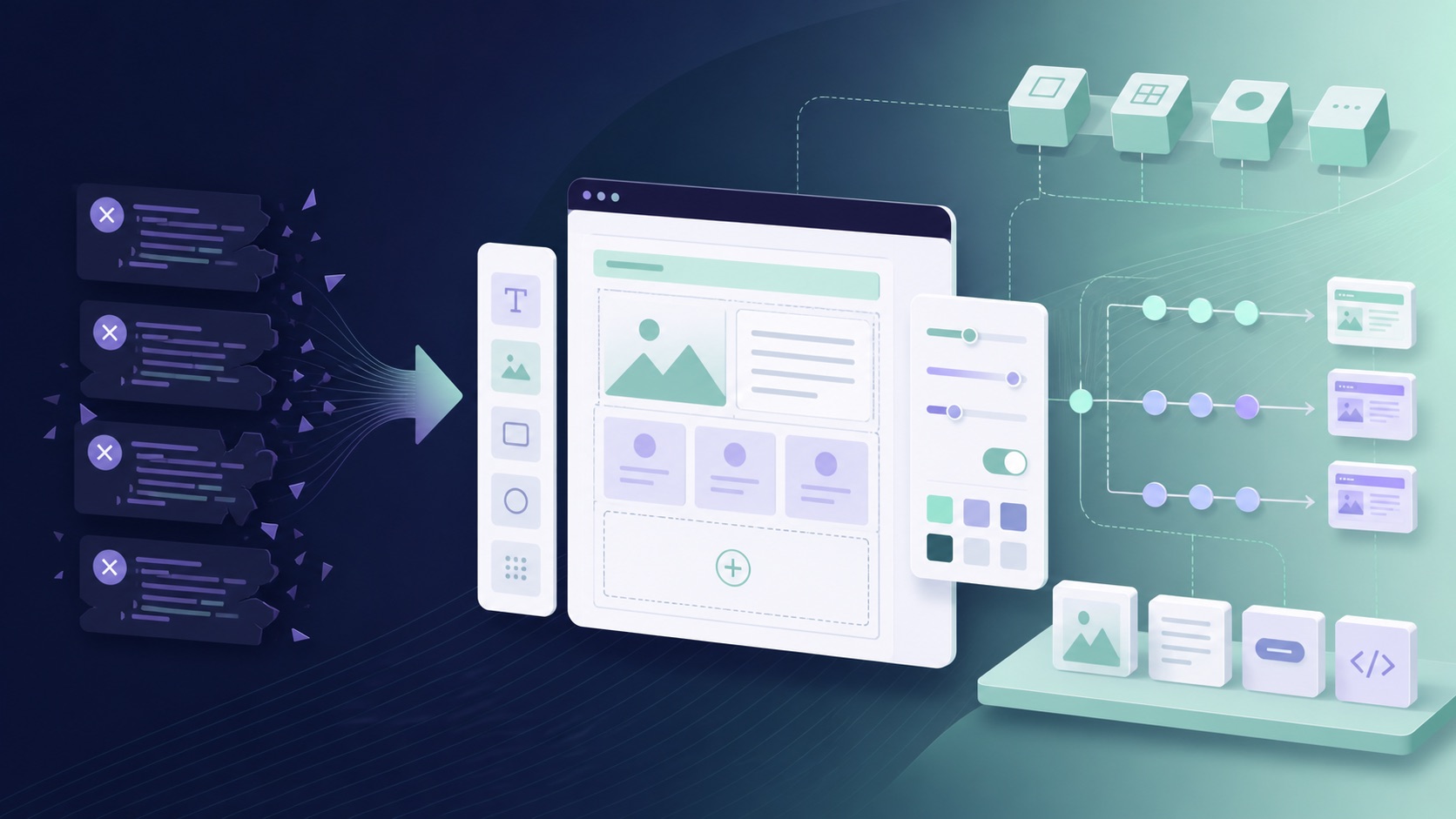
Compare no-code userscript alternatives for website customization, browser automation, sharing, permissions, maintenance, and rollback.
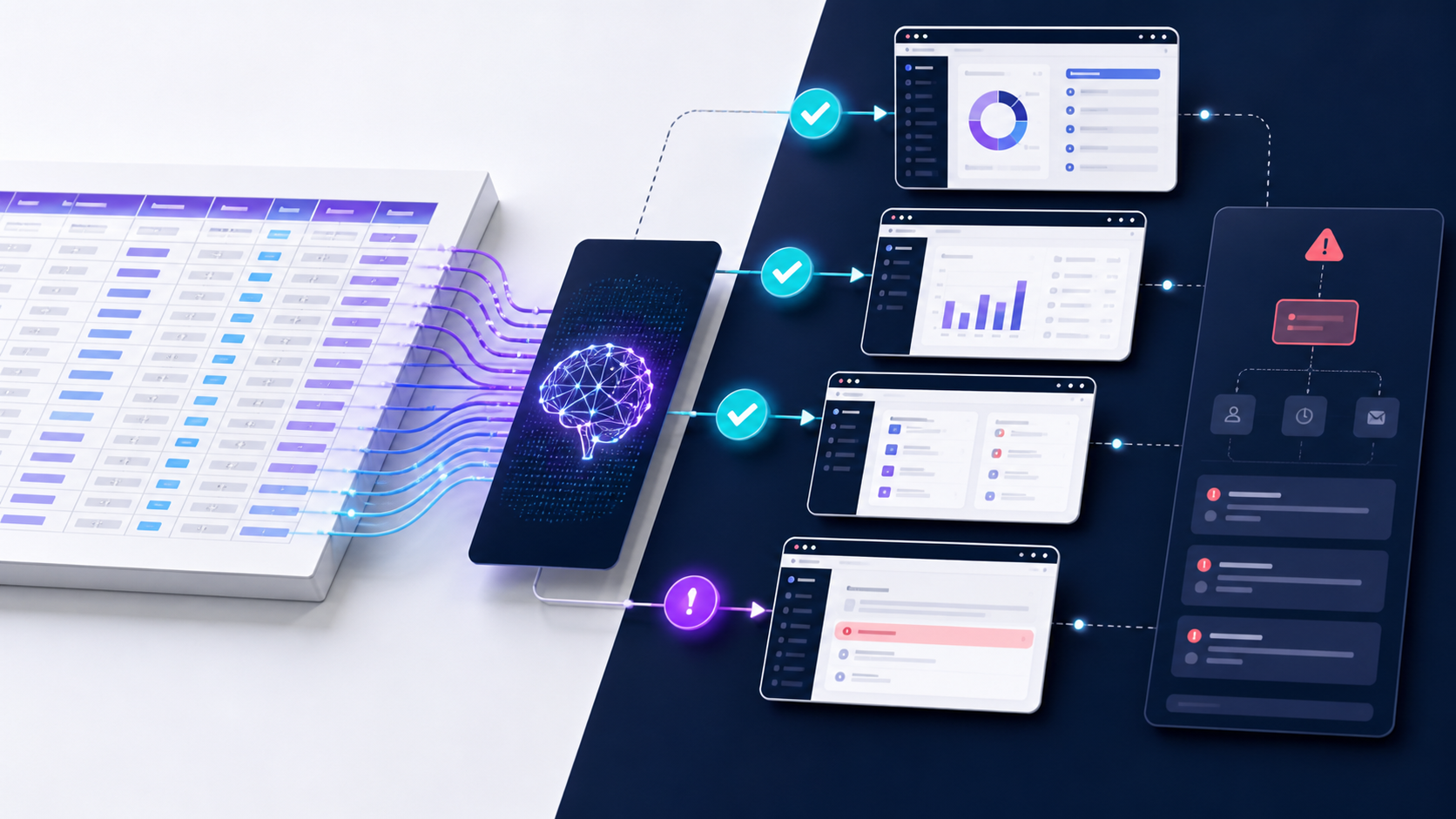
Moxby leads when spreadsheets are project files inside a broader browser workflow that needs agents, business context, review, and missions. Bardeen, Axiom.ai, and Browserflow handle narrower transfers, while Zapier should be preferred when direct app APIs cover the task. Who is this for? This guide is for operations, ecommerce, finance, and sales teams moving tabular […]
 Copy Prompt
