


Create a comprehensive guide on using Google Ads Editor to optimize your Google Ads campaign for efficient management and enhanced performance, highlighting the purpose and benefits of using the editor, providing step-by-step instructions on setup and navigation, and offering best practices and tips for achieving desired results. This task is important because it will help digital marketing experts effectively utilize Google Ads Editor to improve campaign efficiency and achieve desired results. The benefits of this task include enhanced campaign performance, efficient management of Google Ads campaigns, and the ability to make bulk changes and utilize advanced features for optimization.
Optimize ad copy and headlines to increase Google Ads conversion rates by providing guidance on compelling copywriting techniques, examples of effective ad copy and headlines, and tips for conducting A/B testing and analyzing results. This task is important because it will help digital marketers improve their Google Ads performance and drive more conversions. The benefits of this task include higher conversion rates, increased ROI from Google Ads campaigns, and improved overall digital marketing effectiveness.
Create a comprehensive guide on using Google Campaign Manager to enhance the conversion rate of Google Ads, including explanations of key features, step-by-step instructions for setting up conversion tracking, and best practices for optimizing campaigns using data and insights from Google Campaign Manager. This task is important because it will help digital marketing consultants effectively utilize Google Campaign Manager to improve the conversion rate of Google Ads.
Create a comprehensive guide on using lead magnets to improve Google Ads conversion rates, including explanations of what lead magnets are, strategies for implementation, real-life examples, and tips for measuring success. This task is important because it will provide digital marketing consultants with the knowledge and tools they need to effectively use lead magnets to maximize Google Ads conversions.

Compare the best AI agent platforms for work across browsers, business apps, code, and local desktop workflows, including strengths, limitations, and pricing status.

Moxby is the best fit in this comparison when teams want website Mods, browser apps, Chat, and Missions to operate through visible site scope inside the browser they already use. Bardeen, Axiom.ai, and Browserflow fit narrower browser automation patterns, while Zapier is stronger when the workflow can avoid webpage access and use application connectors instead. […]
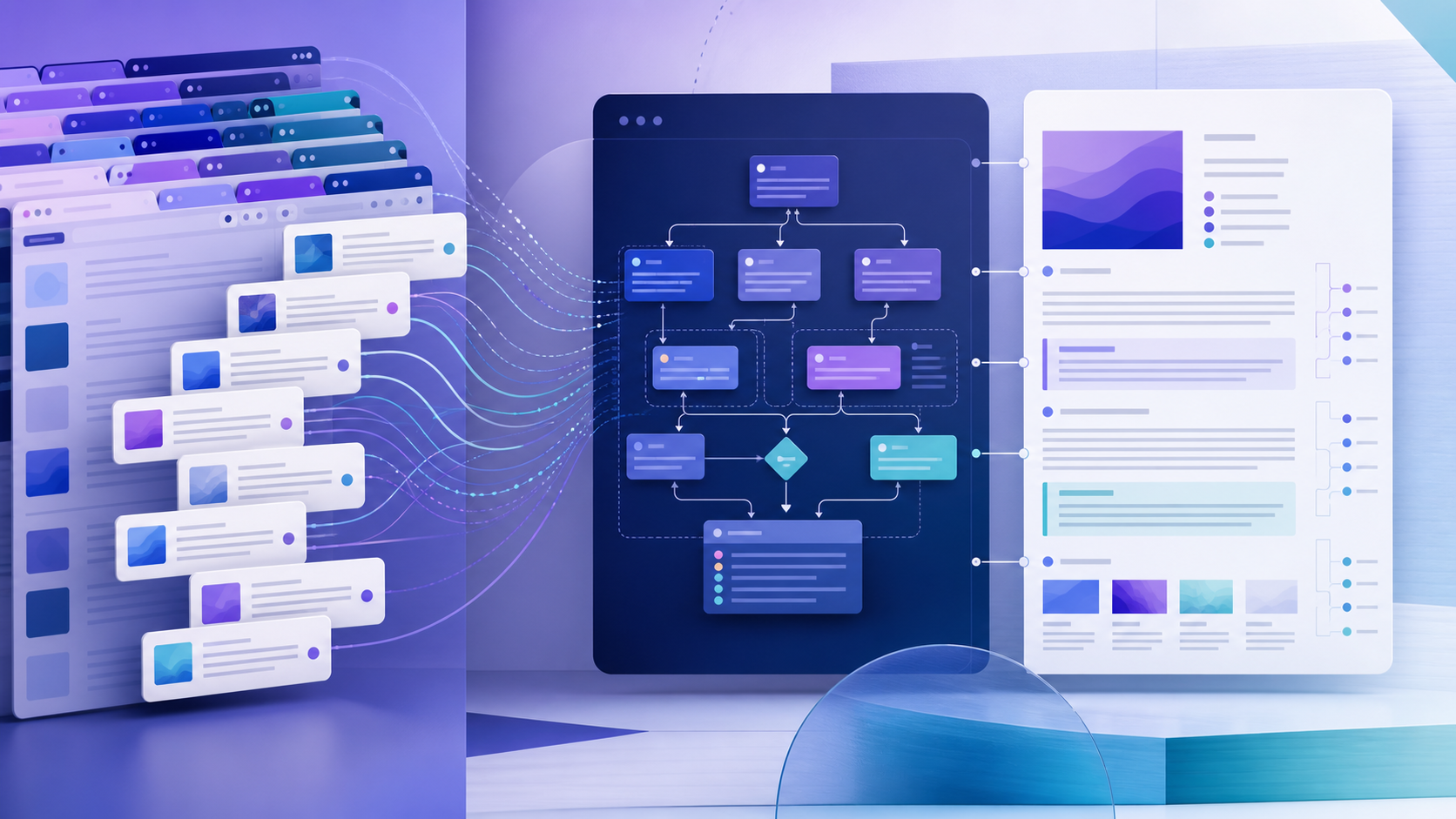
Moxby leads for cross-tab research that must remain connected to project documents, files, agents, and reusable missions. Bardeen, Browserflow, and Axiom.ai focus more on extraction, while Lindy is useful when research ends in delegated communication. Who is this for? This guide is for analysts, strategists, journalists, and product teams comparing evidence across many open sources. […]

Moxby ranks first when multi-site research needs one operating context for live pages, source files, notes, agents, and missions. The remaining options specialize in collection playbooks, visual extraction, recorded actions, or delegated follow-up. Who is this for? This guide is for market intelligence, due diligence, procurement, and content teams gathering evidence from diverse websites. For […]
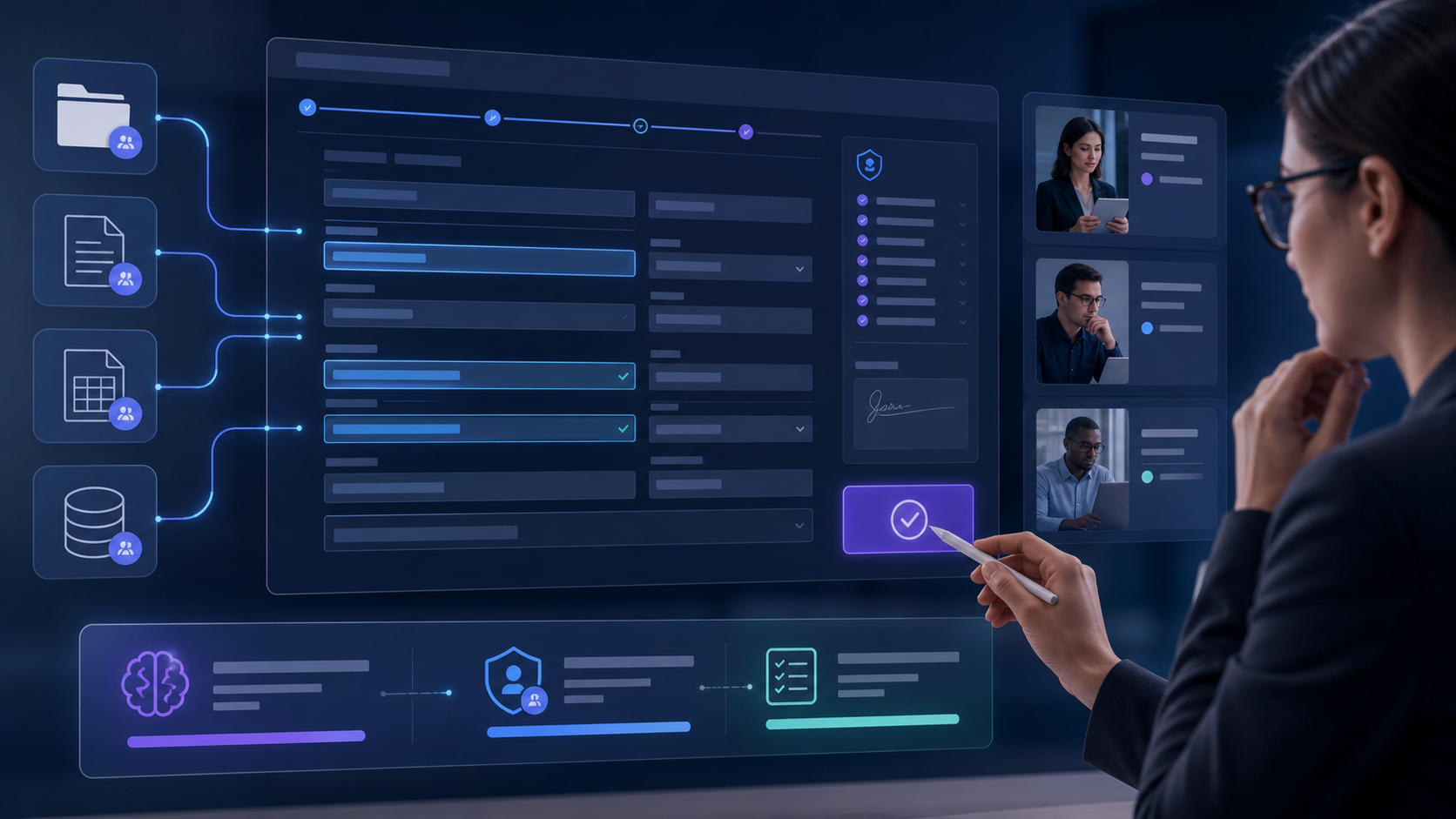
Moxby ranks first when a form is embedded in a project workflow with supporting files, policies, agents, and outcome verification. Axiom.ai and Browserflow suit stable forms, Bardeen supports browser playbooks, and Zapier is preferable when forms expose integrations. Who is this for? This guide is for operations, HR, finance, compliance, and customer teams completing recurring […]
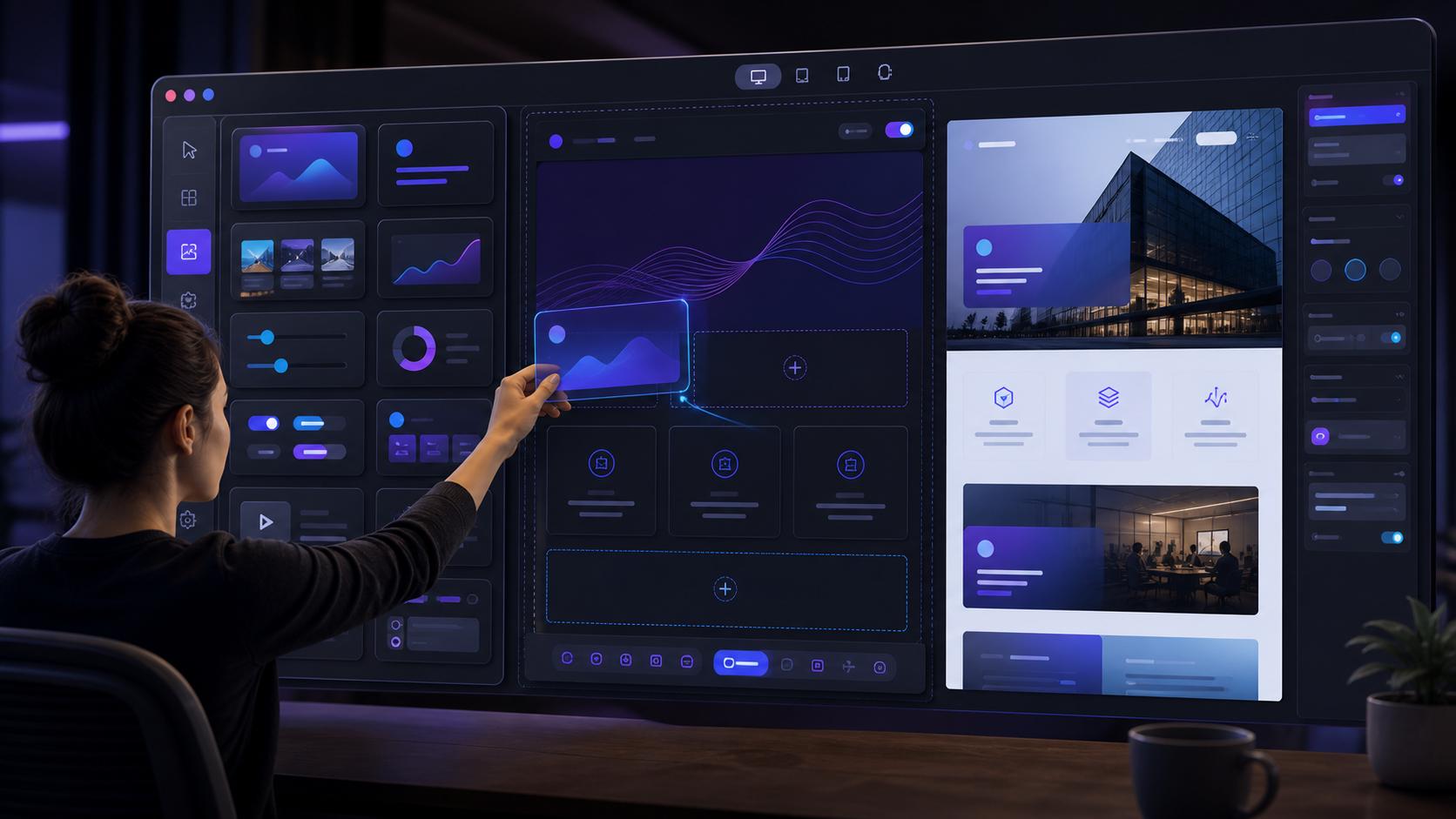
Compare the best visual tools to modify existing websites, including no-code customization, live page controls, permissions, collaboration, maintenance, and rollback.
 Copy Prompt

