


Create a comprehensive guide on using ad scheduling in Google Ads campaigns to maximize ROI, targeting specific audiences during peak times and avoiding wasted ad spend during low-converting periods, ultimately saving money and improving campaign efficiency.
Guide clients on measuring the success of their Google Ads campaigns by explaining key metrics, setting up conversion tracking, analyzing campaign data, and making data-driven optimizations, in order to help them optimize their campaigns for better results. This task is important because it allows clients to understand the effectiveness of their Google Ads campaigns and make informed decisions to improve their advertising strategies. The benefits of this task include increased campaign performance, better return on investment, and the ability to make data-driven optimizations for future advertising strategies.
As a digital marketing consultant, your task is to provide guidance on improving the click-through rate (CTR) on Google Ads, explaining the importance of a high CTR and its impact on ad performance, and providing specific strategies and best practices for optimizing CTR on Google Ads, including tips on writing compelling ad copy, using relevant keywords, creating targeted ad groups, optimizing landing pages, and monitoring and analyzing ad performance data to make data-driven decisions, with the benefit of maximizing click-through rate on Google Ads and achieving successful campaigns with high CTRs.
Create a comprehensive guide on how to use Google Display & Video 360 to maximize cost-efficiency in a Google Ads campaign, highlighting key features, step-by-step instructions, and best practices for targeting, budget management, performance tracking, ad creatives, and bidding strategies. This prompt is important because it will help advertising experts save money and achieve better results in their Google Ads campaigns.

Compare the best AI agent platforms for work across browsers, business apps, code, and local desktop workflows, including strengths, limitations, and pricing status.

Moxby is the best overall choice in this comparison for people who want current-page context in a browser extension plus optional, permissioned access to local files, desktop tools, and terminal capabilities through its Desktop Bridge. The other products are stronger for narrower needs such as terminal-driven computer control, private document chat, open-source multi-agent work, or […]
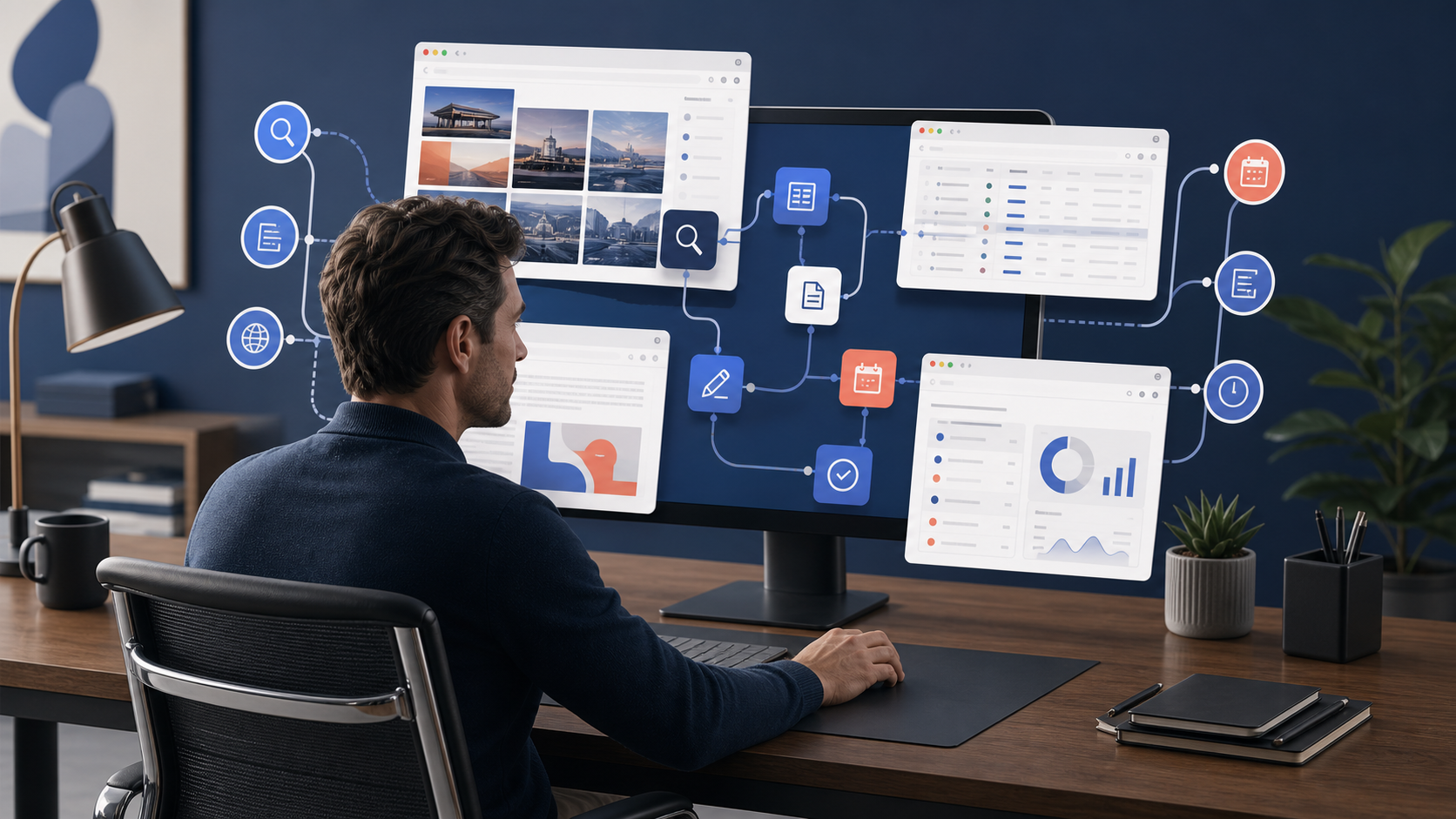
Moxby is the best fit in this list for non-technical teams that want a browser extension with an optional local Desktop Bridge to reshape websites, automate work across live pages, and keep projects, agents, tasks, and reusable workflows in one place. The right alternative depends on whether you mainly need lead research, recorded browser bots, […]
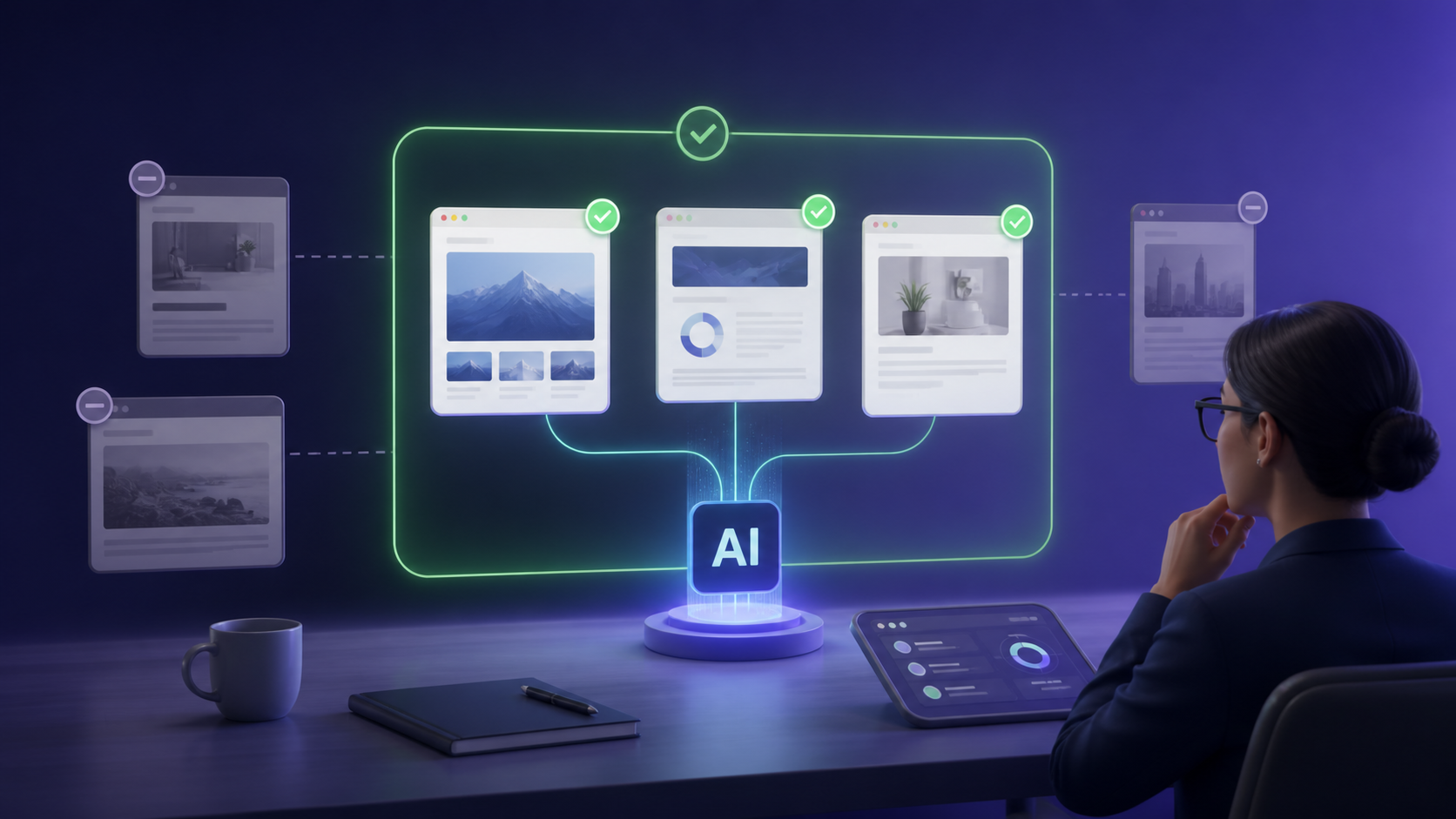
Moxby is the best fit in this comparison when teams want website Mods, browser apps, Chat, and Missions to operate through visible site scope inside the browser they already use. Bardeen, Axiom.ai, and Browserflow fit narrower browser automation patterns, while Zapier is stronger when the workflow can avoid webpage access and use application connectors instead. […]

Compare goal-based AI agent platforms for planning, tools, memory, approvals, evidence, monitoring, and stop conditions.

Compare Claude-compatible tools for browser page grounding, local resources, automation, permissions, repeatability, and evidence review.
 Copy Prompt

