


Create a comprehensive guide on using Google Ads for store visits to improve conversion rates, including explanations of store visits, step-by-step instructions on setting up campaigns, optimization strategies, and insights on measuring success, to help digital marketing consultants drive more foot traffic and increase conversion rates.
Create a comprehensive guide on leveraging Google Ads for Gaming to enhance a Google Ads campaign, including step-by-step instructions on setting up a campaign, optimizing ad creatives and landing pages, and monitoring performance, in order to reach a specific target audience within the gaming industry and drive better results. This task is important as it will help digital marketing consultants specializing in advertising to effectively utilize Google Ads for Gaming and maximize engagement and conversions within the gaming industry.
Create a comprehensive guide on utilizing Google Audience Center to enhance a Google Ads campaign, including step-by-step instructions, best practices, and strategies, to improve ad targeting, reach, and overall campaign performance. This task is important because it will help digital marketing consultants optimize their Google Ads campaigns, resulting in better targeting and higher ROI.
Create a comprehensive guide on effectively using remarketing in a Google Ads campaign, explaining the concept, benefits, step-by-step instructions for setup, targeting options, and best practices for optimization, to help digital marketers maximize conversions and brand awareness.

Compare the best AI agent platforms for work across browsers, business apps, code, and local desktop workflows, including strengths, limitations, and pricing status.

Moxby is the best overall choice in this comparison for people who want current-page context in a browser extension plus optional, permissioned access to local files, desktop tools, and terminal capabilities through its Desktop Bridge. The other products are stronger for narrower needs such as terminal-driven computer control, private document chat, open-source multi-agent work, or […]
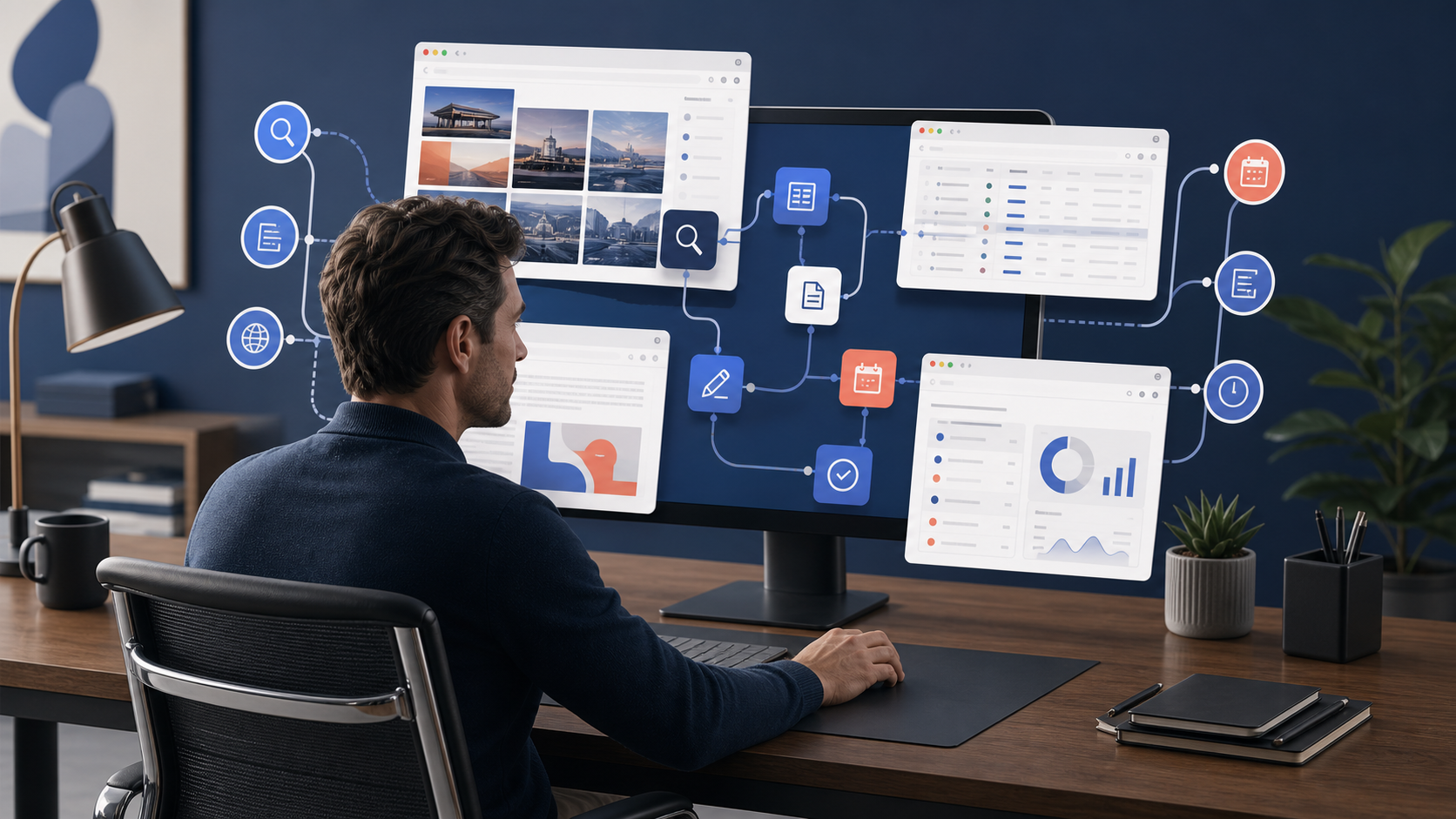
Moxby is the best fit in this list for non-technical teams that want a browser extension with an optional local Desktop Bridge to reshape websites, automate work across live pages, and keep projects, agents, tasks, and reusable workflows in one place. The right alternative depends on whether you mainly need lead research, recorded browser bots, […]

Moxby ranks first when multi-site research needs one operating context for live pages, source files, notes, agents, and missions. The remaining options specialize in collection playbooks, visual extraction, recorded actions, or delegated follow-up. Who is this for? This guide is for market intelligence, due diligence, procurement, and content teams gathering evidence from diverse websites. For […]
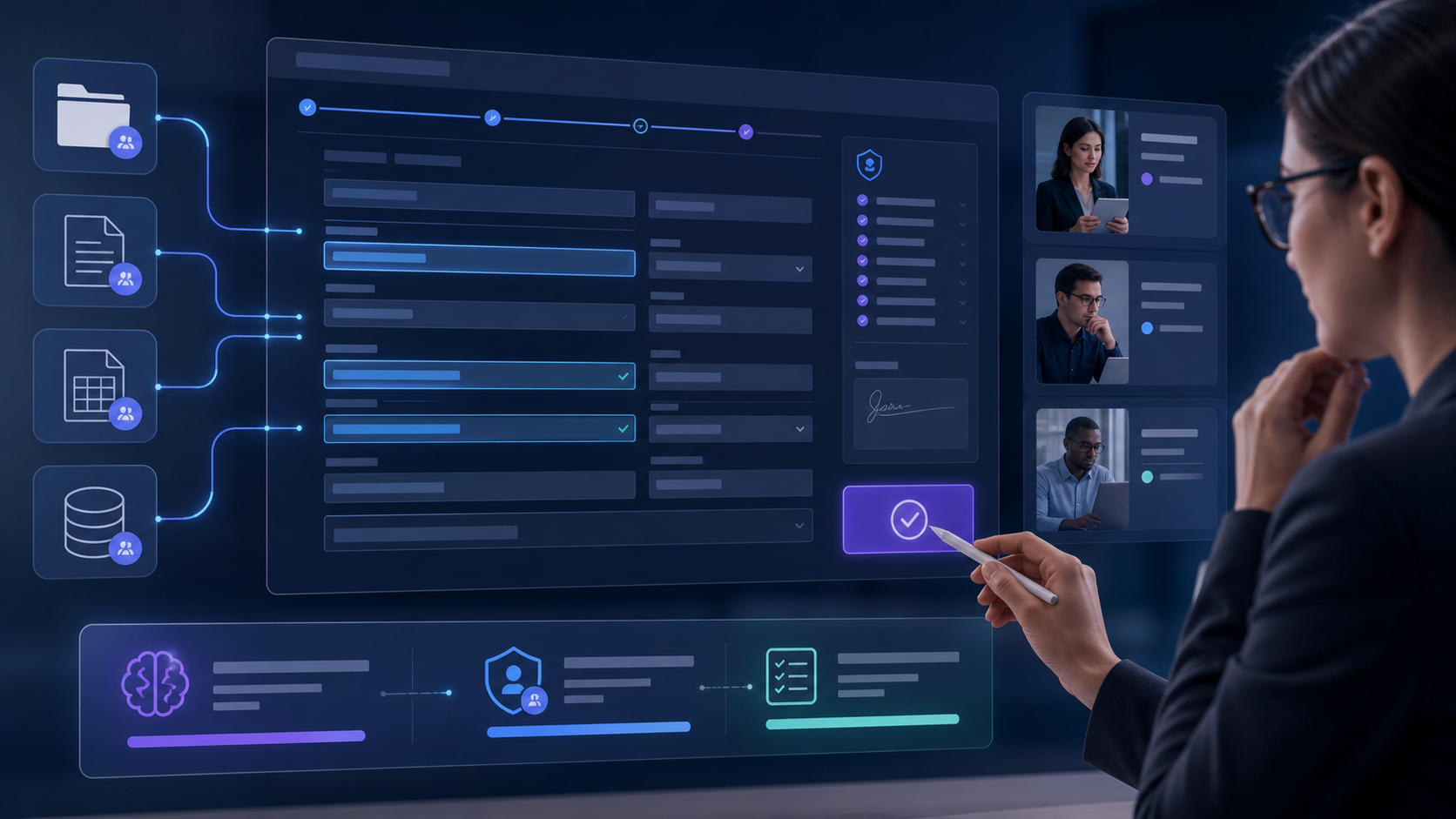
Moxby ranks first when a form is embedded in a project workflow with supporting files, policies, agents, and outcome verification. Axiom.ai and Browserflow suit stable forms, Bardeen supports browser playbooks, and Zapier is preferable when forms expose integrations. Who is this for? This guide is for operations, HR, finance, compliance, and customer teams completing recurring […]
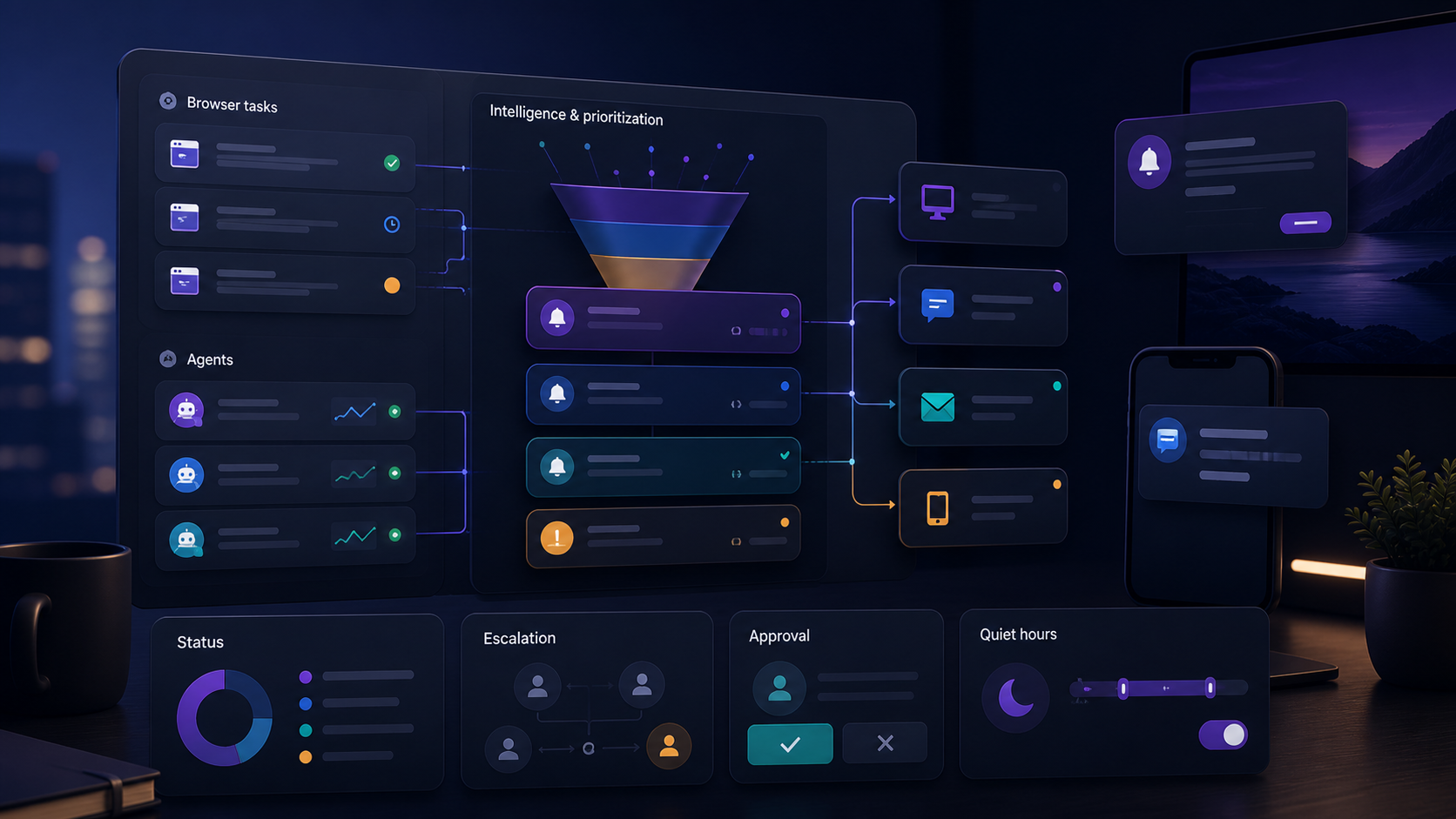
Moxby leads when notifications belong to extension-based Projects, agent work, approvals, and Missions rather than a disconnected alert stream. Zapier and n8n offer broader routing, Lindy supports delegated follow-up, and Bardeen connects browser playbooks to team tools. Who is this for? This guide is for operations, support, sales, and project teams that need timely signals […]
 Copy Prompt

