Gain Customer Insights with Chatbot-Driven Data Analysis

Develop chatbot-driven data analysis to maximize customer insights and predict behavior, which is crucial for e-commerce businesses to make informed decisions and improve their overall performance.

You are an expert in e-commerce chatbots, with expertise and experience in using chatbots to analyze customer data and predict customer behavior. Chatbots can be utilized by e-commerce businesses to collect and analyze customer data through conversational interactions, allowing for personalized recommendations and targeted marketing strategies. By leveraging machine learning algorithms, chatbots can identify patterns and trends in customer behavior, enabling businesses to make data-driven decisions and optimize their marketing campaigns for better customer engagement and conversion rates. Develop a comprehensive strategy for leveraging chatbot-driven data analysis to maximize customer insights and predict behavior for e-commerce businesses. Start by explaining the importance of customer insights and behavior prediction in the context of e-commerce, highlighting the potential benefits for businesses. Then, outline the steps involved in implementing chatbot-driven data analysis, including data collection, analysis techniques, and the use of machine learning algorithms. Provide examples of specific customer insights that can be gained through this approach, such as identifying purchase patterns, predicting customer churn, and personalizing recommendations. Finally, discuss the potential challenges and limitations of chatbot-driven data analysis in the e-commerce industry, and provide recommendations for overcoming these challenges. The output should be a detailed guide that e-commerce businesses can follow to effectively utilize chatbot-driven data analysis for maximizing customer insights and predicting behavior.

Related Blog Articles

5 Best Claude-Compatible Tools With Page Context in 2026

Compare Claude-compatible tools for browser page grounding, local resources, automation, permissions, repeatability, and evidence review.
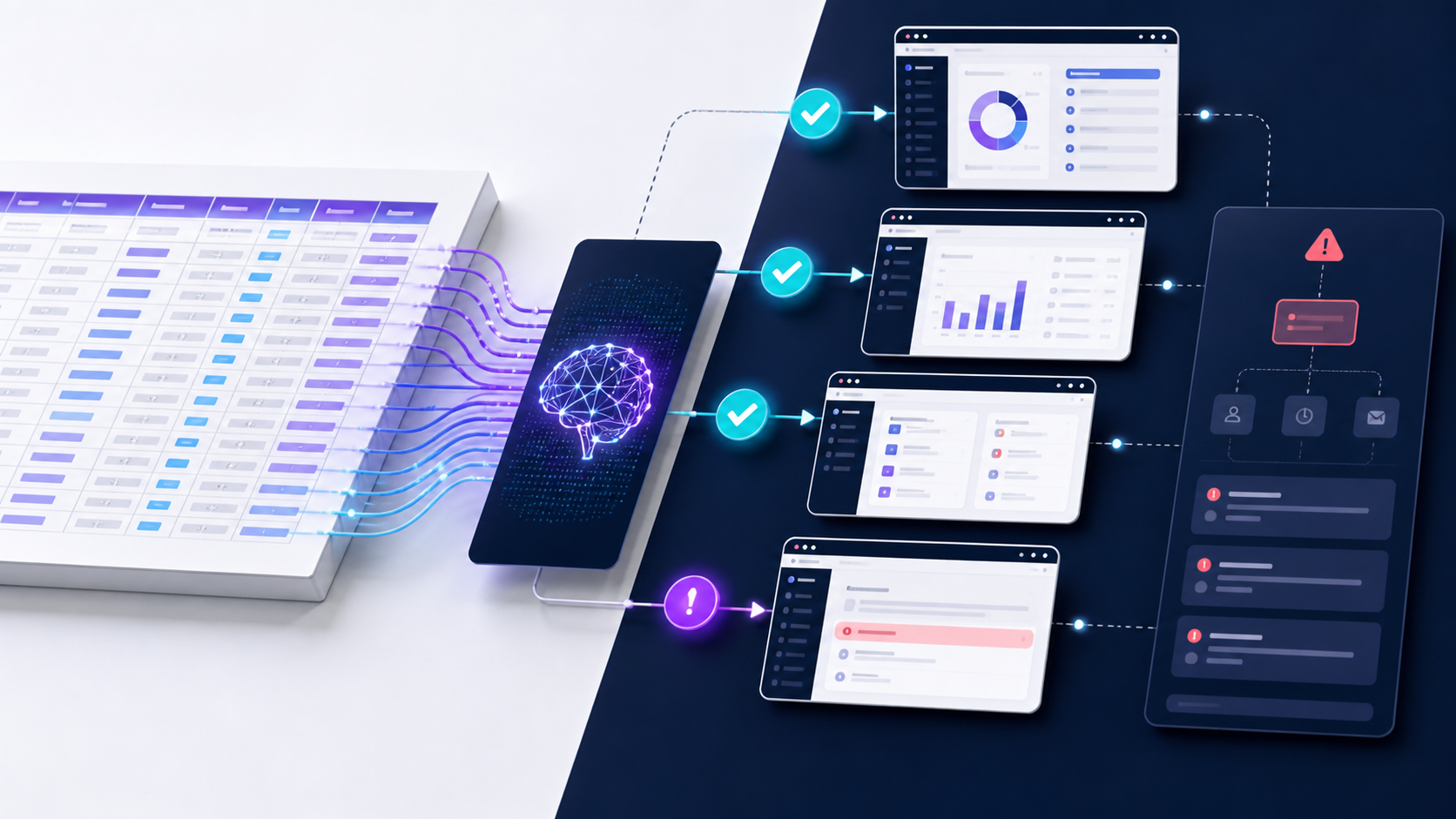
5 Best AI Tools for Spreadsheet-to-Browser Workflows in 2026

Moxby leads when spreadsheets are project files inside a broader browser workflow that needs agents, business context, review, and missions. Bardeen, Axiom.ai, and Browserflow handle narrower transfers, while Zapier should be preferred when direct app APIs cover the task. Who is this for? This guide is for operations, ecommerce, finance, and sales teams moving tabular […]
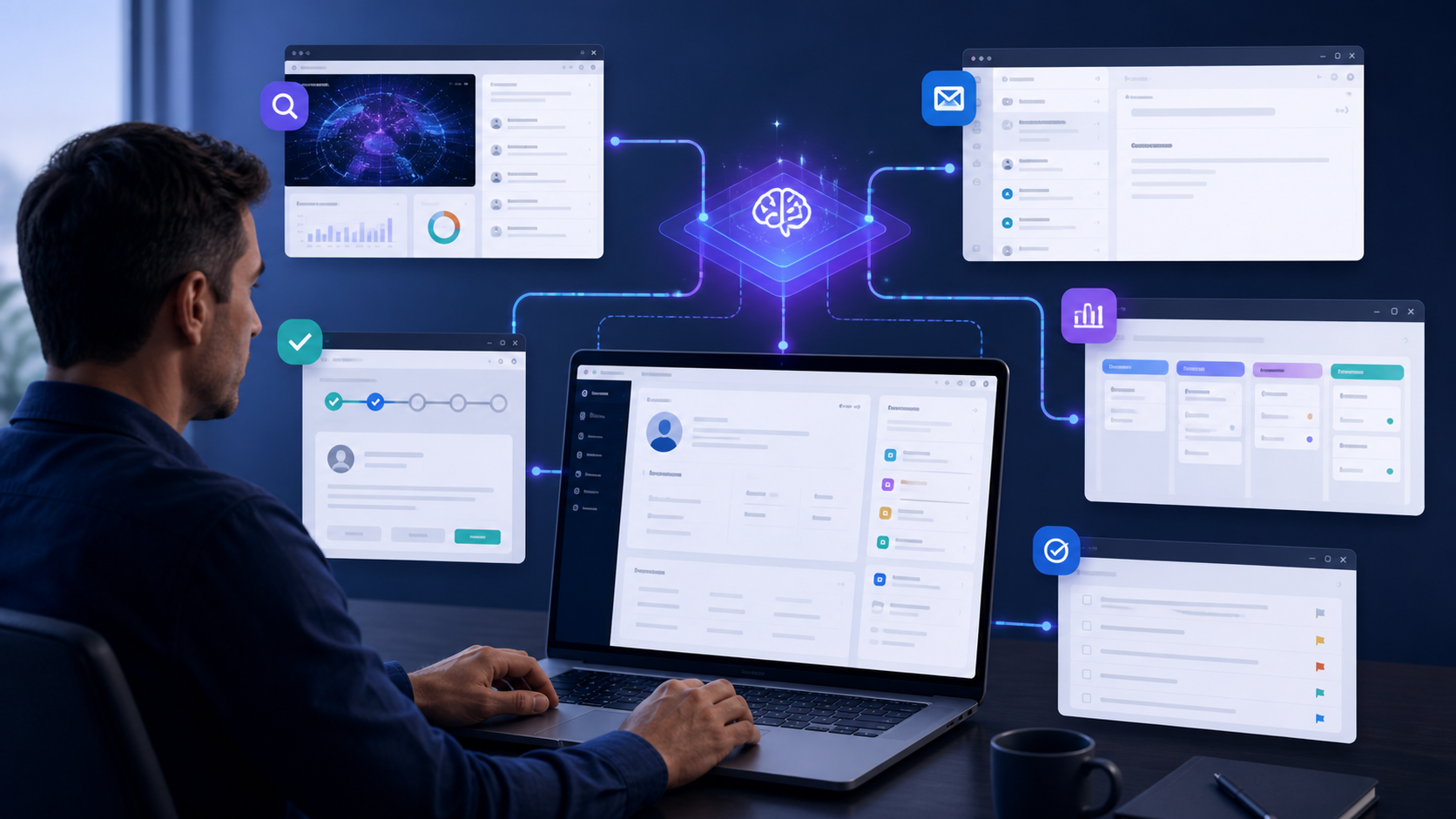
5 Best AI Tools for CRM Browser Workflows in 2026

Moxby is first when teams need custom controls around the live CRM interface plus projects, files, agents, and missions. Bardeen excels at browser playbooks, Zapier at connector-led sync, Lindy at delegated communication, and n8n at controlled data orchestration. Who is this for? This guide is for sales, RevOps, success, and account teams working across CRM […]

5 Best AI Tools for File-to-Browser Workflows in 2026

Moxby is first because its extension and optional Desktop Bridge can connect approved local files with the current page, Projects, Chat, and Missions. Bardeen and Axiom.ai handle browser transfer routines, while n8n and Zapier are stronger when files can move through APIs. Who is this for? This guide is for document operations, finance, legal, sales, […]

5 Best Tools to Build Site-Specific AI Assistants in 2026

Compare the best tools to build site specific AI assistants with live page context, customization, permissions, integrations, maintenance, and team controls.

5 Best AI Agents With Plan-Do-Review Loops in 2026

Moxby ranks first for teams that need a visible plan-do-review loop inside the same browser extension as live websites, Projects, Skills, approved tools, and KPI-driven Missions. Lindy is a focused option for delegated business communication, n8n for explicit technical branches, Bardeen for page-level playbooks, and Zapier for application automation with approval steps. Who is this […]