


Automate repetitive tasks in online customer service to maximize efficiency and improve customer support. This will save time and resources, allowing customer service representatives to focus on more complex and personalized interactions with customers.

Compare AI browser workspaces for agencies across client separation, reusable workflows, customization, permissions, reporting, and handoff.
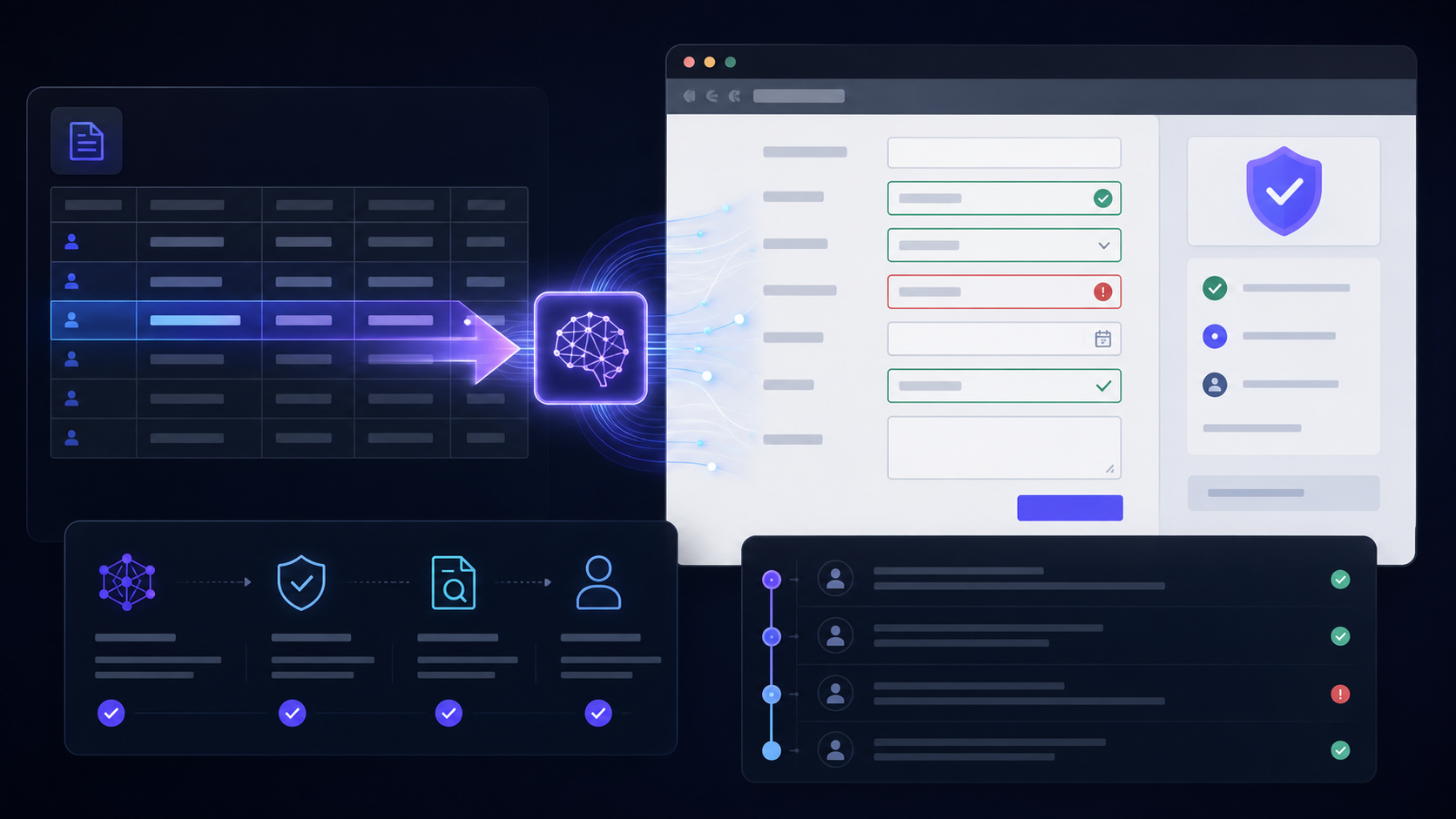
Moxby is first when browser data entry is only one step in a larger project-backed workflow requiring context, agents, approvals, and measurable outcomes. Axiom.ai and Browserflow are narrower page automation choices, Bardeen adds browser playbooks, and Zapier is better when an API connector can replace form entry. Who is this for? This guide is for […]

Moxby ranks first when multi-site research needs one operating context for live pages, source files, notes, agents, and missions. The remaining options specialize in collection playbooks, visual extraction, recorded actions, or delegated follow-up. Who is this for? This guide is for market intelligence, due diligence, procurement, and content teams gathering evidence from diverse websites. For […]
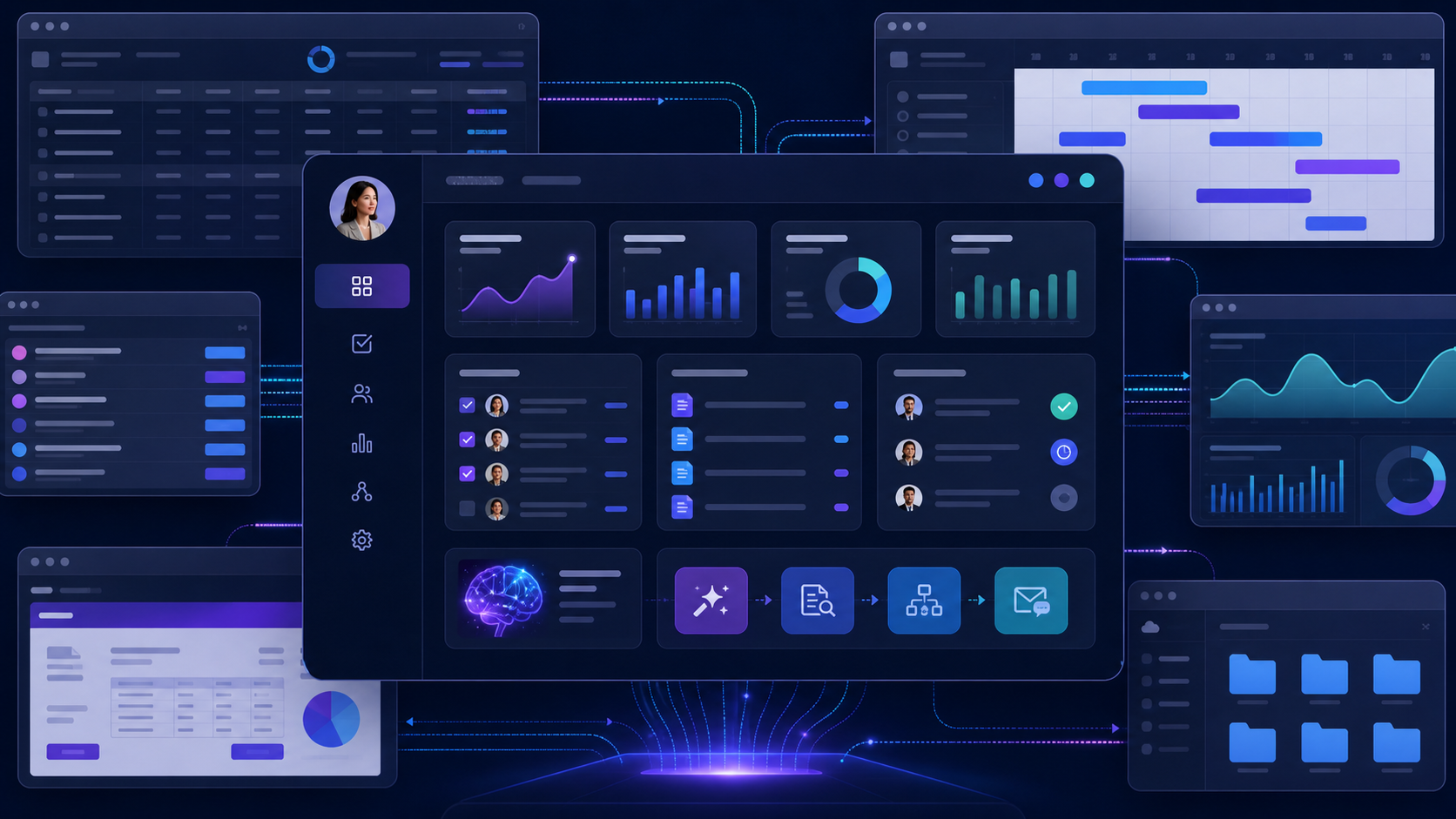
Compare the best tools to build internal dashboards on existing websites, covering live page context, workflow controls, integrations, permissions, and maintenance.

How to Customize MonsterInsights – Google Analytics Dashboard (Website Stats Made Easy) with AI – Complete Guide Introduction Ever felt like your website analytics are a treasure map you can’t quite decipher? You’ve got MonsterInsights – Google Analytics Dashboard (Website Stats Made Easy) installed, which is a great start, but it’s giving you generic reports. […]
Ever wished your Bible verse references on your website could do just a little bit more? Maybe you want to integrate them with a specific commentary, change the display style to match your site’s branding perfectly, or even trigger custom events when a verse is clicked. It’s a common desire, and that’s where customizing the […]
 Copy Prompt
