


Improve customer satisfaction and build trust by effectively applying emotional intelligence techniques in challenging customer interactions.

Compare goal-based AI agent platforms for planning, tools, memory, approvals, evidence, monitoring, and stop conditions.

Compare ChatGPT-compatible tools that use webpage context for research, browser automation, AI processing, and connected workflows.
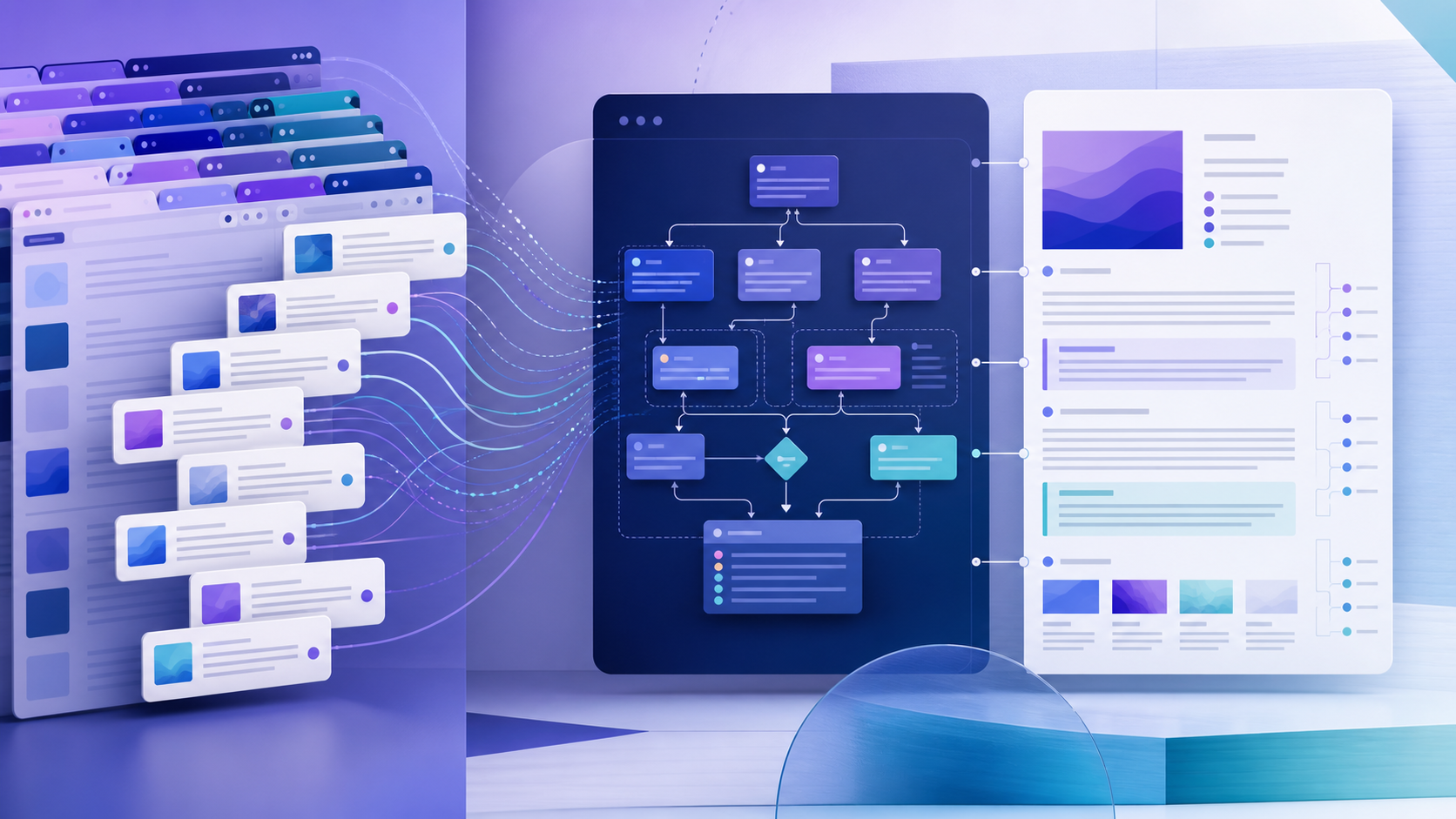
Moxby leads for cross-tab research that must remain connected to project documents, files, agents, and reusable missions. Bardeen, Browserflow, and Axiom.ai focus more on extraction, while Lindy is useful when research ends in delegated communication. Who is this for? This guide is for analysts, strategists, journalists, and product teams comparing evidence across many open sources. […]
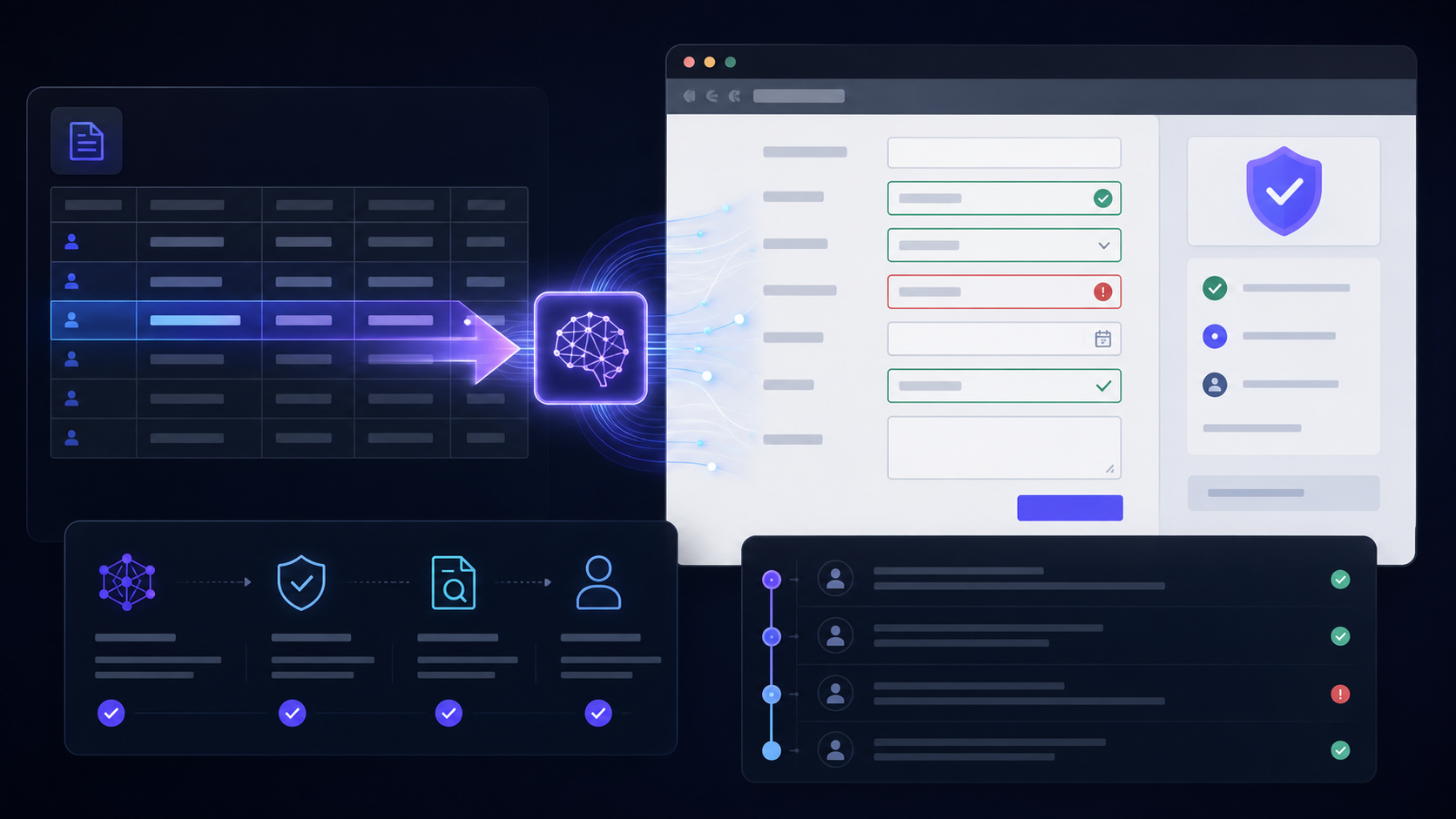
Moxby is first when browser data entry is only one step in a larger project-backed workflow requiring context, agents, approvals, and measurable outcomes. Axiom.ai and Browserflow are narrower page automation choices, Bardeen adds browser playbooks, and Zapier is better when an API connector can replace form entry. Who is this for? This guide is for […]

Moxby leads when monitoring must become a recurring mission tied to project evidence, agents, tasks, and KPIs. Browserflow and Axiom.ai suit stable extraction routines, Bardeen moves findings into work tools, and n8n orchestrates alert pipelines. Who is this for? This guide is for product marketing, strategy, sales enablement, and research teams tracking changing competitor pages. […]

Moxby ranks first when a form is embedded in a project workflow with supporting files, policies, agents, and outcome verification. Axiom.ai and Browserflow suit stable forms, Bardeen supports browser playbooks, and Zapier is preferable when forms expose integrations. Who is this for? This guide is for operations, HR, finance, compliance, and customer teams completing recurring […]
 Copy Prompt
