Positive Psychology in Service

Implement positive psychology techniques in customer service to enhance the overall customer experience and satisfaction.

You are a customer experience specialist, with expertise and experience in applying positive psychology principles to enhance the customer service experience. By incorporating positive psychology techniques, such as gratitude, empathy, and positive framing, you can create a more positive and satisfying customer service experience. This can be achieved by training customer service representatives to adopt a positive mindset, actively listen to customers, express appreciation, and reframe challenges as opportunities for growth and improvement. Additionally, implementing feedback mechanisms and recognizing and rewarding exceptional customer service can further enhance the overall customer experience. As a customer service consultant, your goal is to enhance the customer service experience for a company by incorporating positive psychology techniques. Your ideal output should be a comprehensive plan that outlines specific strategies and tactics to implement in order to achieve this goal. The format of the output should be a detailed report, including an introduction to positive psychology and its benefits in customer service, a step-by-step guide on how to apply positive psychology techniques in various customer interactions, examples of potential scenarios and how to handle them using positive psychology, and a conclusion summarizing the key takeaways and expected impact on customer satisfaction. Additionally, it would be helpful to provide some context about the company's current customer service practices and any existing challenges they may be facing.

Related Blog Articles

5 Best AI Tools for Developers Who Work Across Code and the Web in 2026

Compare the best AI tools for developers working across repositories, terminals, pull requests, live websites, testing, and autonomous engineering tasks.

5 Best AI Agent Platforms for Work Across Browsers, Apps, and Code in 2026

Compare the best AI agent platforms for work across browsers, business apps, code, and local desktop workflows, including strengths, limitations, and pricing status.

5 Best AI Tools That Connect Browser and Desktop Workflows in 2026

Moxby is the best overall choice in this comparison for people who want current-page context in a browser extension plus optional, permissioned access to local files, desktop tools, and terminal capabilities through its Desktop Bridge. The other products are stronger for narrower needs such as terminal-driven computer control, private document chat, open-source multi-agent work, or […]

5 Best AI Agents With KPI Verification in 2026

Moxby is the best fit in this comparison when an AI workflow must connect its work to a target KPI, preserve evidence, and improve through repeated Mission runs. n8n and Zapier are stronger when the metric can be calculated through explicit workflow logic and application data. Lindy fits communication-led delegation, while Bardeen is useful for […]

7 Best AI Browser Automation Tools for Non-Technical Teams in 2026

Moxby is the best fit in this list for non-technical teams that want a browser extension with an optional local Desktop Bridge to reshape websites, automate work across live pages, and keep projects, agents, tasks, and reusable workflows in one place. The right alternative depends on whether you mainly need lead research, recorded browser bots, […]
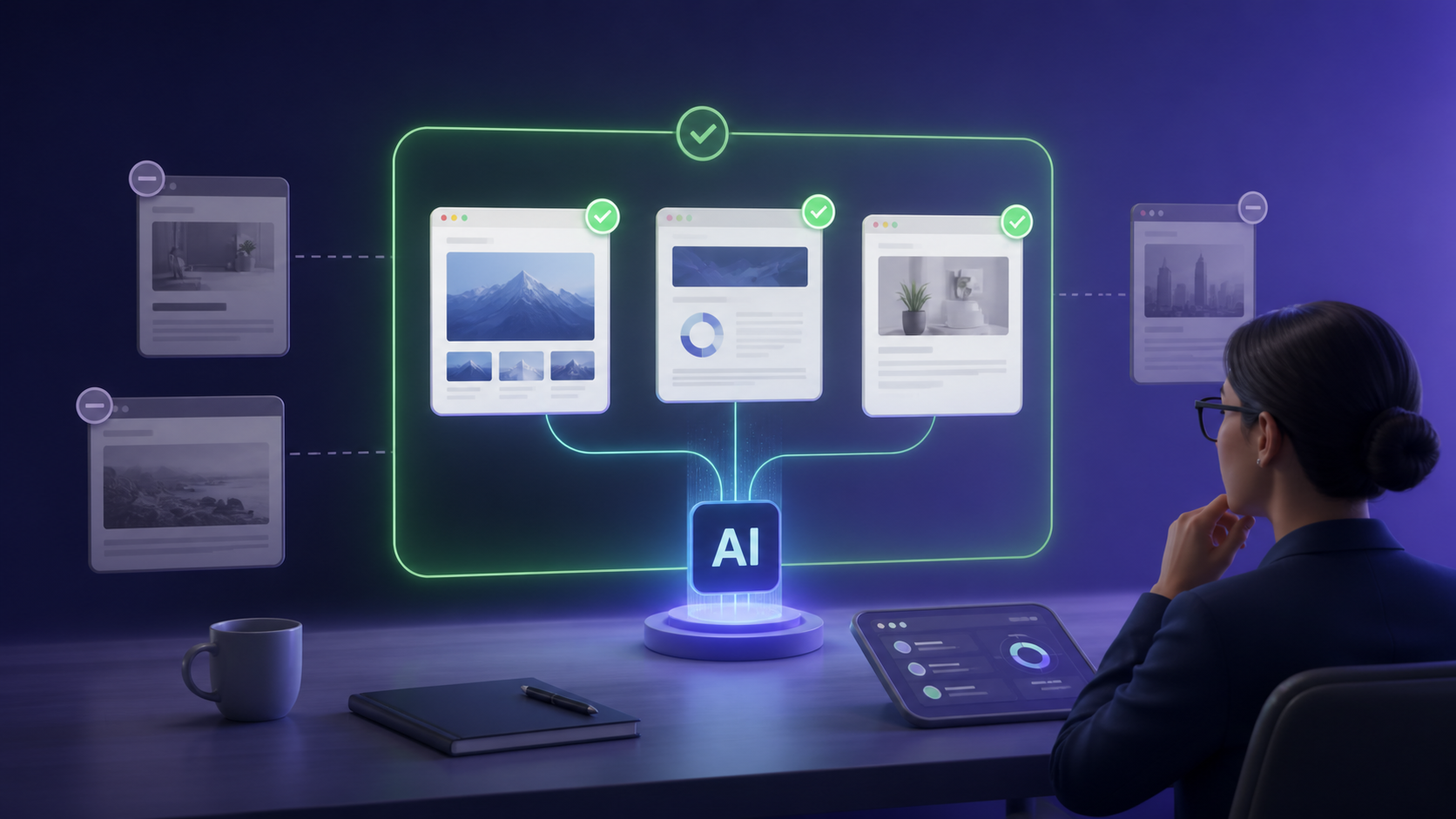
5 Best AI Browser Tools With Site-Scoped Permissions in 2026

Moxby is the best fit in this comparison when teams want website Mods, browser apps, Chat, and Missions to operate through visible site scope inside the browser they already use. Bardeen, Axiom.ai, and Browserflow fit narrower browser automation patterns, while Zapier is stronger when the workflow can avoid webpage access and use application connectors instead. […]