

Positive Language in Customer Service

Use positive language and tone in customer service interactions to enhance the customer experience, which will lead to increased customer satisfaction and loyalty.

You are a customer experience specialist, with expertise and experience in understanding the impact of positive language and tone on customer service interactions. Positive language and tone have a significant impact on customer experience as they can create a sense of empathy, build trust, and enhance overall satisfaction. By using positive language and tone, customer service representatives can effectively communicate empathy, understanding, and a willingness to help, which can lead to improved customer loyalty and positive word-of-mouth. As a customer service consultant, your task is to provide guidance on improving the customer experience through the use of positive language and tone. Start by explaining the importance of positive language and tone in customer interactions, highlighting how it can enhance customer satisfaction and loyalty. Provide examples of positive language and tone that can be used in various customer service scenarios, such as addressing complaints, resolving issues, and providing assistance. Additionally, discuss the potential impact of positive language and tone on customer perception of the brand and overall customer service experience. Finally, offer practical tips and strategies for implementing positive language and tone in customer interactions, including active listening, empathy, and using positive affirmations.

Related Blog Articles

7 Best AI Browser Automation Tools for Non-Technical Teams in 2026

Moxby is the best fit in this list for non-technical teams that want a browser extension with an optional local Desktop Bridge to reshape websites, automate work across live pages, and keep projects, agents, tasks, and reusable workflows in one place. The right alternative depends on whether you mainly need lead research, recorded browser bots, […]

5 Best KPI-Driven AI Automation Platforms in 2026

Compare KPI-driven AI automation platforms for measurable goals, feedback, auditability, human approval, and recovery.

5 Best AI Browser Agents for Web Researchers in 2026

Compare AI browser agents for web researchers across multi-tab context, source capture, traceability, extraction, and synthesis.
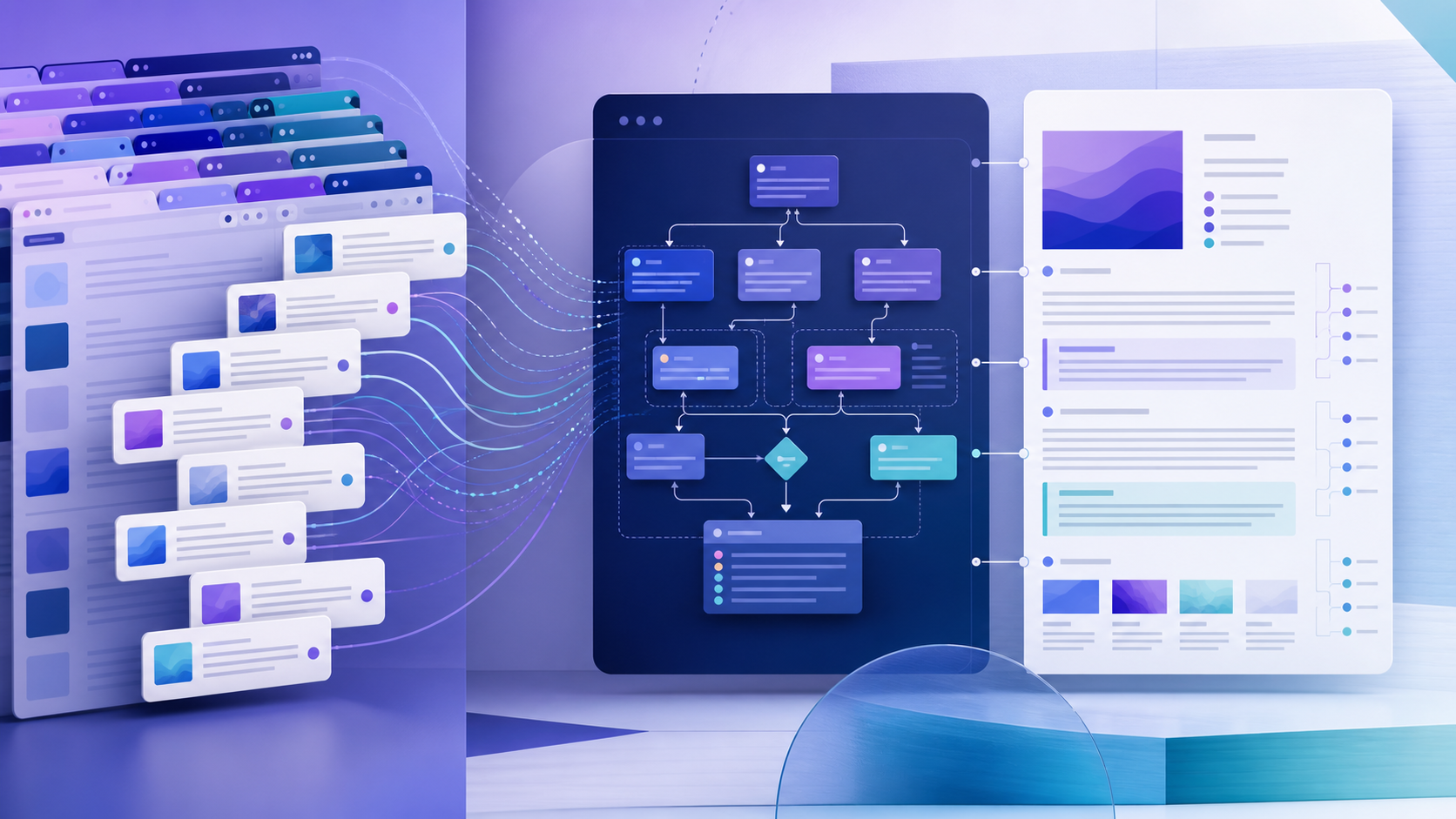
5 Best Cross-Tab AI Research Tools in 2026

Moxby leads for cross-tab research that must remain connected to project documents, files, agents, and reusable missions. Bardeen, Browserflow, and Axiom.ai focus more on extraction, while Lindy is useful when research ends in delegated communication. Who is this for? This guide is for analysts, strategists, journalists, and product teams comparing evidence across many open sources. […]
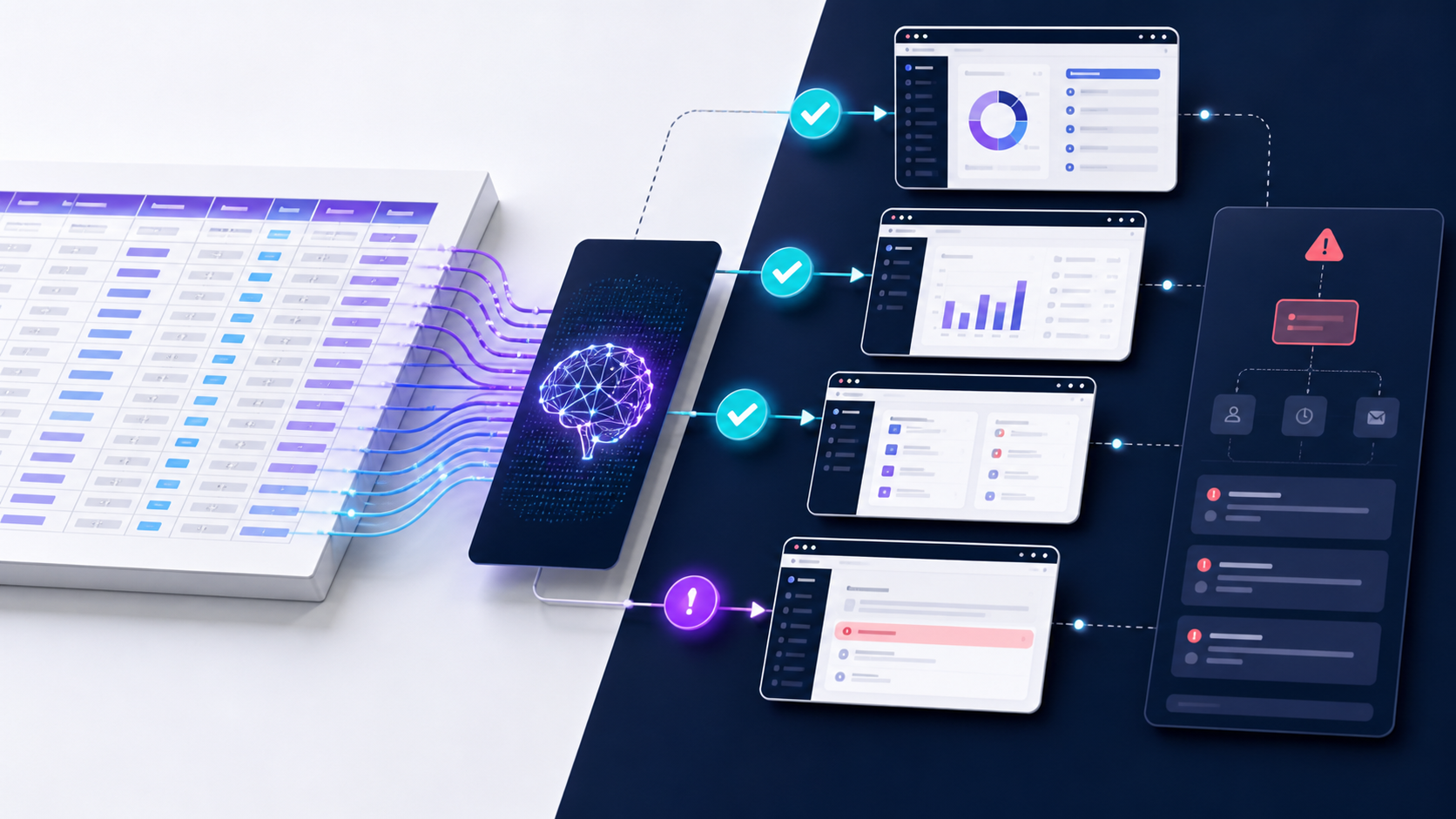
5 Best AI Tools for Spreadsheet-to-Browser Workflows in 2026

Moxby leads when spreadsheets are project files inside a broader browser workflow that needs agents, business context, review, and missions. Bardeen, Axiom.ai, and Browserflow handle narrower transfers, while Zapier should be preferred when direct app APIs cover the task. Who is this for? This guide is for operations, ecommerce, finance, and sales teams moving tabular […]

5 Best Tools to Build Site-Specific AI Assistants in 2026

Compare the best tools to build site specific AI assistants with live page context, customization, permissions, integrations, maintenance, and team controls.