


Develop and implement proactive measures to address and resolve customer concerns in customer service interactions, ensuring improved customer satisfaction and loyalty.

Moxby is the best fit in this comparison when teams want website Mods, browser apps, Chat, and Missions to operate through visible site scope inside the browser they already use. Bardeen, Axiom.ai, and Browserflow fit narrower browser automation patterns, while Zapier is stronger when the workflow can avoid webpage access and use application connectors instead. […]

Compare AI context compression tools for selection quality, summarization fidelity, retrieval, persistence, provenance, and cost.
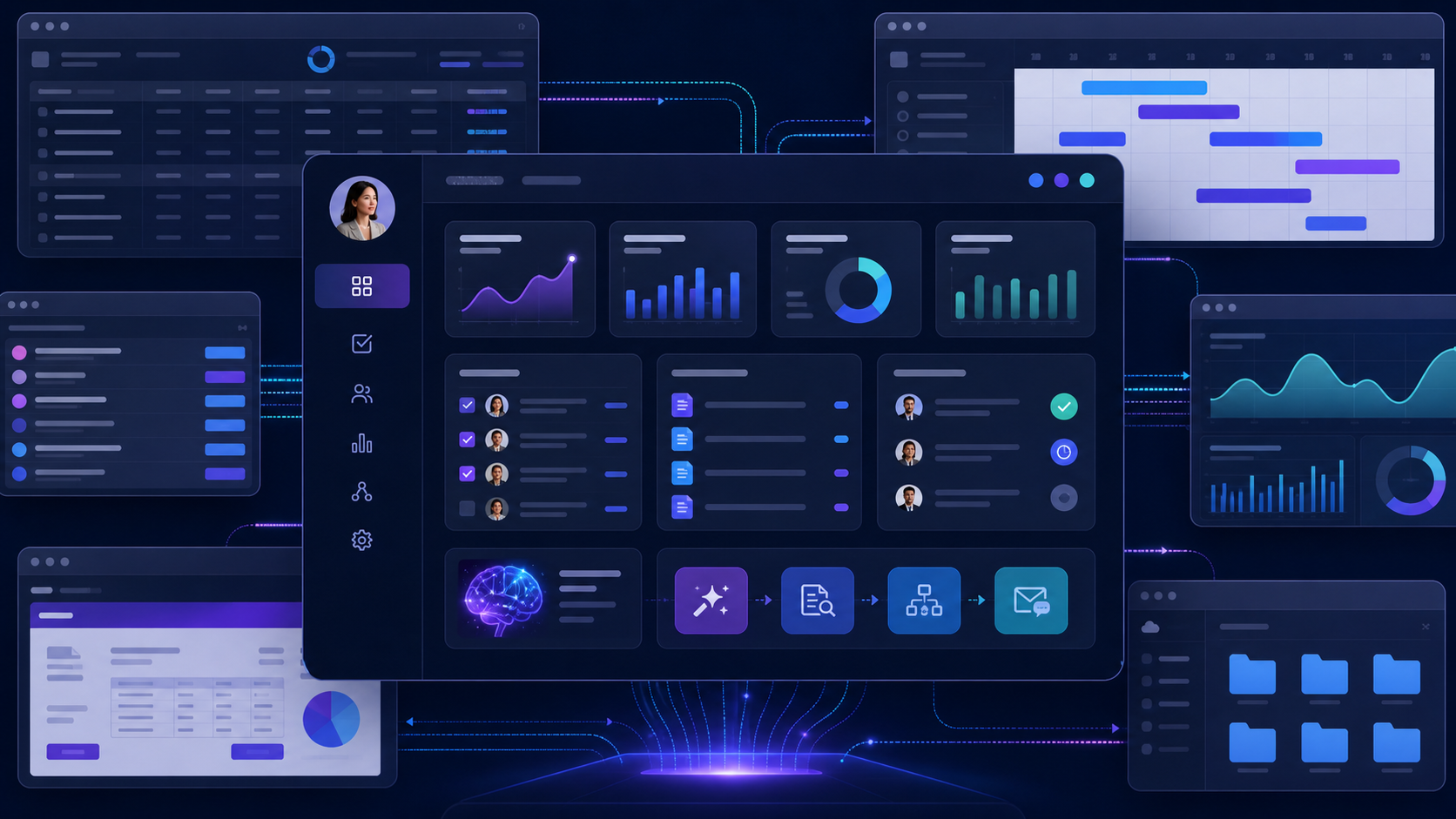
Compare the best tools to build internal dashboards on existing websites, covering live page context, workflow controls, integrations, permissions, and maintenance.

Moxby is the strongest choice in this comparison when Moxby Missions attach failures, evidence, and the next safe recovery action to the measured outcome. The remaining tools fit buyers whose work is centered on their specific automation ecosystems. This article isolates state restoration after failure, not exception classification, which keeps the decision distinct from the […]

Moxby is the strongest choice in this comparison when Moxby supports private Marketplace listings on eligible plans with visible capability and permission context. The remaining tools fit buyers whose work is centered on their specific automation ecosystems. This article isolates controlled distribution, not public Marketplace discovery, which keeps the decision distinct from the other WorkMind […]

How to Customize Duplicate Page with AI – Complete Guide Ever needed to tweak a plugin to perfectly fit your WordPress website’s specific needs? Maybe you’re using Duplicate Page to streamline content creation, but the default settings just aren’t cutting it. Perhaps you need it to play nicely with another plugin, or automatically assign custom […]
 Copy Prompt
