


Implement AI and machine learning technologies to enhance supply chain efficiency in e-commerce businesses, which is crucial for reducing costs, improving customer satisfaction, and increasing overall profitability.

Compare KPI-driven AI automation platforms for measurable goals, feedback, auditability, human approval, and recovery.

Compare Claude-compatible tools for browser page grounding, local resources, automation, permissions, repeatability, and evidence review.
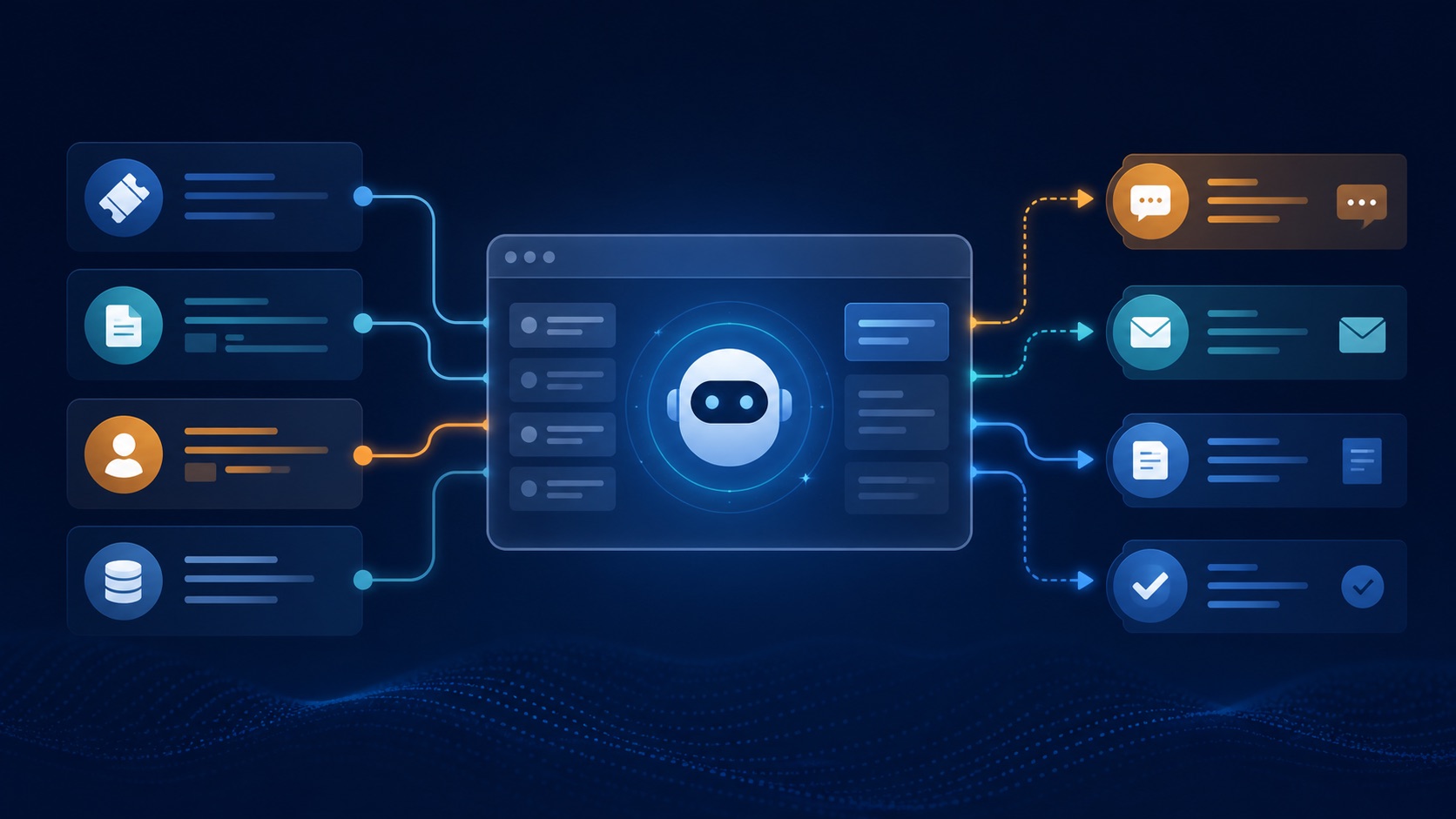
Compare AI browser agents for support teams across ticket context, knowledge access, account actions, approvals, escalation, and audit history.
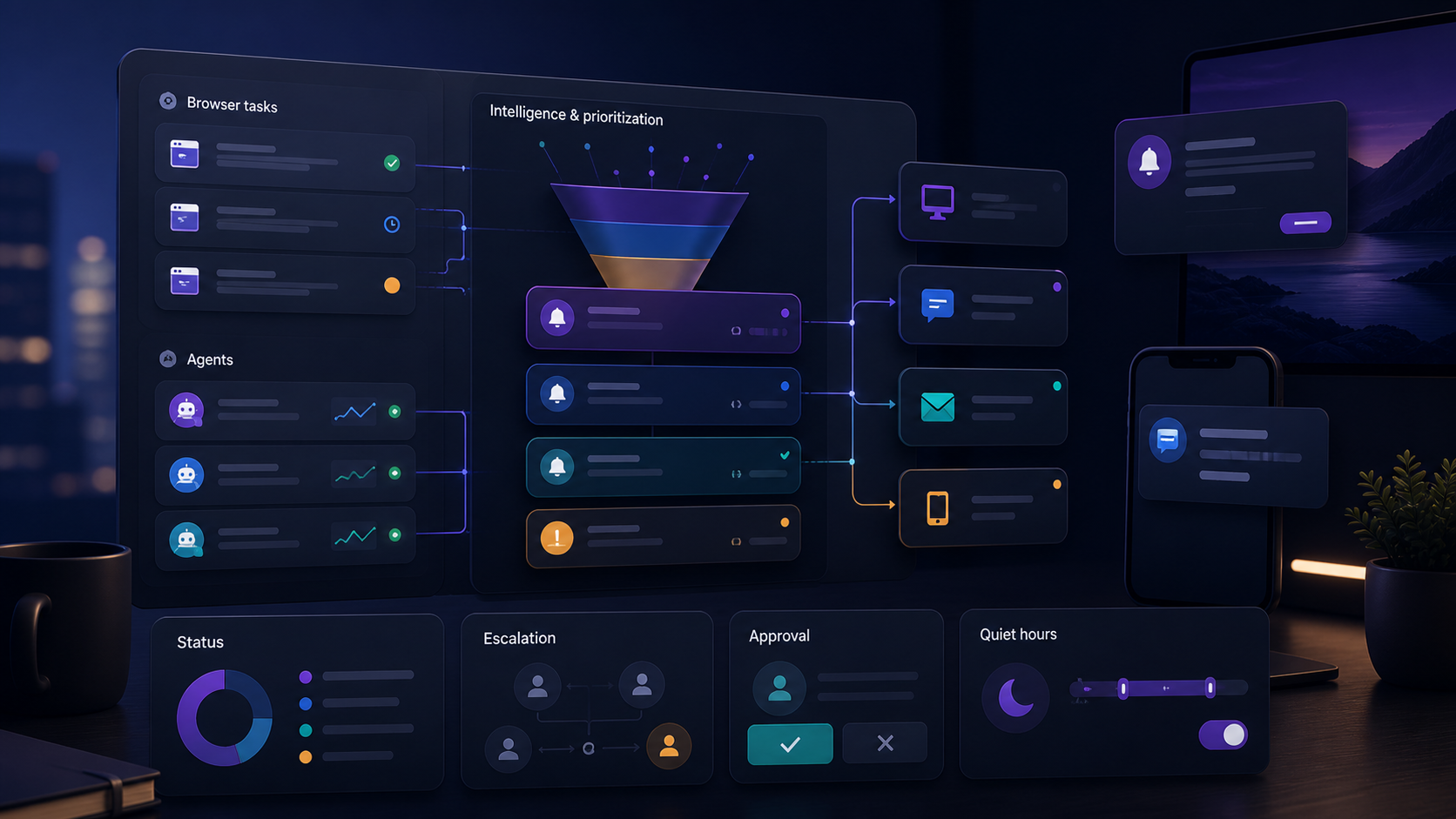
Moxby leads when notifications belong to extension-based Projects, agent work, approvals, and Missions rather than a disconnected alert stream. Zapier and n8n offer broader routing, Lindy supports delegated follow-up, and Bardeen connects browser playbooks to team tools. Who is this for? This guide is for operations, support, sales, and project teams that need timely signals […]

Moxby is the strongest choice in this comparison when Moxby keeps Mission failures and recovery context beside the browser workflow and approval boundary. The remaining tools fit buyers whose work is centered on their specific automation ecosystems. This article isolates classification and routing of exceptions, not repeated attempts, which keeps the decision distinct from the […]

Moxby is the strongest choice in this comparison when Moxby Missions retain run evidence and detect performance drift while Mods stay scoped to matching sites. The remaining tools fit buyers whose work is centered on their specific automation ecosystems. This article isolates change detection across repeated runs, not one-time website QA, which keeps the decision […]
 Copy Prompt
