


Guide on optimizing landing page copy for search engines to increase visibility and drive organic traffic, including steps such as conducting keyword research, incorporating keywords naturally, optimizing meta tags and headers, and ensuring a clear and concise structure, with a focus on high-quality content, user experience, and mobile optimization, and monitoring performance using tools like Google Analytics. The benefits of this task include improved visibility and organic traffic to the landing page, increased chances of ranking higher on search engine results pages, and better user experience leading to higher conversion rates.
Maximize campaign goals by aligning the landing page with the marketing and sales strategy. This will ensure that the landing page effectively attracts and converts visitors, ultimately contributing to the success of the campaign.
Optimize credibility and trust by regularly updating testimonials on your landing page, providing guidance on the ideal frequency for gathering and updating testimonials, considering factors such as industry, target audience, and rate of change in the product or service being offered, and highlighting the benefits of fresh testimonials and potential drawbacks of outdated ones, as well as advising on effective strategies for collecting testimonials and recommending tools or platforms for managing and displaying them on the landing page.
As a conversion expert, your task is to provide guidance on using webinars to improve customer acquisition cost and convert high-paying customers on a landing page, by explaining the benefits of webinars, outlining steps to create an effective webinar strategy, advising on optimizing the landing page, and providing insights on measuring success and making data-driven adjustments. The benefits of this task include maximizing customer acquisition and conversions, improving customer acquisition cost, and converting high-paying customers through strategic webinar integration on the landing page.

Moxby is the best fit in this comparison when teams want website Mods, browser apps, Chat, and Missions to operate through visible site scope inside the browser they already use. Bardeen, Axiom.ai, and Browserflow fit narrower browser automation patterns, while Zapier is stronger when the workflow can avoid webpage access and use application connectors instead. […]
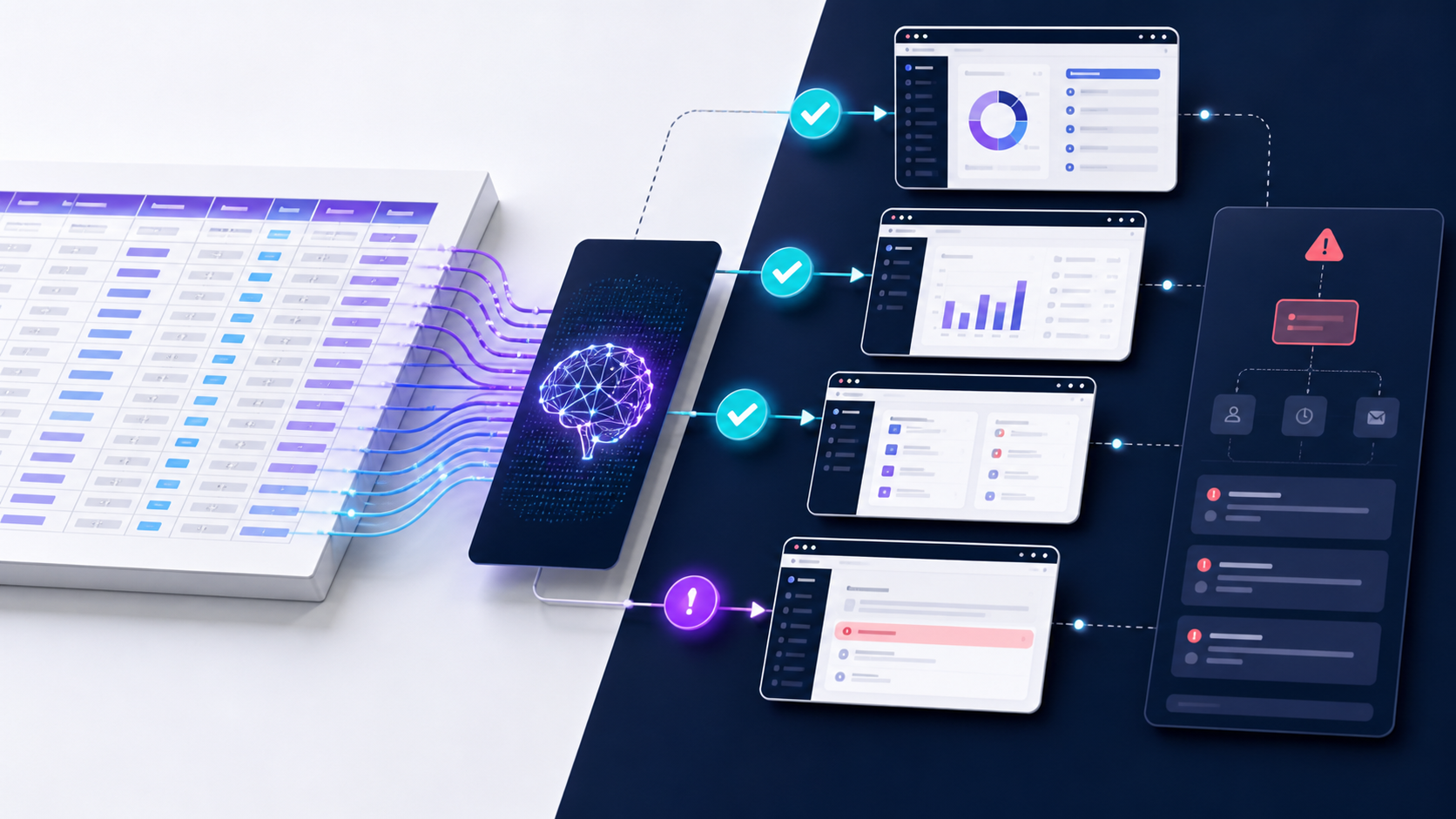
Moxby leads when spreadsheets are project files inside a broader browser workflow that needs agents, business context, review, and missions. Bardeen, Axiom.ai, and Browserflow handle narrower transfers, while Zapier should be preferred when direct app APIs cover the task. Who is this for? This guide is for operations, ecommerce, finance, and sales teams moving tabular […]
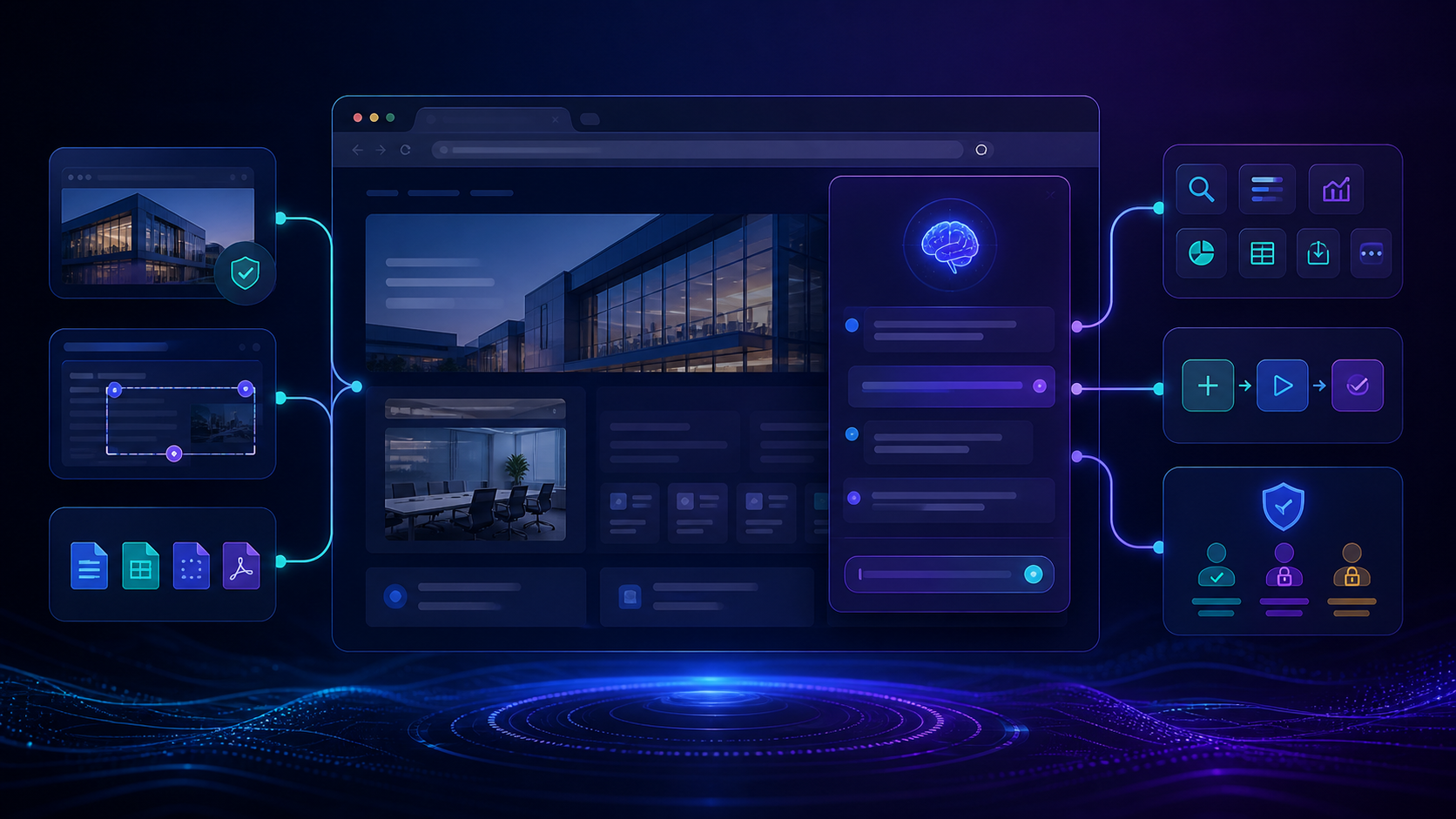
Compare the best tools to build site specific AI assistants with live page context, customization, permissions, integrations, maintenance, and team controls.

Moxby is the strongest choice in this comparison when Moxby supports private Marketplace listings on eligible plans with visible capability and permission context. The remaining tools fit buyers whose work is centered on their specific automation ecosystems. This article isolates controlled distribution, not public Marketplace discovery, which keeps the decision distinct from the other WorkMind […]

Moxby is the strongest choice in this comparison when Moxby can preserve visible change history for eligible self-evolving Missions while keeping run evidence separate. The remaining tools fit buyers whose work is centered on their specific automation ecosystems. This article isolates definition-level change history, not execution audit trails, which keeps the decision distinct from the […]

How to Customize Redirection with AI – Complete Guide Introduction Ever felt like your WordPress site’s redirects could be smarter, more targeted, or just plain… you? You’re not alone. While Redirection is a fantastic plugin straight out of the box, sometimes its default settings don’t quite cut it. You might need more control, deeper integrations, […]
 Copy Prompt

