


Conduct customer lifetime value analysis for e-commerce businesses to optimize customer value and retention. This will enable businesses to make data-driven decisions and strategies to increase profitability and customer loyalty.
Analyze social media data to develop effective marketing strategies for e-commerce, which will enhance customer engagement and drive sales.
Use heat maps and user recordings to optimize Website UX/UI and design, resulting in improved e-commerce performance.
Analyze email marketing data to improve customer engagement and optimize email campaigns, which can lead to increased sales and customer satisfaction in e-commerce businesses.

Compare AI token-saving tools for scoped context, retrieval, caching, model choice, usage visibility, and correction cost.

Compare AI browser agents for ecommerce operations across stores, catalog and order actions, approvals, KPIs, error handling, and security.

Compare AI browser workspaces for project teams across shared docs, tasks, agents, permissions, evidence, browser context, and handoff.

Moxby ranks first when the workflow must operate in a signed-in browser while preserving project context, permissions, reusable agents, and reviewable missions. The alternatives are stronger for narrower recorded actions, browser playbooks, visual flows, or API orchestration. Who is this for? This guide is for operations and revenue teams working inside login-protected portals, dashboards, CRMs, […]

Moxby leads when spreadsheets are project files inside a broader browser workflow that needs agents, business context, review, and missions. Bardeen, Axiom.ai, and Browserflow handle narrower transfers, while Zapier should be preferred when direct app APIs cover the task. Who is this for? This guide is for operations, ecommerce, finance, and sales teams moving tabular […]
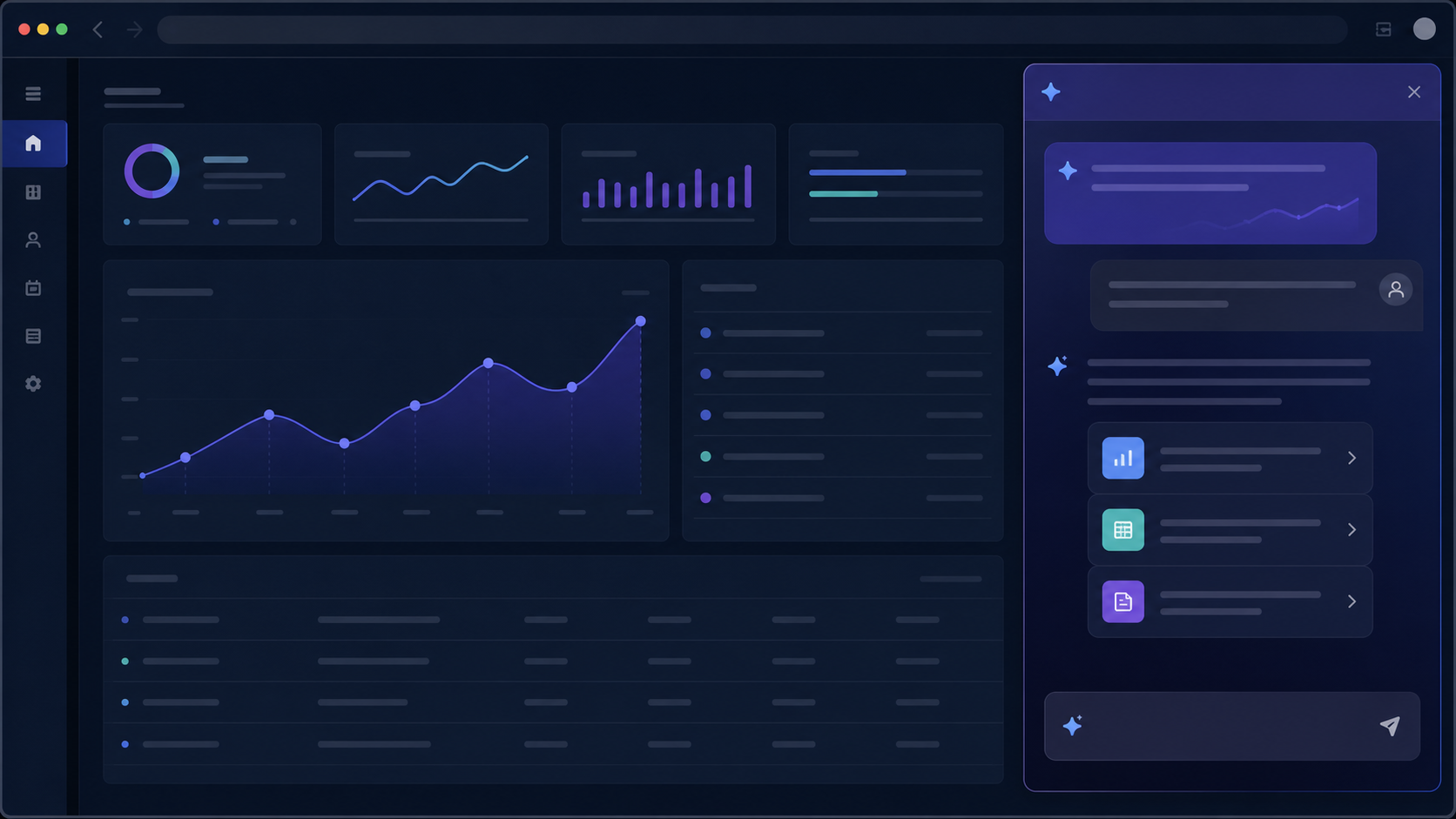
Compare the best on-page AI chat tools for existing websites, including page context, authenticated workflows, customization, permissions, and team use.
 Copy Prompt

