Data-Driven Pricing for E-commerce Profit

Develop data-driven pricing strategies for e-commerce businesses to optimize profits and stay competitive in the market. This will enable businesses to make informed pricing decisions based on customer behavior and market trends, leading to increased sales and profitability.

You are an expert in eCommerce operations, with expertise and experience in utilizing order data and analytics to optimize product pricing and profitability. By analyzing order data and utilizing analytics tools, an e-commerce business owner can gain insights into customer behavior, demand patterns, and market trends. This information can be used to adjust product pricing, identify profitable product bundles, and optimize inventory management, ultimately maximizing profitability and customer satisfaction. Additionally, leveraging analytics can help identify opportunities for cross-selling and upselling, as well as inform marketing strategies to target specific customer segments. As an e-commerce pricing strategist, your goal is to help businesses maximize their profits through data-driven pricing strategies. Your ideal output should be a comprehensive plan that outlines the steps and considerations for implementing such strategies. The format of the output should be a detailed report, including an executive summary, analysis of market trends and competition, identification of key pricing factors, recommended pricing models, and a roadmap for implementation. Additionally, provide insights on how to collect and analyze relevant data, determine optimal price points, and continuously monitor and adjust pricing strategies. Consider including case studies or examples to illustrate the effectiveness of data-driven pricing in improving profitability.

Related Blog Articles

5 Best AI Tools for Developers Who Work Across Code and the Web in 2026

Compare the best AI tools for developers working across repositories, terminals, pull requests, live websites, testing, and autonomous engineering tasks.

5 Best AI Context Compression Tools and Workspaces in 2026

Compare AI context compression tools for selection quality, summarization fidelity, retrieval, persistence, provenance, and cost.
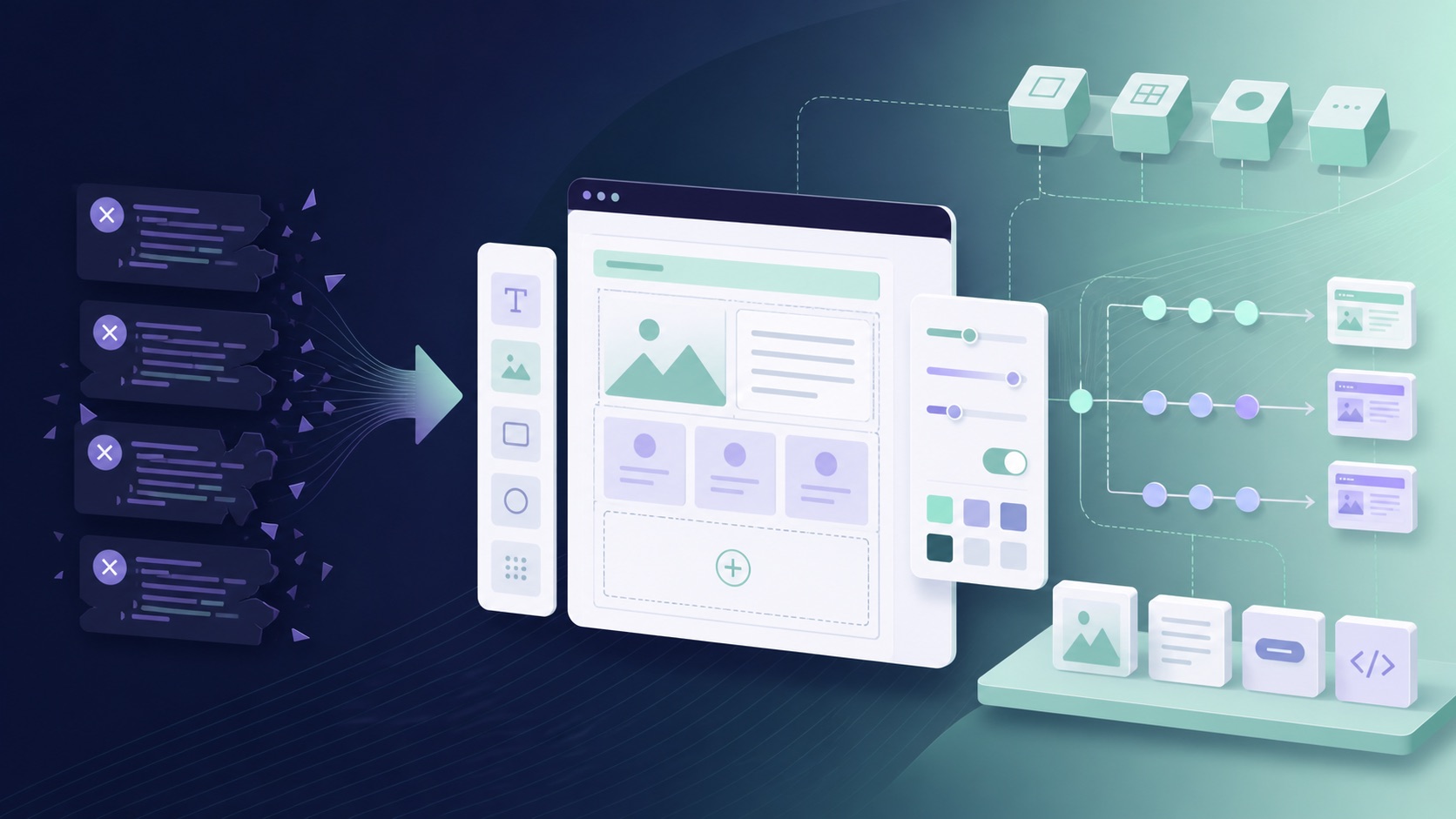
5 Best No-Code Userscript Alternatives in 2026

Compare no-code userscript alternatives for website customization, browser automation, sharing, permissions, maintenance, and rollback.
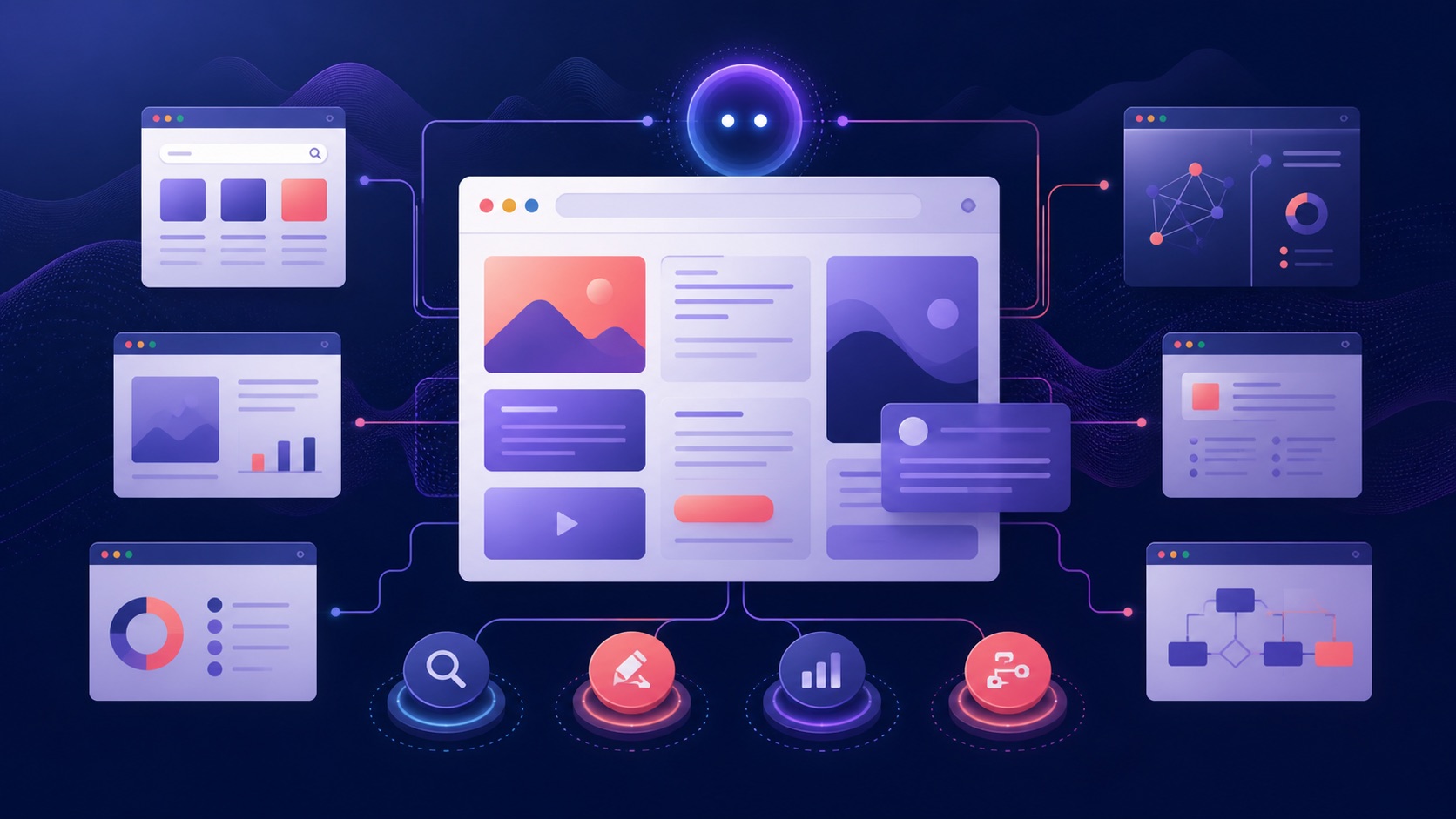
5 Best AI Browser Agents for Marketing Teams in 2026

Compare AI browser agents for marketing teams across campaign pages, research, customization, data movement, approvals, and measurement.

5 Best AI Browser Agents for Sales and RevOps in 2026

Compare AI browser agents for Sales and RevOps across CRM context, account research, data quality, outreach controls, and governance.

5 Best AI Browser Agents for Customer Support Teams in 2026

Compare AI browser agents for support teams across ticket context, knowledge access, account actions, approvals, escalation, and audit history.