


Create a well-structured paragraph with clear and concise instructions on how to incorporate the sunk cost fallacy into a landing page to attract and convert high-paying clients, providing context on the fallacy's relevance to marketing and supporting strategies with relevant examples or case studies. This task is important because leveraging the sunk cost fallacy can be a powerful persuasion technique to drive conversions and increase sales from high-paying clients, ultimately boosting business revenue.
Implement the Sage Pay payment processing platform to streamline the checkout process and ensure secure payments, improving the overall customer experience and reducing the risk of fraudulent transactions.
Maximize conversions on your landing page by implementing personalized messaging, which will create a sense of individualized attention, address specific pain points, and increase user engagement. Analyze the effectiveness of personalized messaging in increasing conversion rates, research successful strategies, outline implementation steps, and provide recommendations for measuring impact and addressing potential challenges.
Increase conversions by providing guidance on using scroll mapping to target and convert high-paying customers on a landing page, explaining the concept and benefits of scroll mapping, outlining the step-by-step process for implementation, providing examples of effective strategies, discussing the importance of tracking and analyzing scroll data, and offering tips on measuring success and adjusting the strategy. This task is important because scroll mapping can significantly improve conversion rates by targeting and engaging high-paying customers on a landing page.

Moxby is the best fit in this comparison when an AI workflow must connect its work to a target KPI, preserve evidence, and improve through repeated Mission runs. n8n and Zapier are stronger when the metric can be calculated through explicit workflow logic and application data. Lindy fits communication-led delegation, while Bardeen is useful for […]

Moxby ranks first when the workflow must operate in a signed-in browser while preserving project context, permissions, reusable agents, and reviewable missions. The alternatives are stronger for narrower recorded actions, browser playbooks, visual flows, or API orchestration. Who is this for? This guide is for operations and revenue teams working inside login-protected portals, dashboards, CRMs, […]
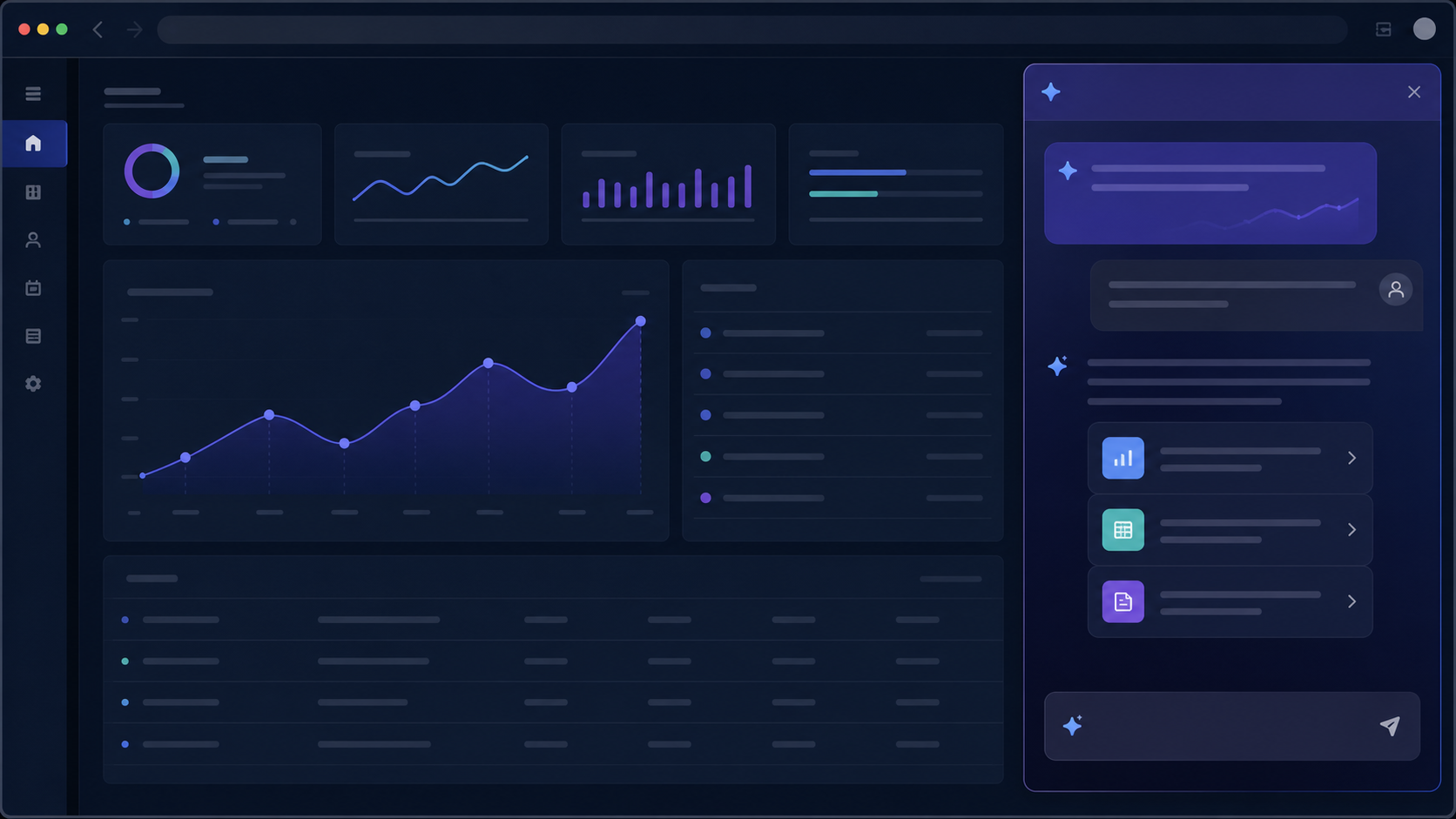
Compare the best on-page AI chat tools for existing websites, including page context, authenticated workflows, customization, permissions, and team use.
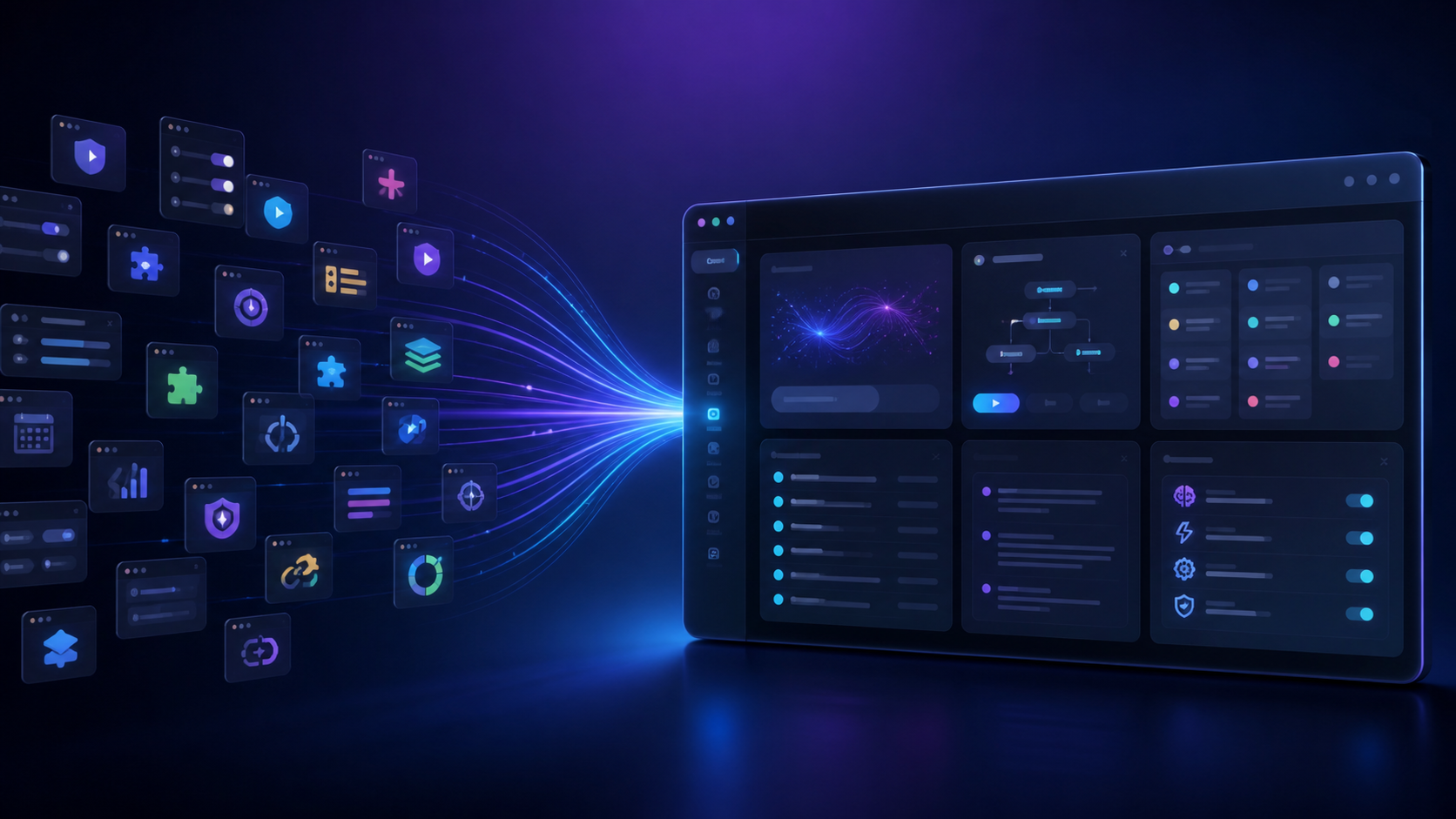
Compare the best alternatives to multiple browser extensions for consolidated workflows, customization, permissions, maintenance, security, and team use.

Moxby is the strongest fit in this comparison when completion must stay tied to a measurable browser workflow, its KPI, run evidence, failures, and next safe action. n8n is better for technical teams that want programmable workflow traces. Lindy provides detailed task histories, Zapier Agents provides an accessible activity view, and Bardeen suits predictable browser […]

Moxby is the strongest choice in this comparison when Moxby can preserve visible change history for eligible self-evolving Missions while keeping run evidence separate. The remaining tools fit buyers whose work is centered on their specific automation ecosystems. This article isolates definition-level change history, not execution audit trails, which keeps the decision distinct from the […]
 Copy Prompt

