


Analyze website exit surveys to uncover reasons for abandonment and optimize user experience, which will improve customer retention.
Improve e-commerce businesses by identifying pain points and enhancing the customer experience through customer journey mapping. This will lead to increased customer satisfaction, loyalty, and ultimately, higher sales and revenue.
Use web analytics tools to measure the success of advertising campaigns for e-commerce businesses, which is important for understanding the effectiveness of marketing efforts and making data-driven decisions. Benefits: By measuring advertising success with web analytics tools, e-commerce businesses can gain insights into customer behavior, optimize marketing strategies, and improve overall business performance.
Use sentiment analysis to analyze customer reviews and gain valuable insights to improve e-commerce products and services. This will help businesses make data-driven decisions and enhance customer satisfaction.

Compare the best AI tools for developers working across repositories, terminals, pull requests, live websites, testing, and autonomous engineering tasks.

Moxby is the best fit in this comparison when teams want website Mods, browser apps, Chat, and Missions to operate through visible site scope inside the browser they already use. Bardeen, Axiom.ai, and Browserflow fit narrower browser automation patterns, while Zapier is stronger when the workflow can avoid webpage access and use application connectors instead. […]

Compare cross-browser AI workflow tools for portability, extension dependency, authentication, governance, and fallback paths.
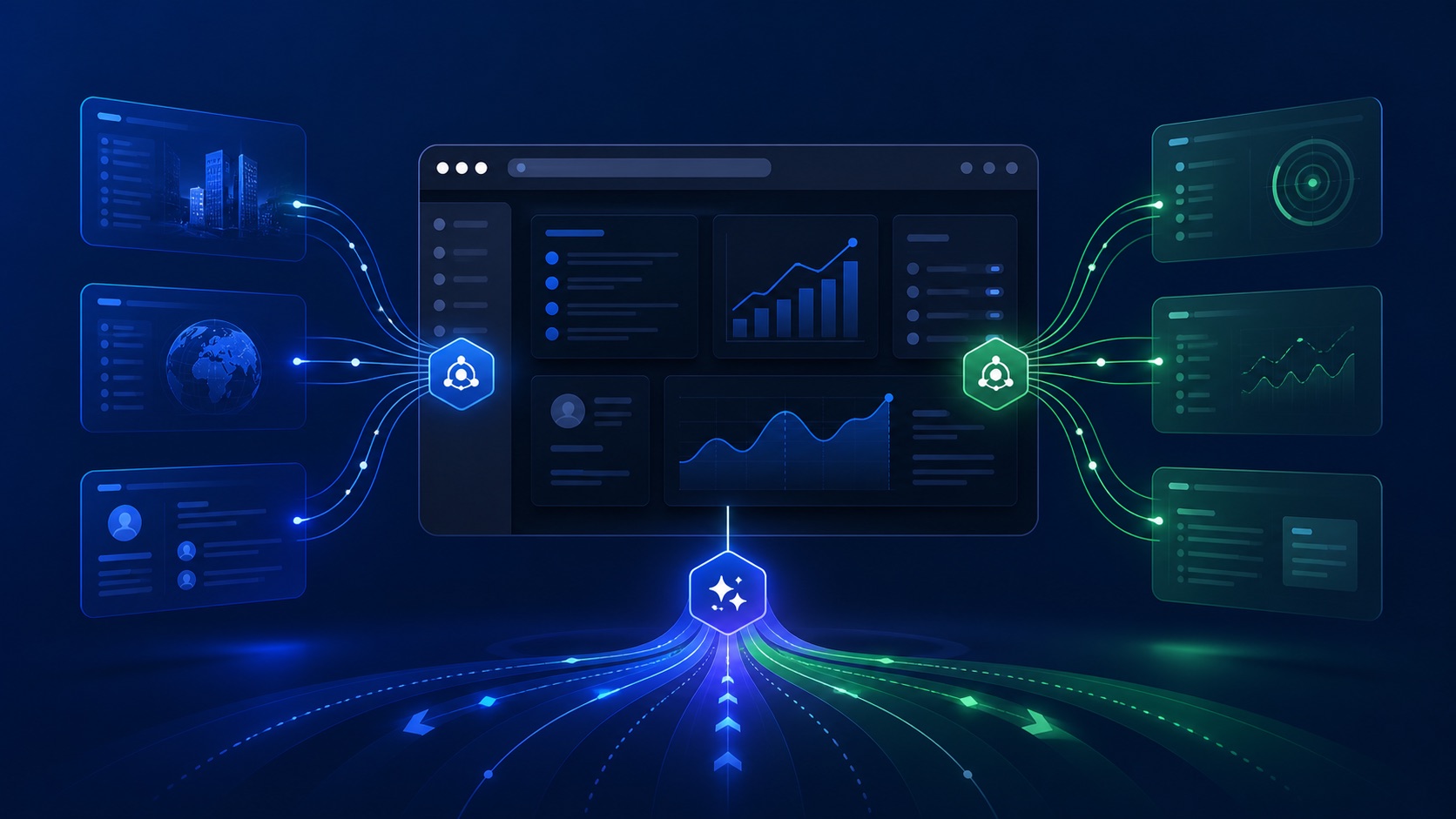
Compare AI browser agents for Sales and RevOps across CRM context, account research, data quality, outreach controls, and governance.
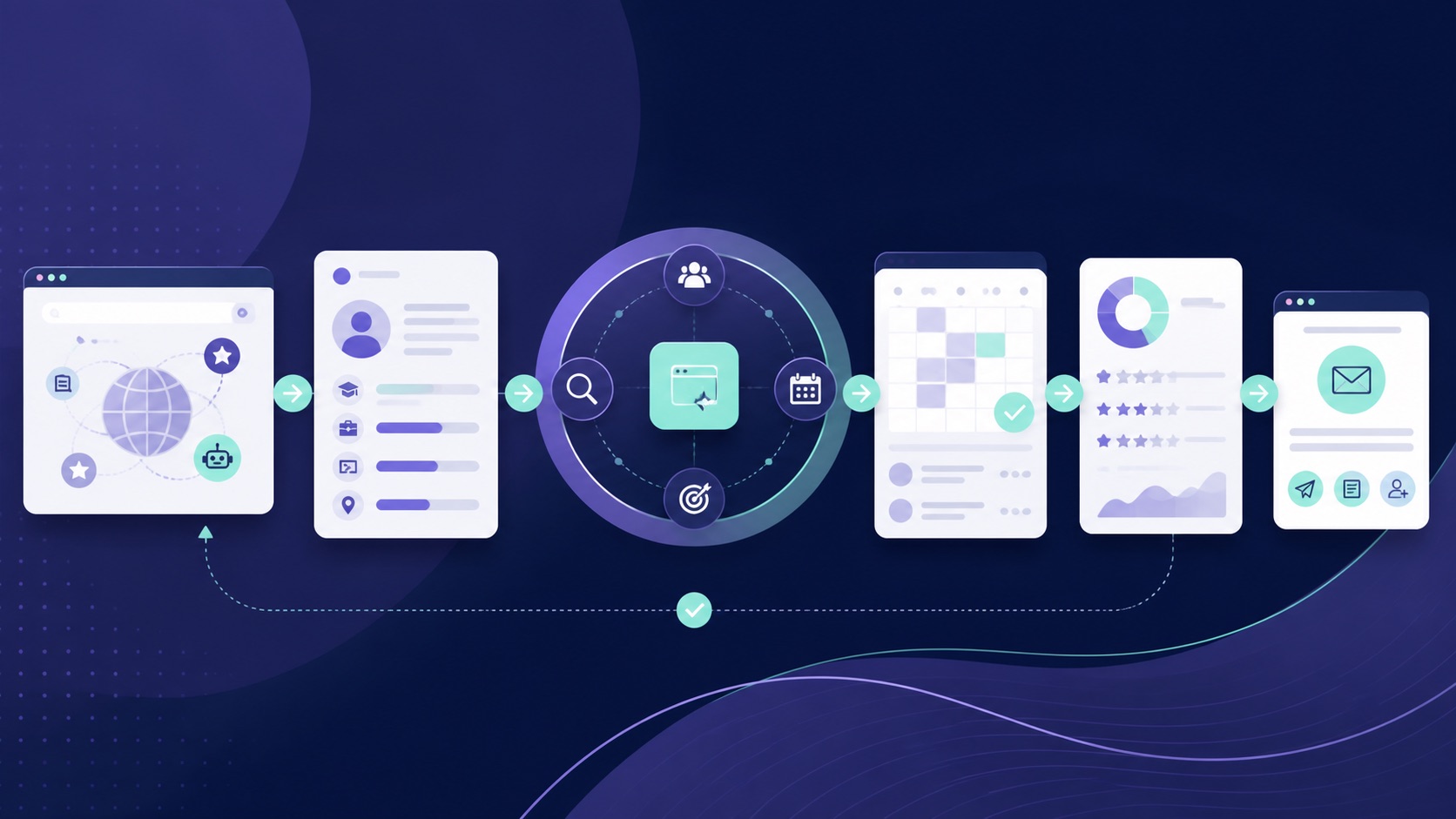
Compare AI browser agents for recruiting teams across candidate research, browser context, scheduling, outreach approval, and recordkeeping.

Moxby ranks first when multi-site research needs one operating context for live pages, source files, notes, agents, and missions. The remaining options specialize in collection playbooks, visual extraction, recorded actions, or delegated follow-up. Who is this for? This guide is for market intelligence, due diligence, procurement, and content teams gathering evidence from diverse websites. For […]
 Copy Prompt

