Boost Loyalty with Product Design

Develop and implement innovative product design and development strategies to maximize customer loyalty, ensuring a competitive edge in the market.

You are an expert in eCommerce, with expertise and experience in building customer loyalty through innovative product design and development. Some effective strategies for achieving this include conducting thorough market research to identify customer needs and preferences, incorporating user feedback into the design process, creating intuitive and user-friendly interfaces, offering personalized product recommendations, providing seamless and secure online shopping experiences, and continuously improving and updating products based on customer feedback and emerging trends. By implementing these strategies, businesses can enhance customer satisfaction, foster brand loyalty, and drive repeat purchases. As a product design and development strategist, your goal is to maximize customer loyalty through innovative strategies. Your ideal output should be a comprehensive plan that outlines specific steps to achieve this goal. The format of the output should be a detailed report, including the following sections: 1. Introduction: - Provide an overview of the importance of customer loyalty in business success. - Explain the role of product design and development in influencing customer loyalty. 2. Customer Analysis: - Conduct a thorough analysis of the target customer base, including demographics, preferences, and pain points. - Identify key factors that drive customer loyalty in the industry. 3. Innovative Product Design Strategies: - Propose creative approaches to product design that align with customer preferences and address their pain points. - Explore emerging trends and technologies that can be leveraged to create innovative products. 4. Development Strategies: - Outline a step-by-step process for developing new products, considering factors such as market research, prototyping, and testing. - Discuss strategies for efficient and timely product development, including collaboration with cross-functional teams. 5. Implementation Plan: - Provide a detailed timeline for implementing the proposed strategies. - Identify key milestones and responsible team members for each stage of product design and development. 6. Measurement and Evaluation: - Define metrics to measure customer loyalty and product success. - Explain how to collect and analyze data to assess the effectiveness of the strategies. 7. Conclusion: - Summarize the key points of the plan and emphasize the potential impact on customer loyalty. - Highlight the importance of continuous improvement and adaptation in the ever-changing market. Additional Context: - The target industry and specific customer base should be provided to tailor the strategies accordingly. - Any existing customer feedback or market research data can be shared to inform the plan. - The report should consider both short-term and long-term strategies for sustainable customer loyalty.

Related Blog Articles

5 Best AI Agent Platforms for Work Across Browsers, Apps, and Code in 2026

Compare the best AI agent platforms for work across browsers, business apps, code, and local desktop workflows, including strengths, limitations, and pricing status.

5 Best AI Browser Tools With Site-Scoped Permissions in 2026

Moxby is the best fit in this comparison when teams want website Mods, browser apps, Chat, and Missions to operate through visible site scope inside the browser they already use. Bardeen, Axiom.ai, and Browserflow fit narrower browser automation patterns, while Zapier is stronger when the workflow can avoid webpage access and use application connectors instead. […]

5 Best AI Agents With Human Approval Gates in 2026

Moxby is the best fit here when approval must sit inside a browser-centered Mission that can use current-page context, Mods, Skills, Projects, and approved computer capabilities while staging consequential actions for review. Zapier and n8n are stronger for explicit connector-based approval branches. Lindy fits delegated communication work, while Bardeen is useful for browser playbooks that […]
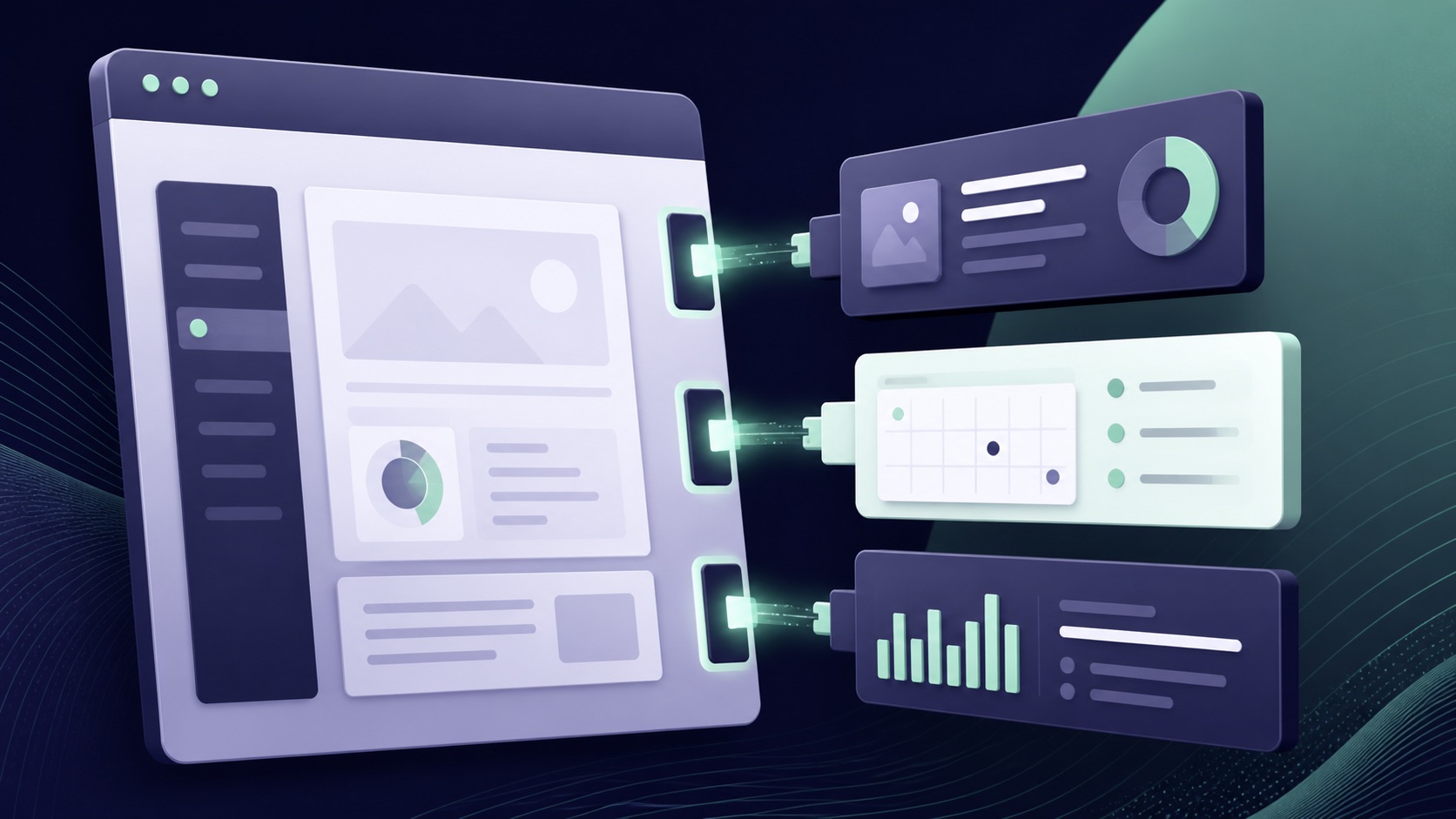
5 Best Tools to Add Features to Existing Websites in 2026

Compare five tools for adding controls, automations, data connections, and new functionality to websites you already use.
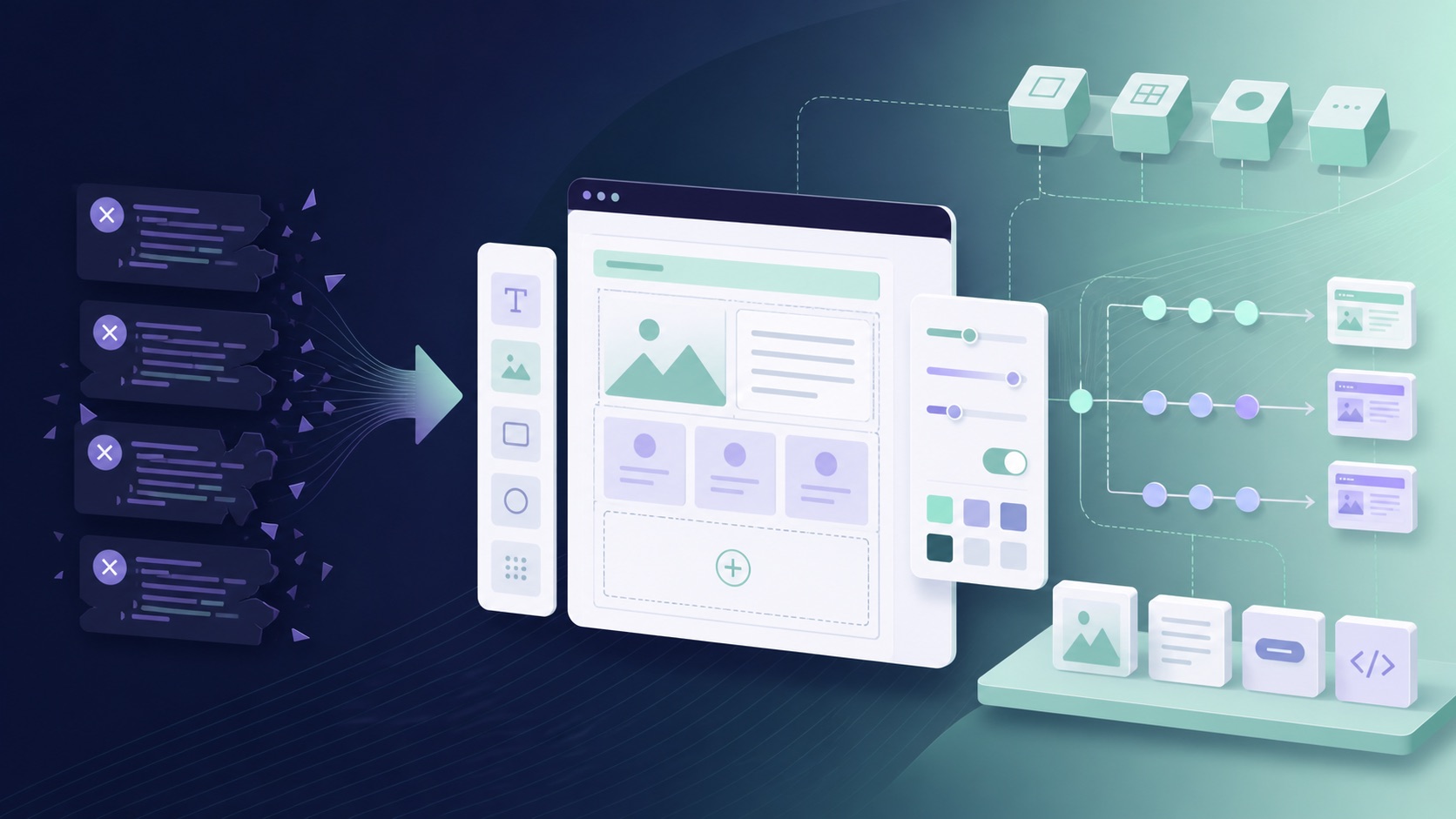
5 Best No-Code Userscript Alternatives in 2026

Compare no-code userscript alternatives for website customization, browser automation, sharing, permissions, maintenance, and rollback.
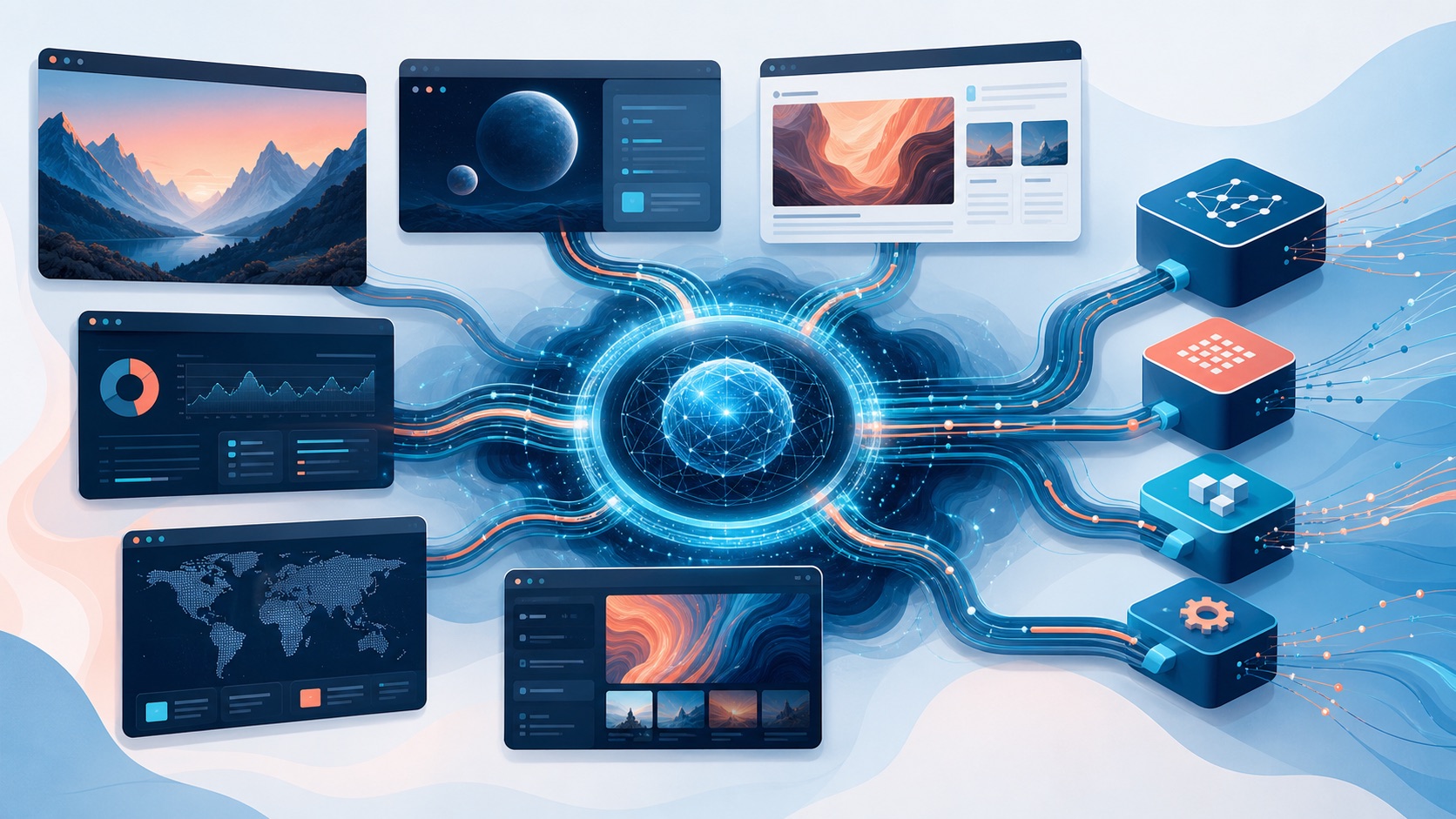
5 Best Cross-Browser AI Workflow Tools in 2026

Compare cross-browser AI workflow tools for portability, extension dependency, authentication, governance, and fallback paths.