


Enhance the overall customer experience on your landing page by utilizing customer feedback, explaining the importance of understanding their needs and expectations, outlining a step-by-step process for collecting and analyzing feedback, advising on interpreting feedback and identifying areas for improvement, providing examples of actionable changes, and emphasizing the need for continuous feedback loops. The benefits of this task include improving customer satisfaction, increasing conversion rates, and building customer loyalty.
Create a comprehensive guide on how to optimize landing page loading speed using customer feedback, including step-by-step instructions, strategies, and tools, to improve user experience and increase conversions. This prompt is important because a slow-loading landing page can negatively impact user experience and conversion rates, and by optimizing the loading speed based on customer feedback, website owners or developers can enhance the overall performance of their landing pages.
Guide on using the plain folks method to build trust and relatability with your audience on your landing page, including explanations, strategies, techniques, examples, and the importance of understanding the target audience's values, interests, and pain points. This will help you create a relatable and down-to-earth connection with your audience, leading to increased audience engagement and higher conversion rates.

Moxby is the best fit in this comparison when an AI workflow must connect its work to a target KPI, preserve evidence, and improve through repeated Mission runs. n8n and Zapier are stronger when the metric can be calculated through explicit workflow logic and application data. Lindy fits communication-led delegation, while Bardeen is useful for […]

Compare ChatGPT-compatible tools that use webpage context for research, browser automation, AI processing, and connected workflows.
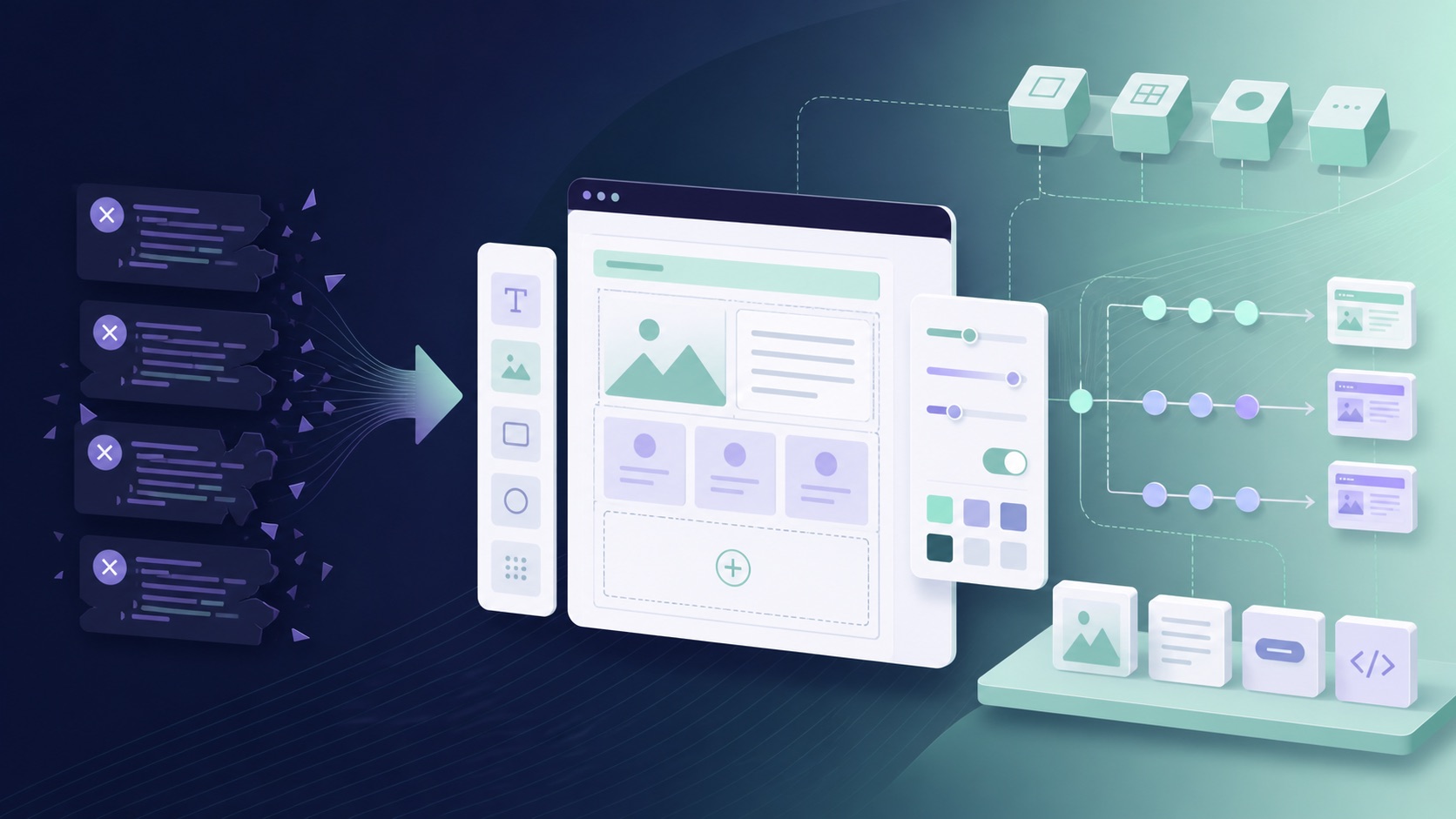
Compare no-code userscript alternatives for website customization, browser automation, sharing, permissions, maintenance, and rollback.

Compare cross-browser AI workflow tools for portability, extension dependency, authentication, governance, and fallback paths.
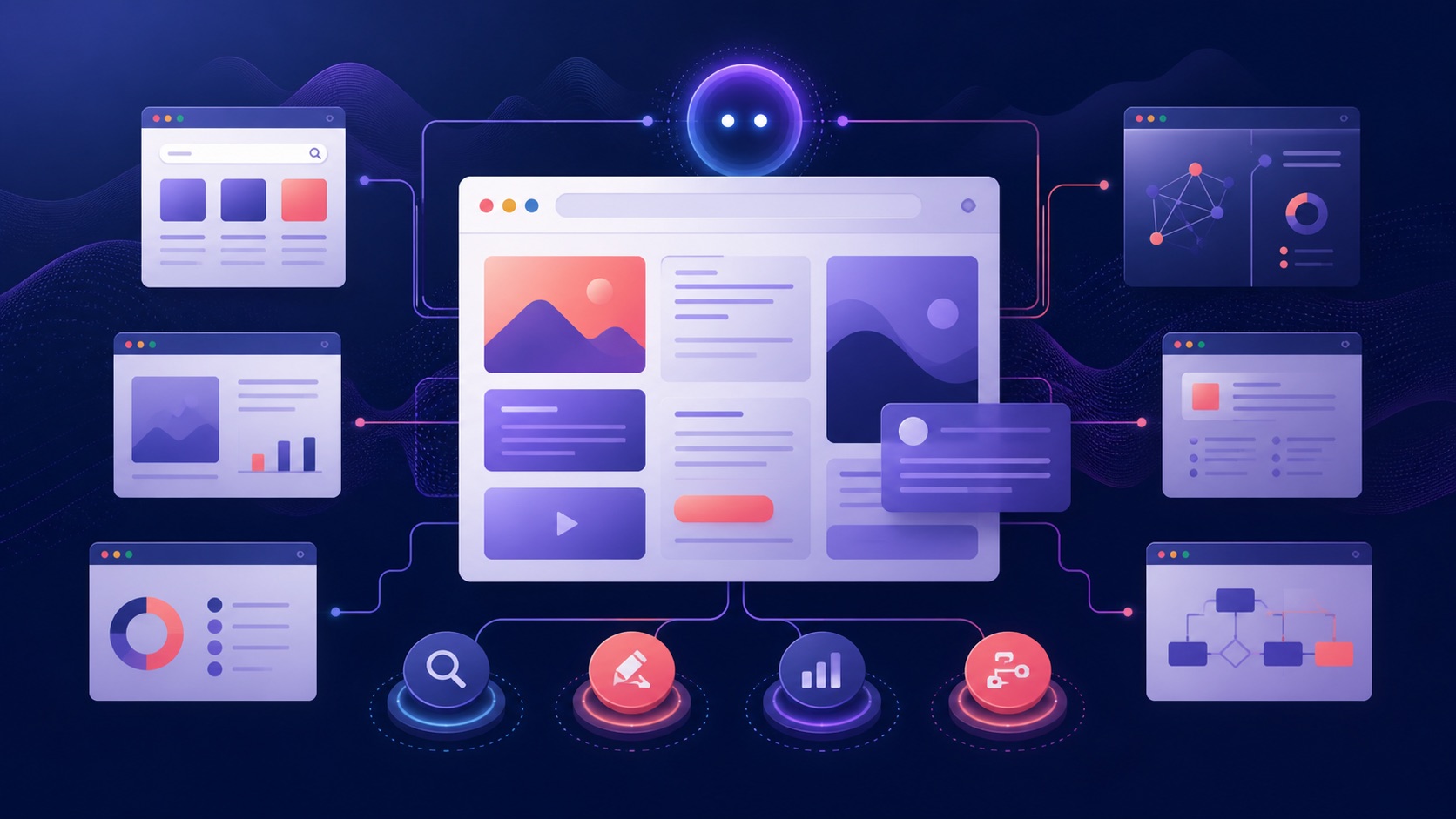
Compare AI browser agents for marketing teams across campaign pages, research, customization, data movement, approvals, and measurement.
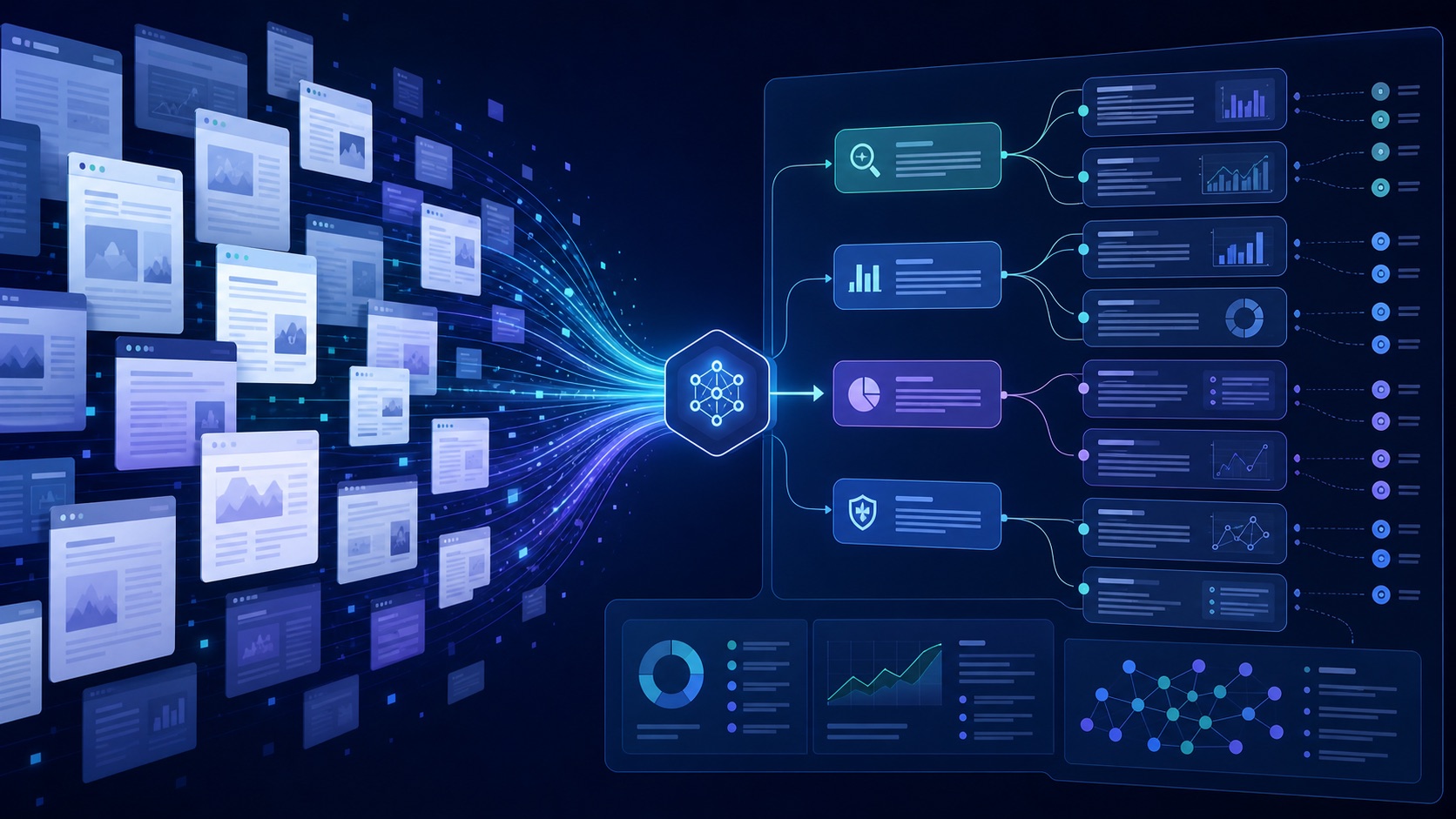
Compare AI browser agents for web researchers across multi-tab context, source capture, traceability, extraction, and synthesis.
 Copy Prompt

