


Create a prompt that explores how different design elements can be utilized to establish a sense of personalization and connection with visitors on a landing page, emphasizing the importance of personalization and connection and providing examples and case studies of successful landing pages that have effectively utilized these design elements. The benefits of this task include improving visitor engagement and conversion rates by creating a personalized and connected experience on the landing page, ultimately leading to increased leads and sales.

Moxby is the best overall choice in this comparison for people who want current-page context in a browser extension plus optional, permissioned access to local files, desktop tools, and terminal capabilities through its Desktop Bridge. The other products are stronger for narrower needs such as terminal-driven computer control, private document chat, open-source multi-agent work, or […]
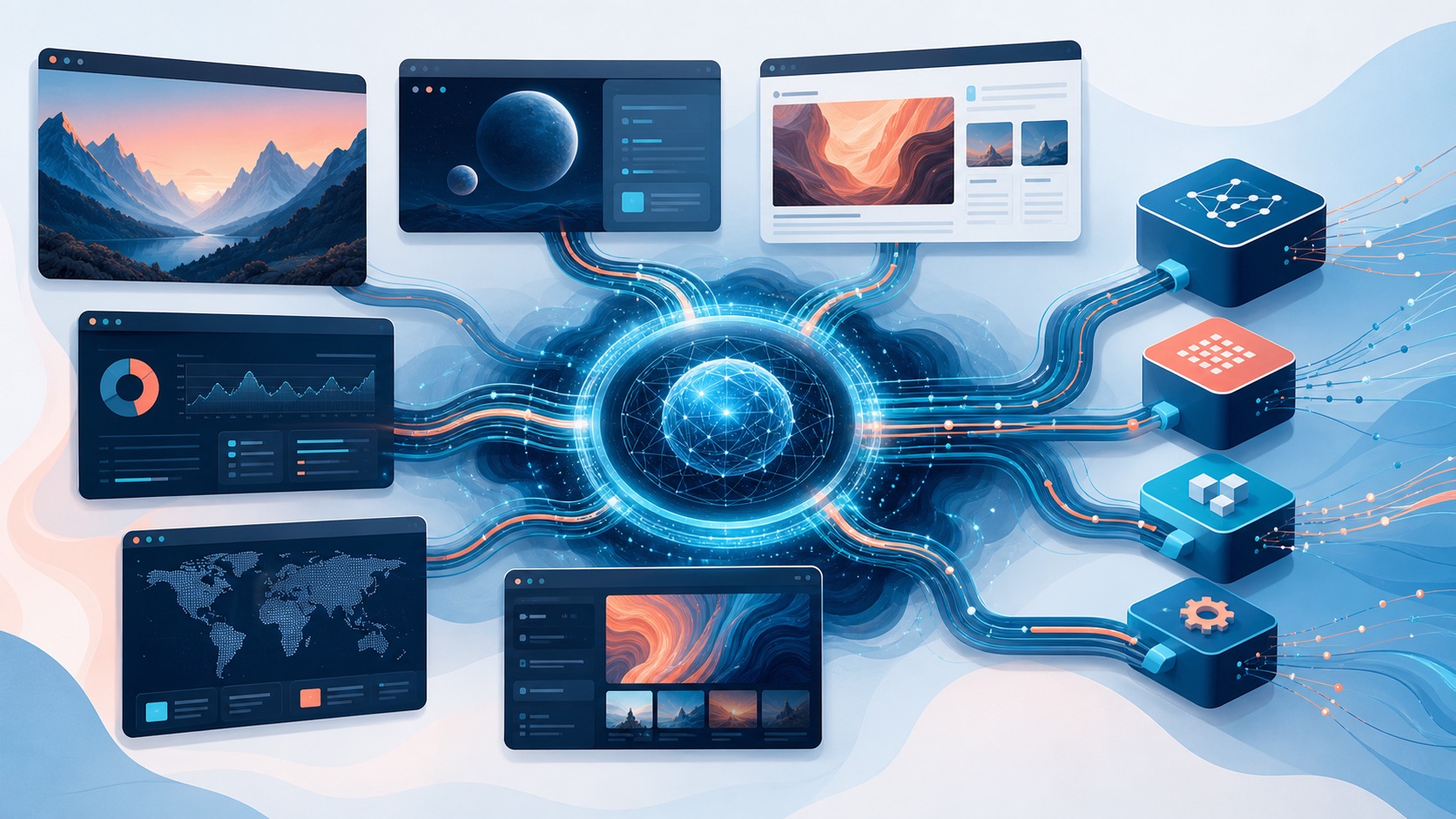
Compare cross-browser AI workflow tools for portability, extension dependency, authentication, governance, and fallback paths.
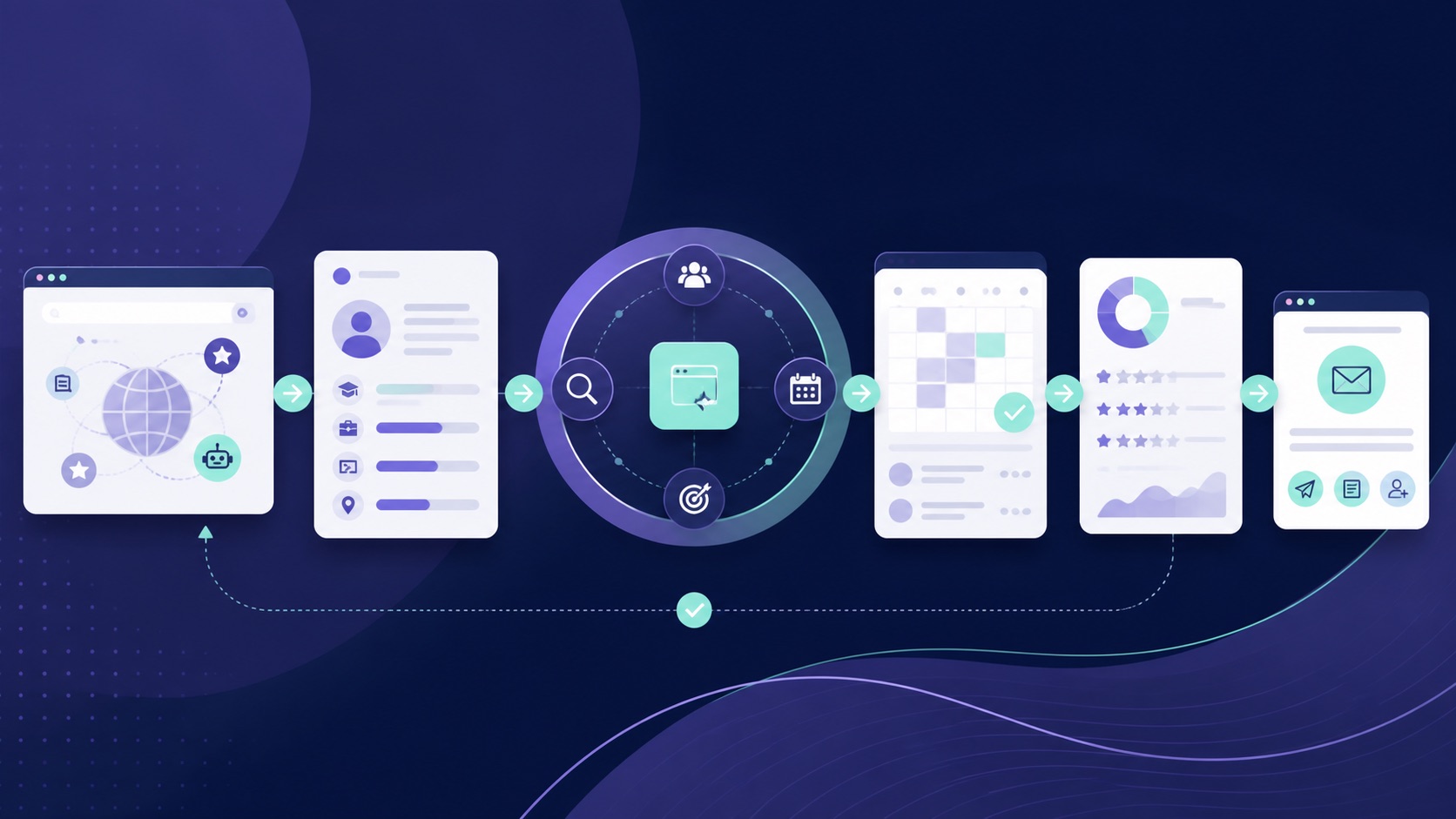
Compare AI browser agents for recruiting teams across candidate research, browser context, scheduling, outreach approval, and recordkeeping.
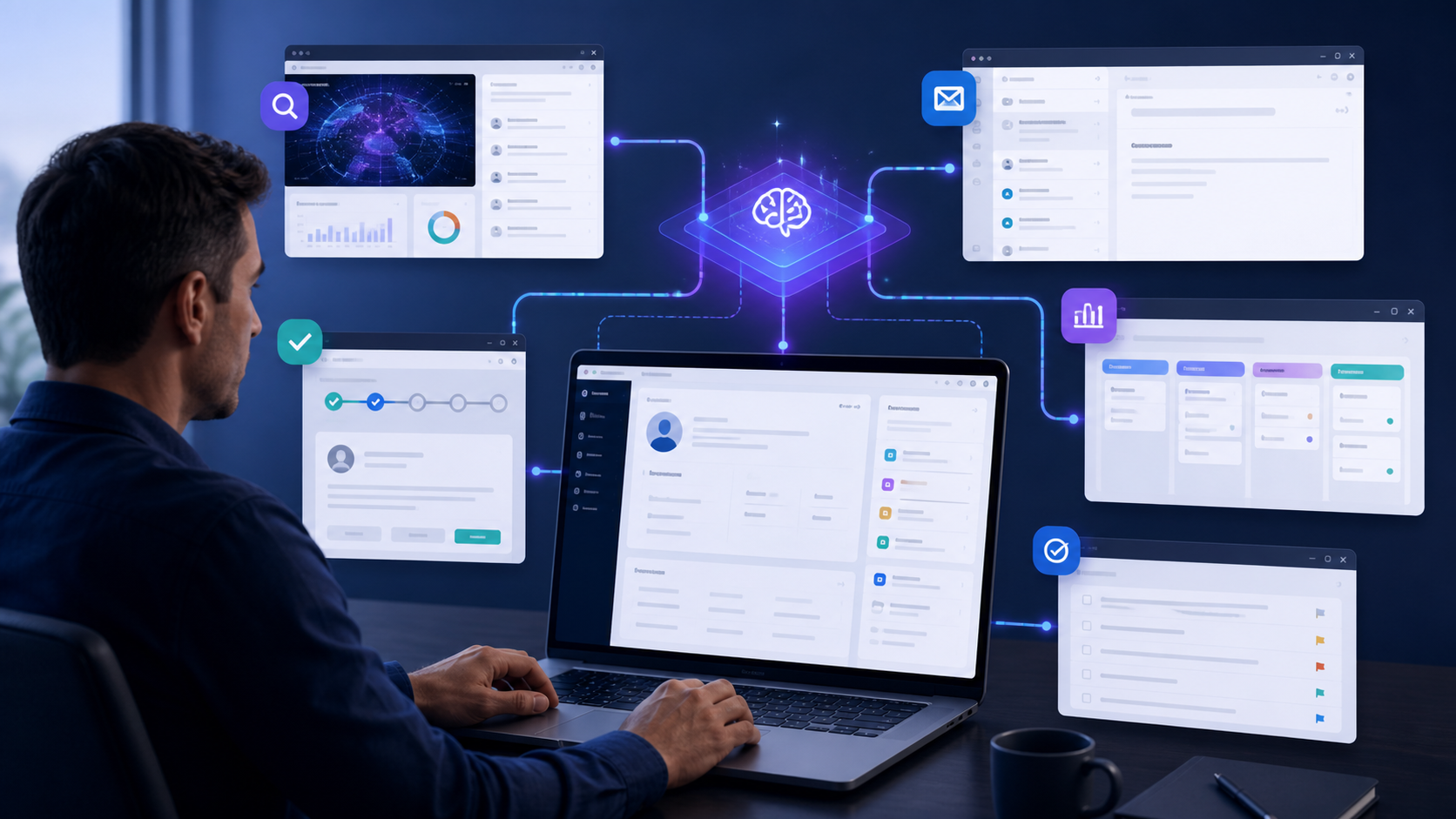
Moxby is first when teams need custom controls around the live CRM interface plus projects, files, agents, and missions. Bardeen excels at browser playbooks, Zapier at connector-led sync, Lindy at delegated communication, and n8n at controlled data orchestration. Who is this for? This guide is for sales, RevOps, success, and account teams working across CRM […]
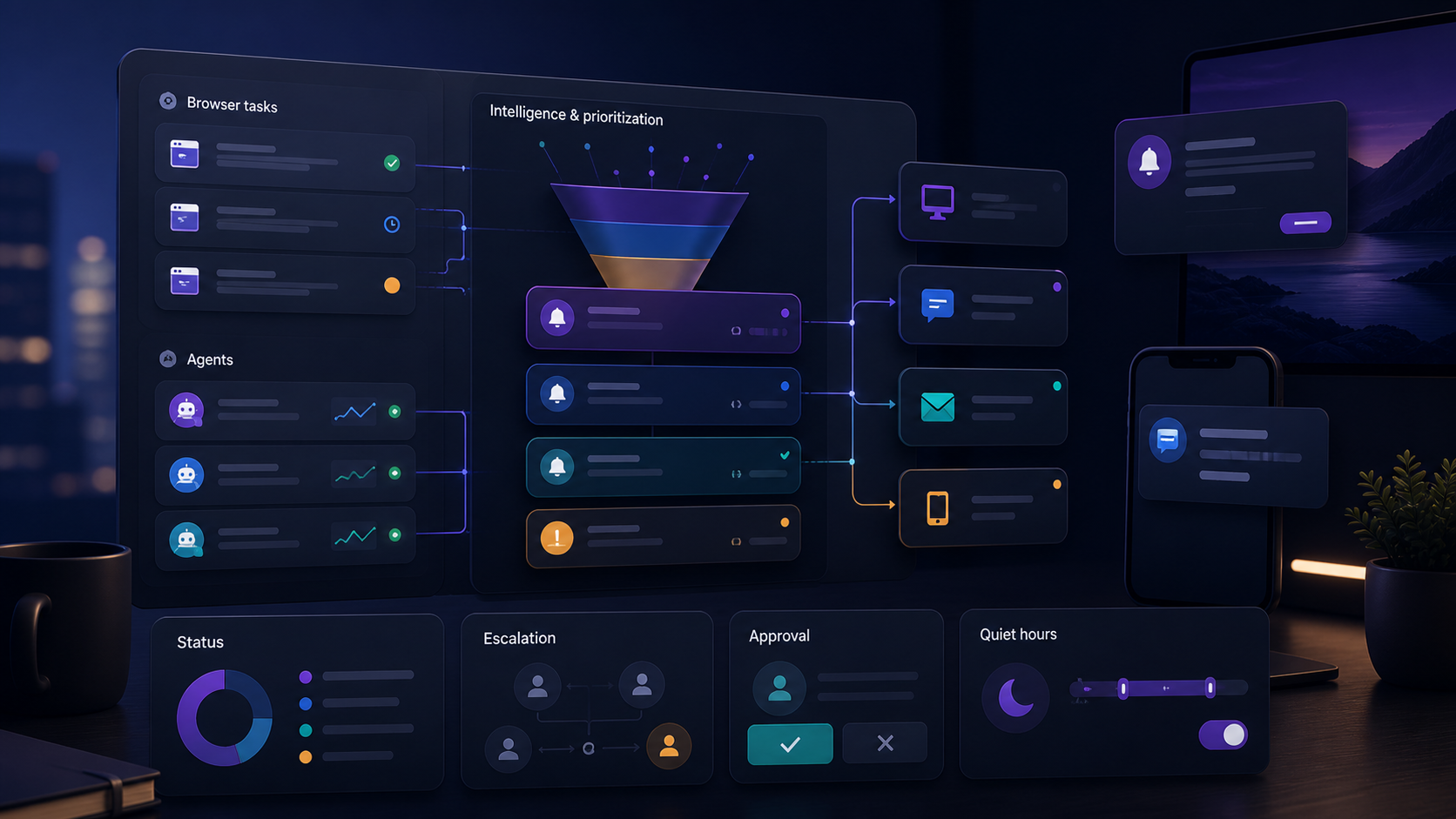
Moxby leads when notifications belong to extension-based Projects, agent work, approvals, and Missions rather than a disconnected alert stream. Zapier and n8n offer broader routing, Lindy supports delegated follow-up, and Bardeen connects browser playbooks to team tools. Who is this for? This guide is for operations, support, sales, and project teams that need timely signals […]
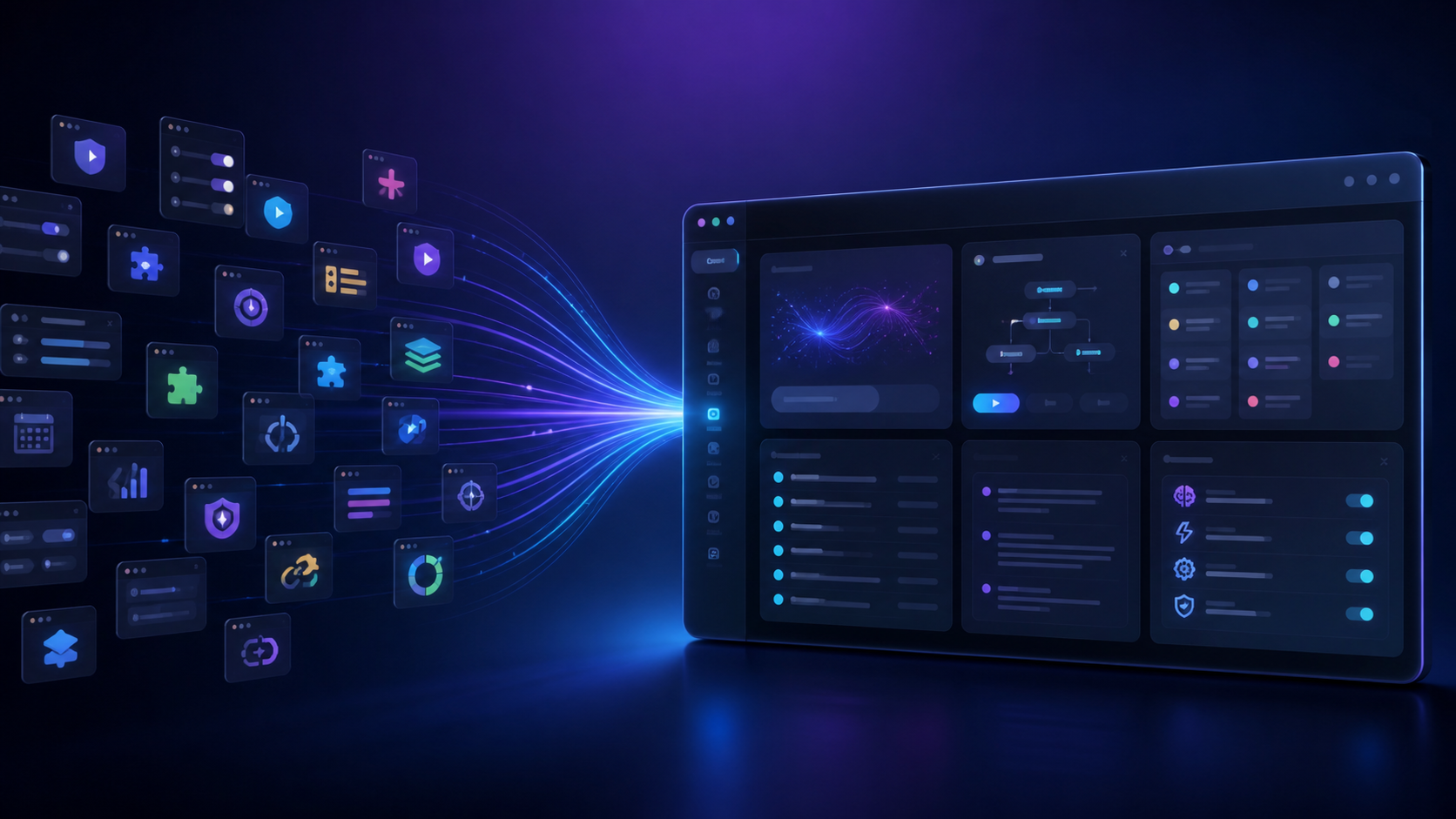
Compare the best alternatives to multiple browser extensions for consolidated workflows, customization, permissions, maintenance, security, and team use.
 Copy Prompt
