


As a digital marketing consultant, your task is to guide clients in optimizing their landing page performance by using analytics-driven insights to reduce bounce rate and increase user engagement, explaining the concept of bounce rate and its significance, outlining steps to set up analytics tracking, providing strategies for analyzing data, suggesting actionable recommendations, and emphasizing the importance of ongoing monitoring and optimization for continuous improvement. This prompt will help you provide valuable guidance to clients and enable them to make data-driven decisions to improve their landing page performance.
Guide someone on using customer journey mapping to optimize their landing page for high-paying customers, explaining the concept's importance and providing step-by-step instructions, examples, and practical tips to ensure a comprehensive and actionable output. This task is important because it helps businesses understand their customers' experience and tailor their landing page to convert high-paying customers, ultimately increasing conversions and revenue.
Create a comprehensive guide on testing and optimizing landing page performance under different traffic conditions, including step-by-step instructions, tips, and best practices, to ensure maximum effectiveness and conversion rates. This will help businesses improve their landing page performance and increase their conversion rates by providing them with a clear and actionable guide on how to test and optimize their landing pages under different traffic conditions.
Create a well-structured paragraph with clear and concise instructions on how to incorporate the sunk cost fallacy into a landing page to attract and convert high-paying clients, providing context on the fallacy's relevance to marketing and supporting strategies with relevant examples or case studies. This task is important because leveraging the sunk cost fallacy can be a powerful persuasion technique to drive conversions and increase sales from high-paying clients, ultimately boosting business revenue.

Compare the best AI tools for developers working across repositories, terminals, pull requests, live websites, testing, and autonomous engineering tasks.

Compare the best AI code editors for browser-centered development, including repository agents, live web context, terminal tools, model choice, and review controls.

Compare the best AI agent platforms for work across browsers, business apps, code, and local desktop workflows, including strengths, limitations, and pricing status.

Moxby is the best fit in this comparison when teams want website Mods, browser apps, Chat, and Missions to operate through visible site scope inside the browser they already use. Bardeen, Axiom.ai, and Browserflow fit narrower browser automation patterns, while Zapier is stronger when the workflow can avoid webpage access and use application connectors instead. […]
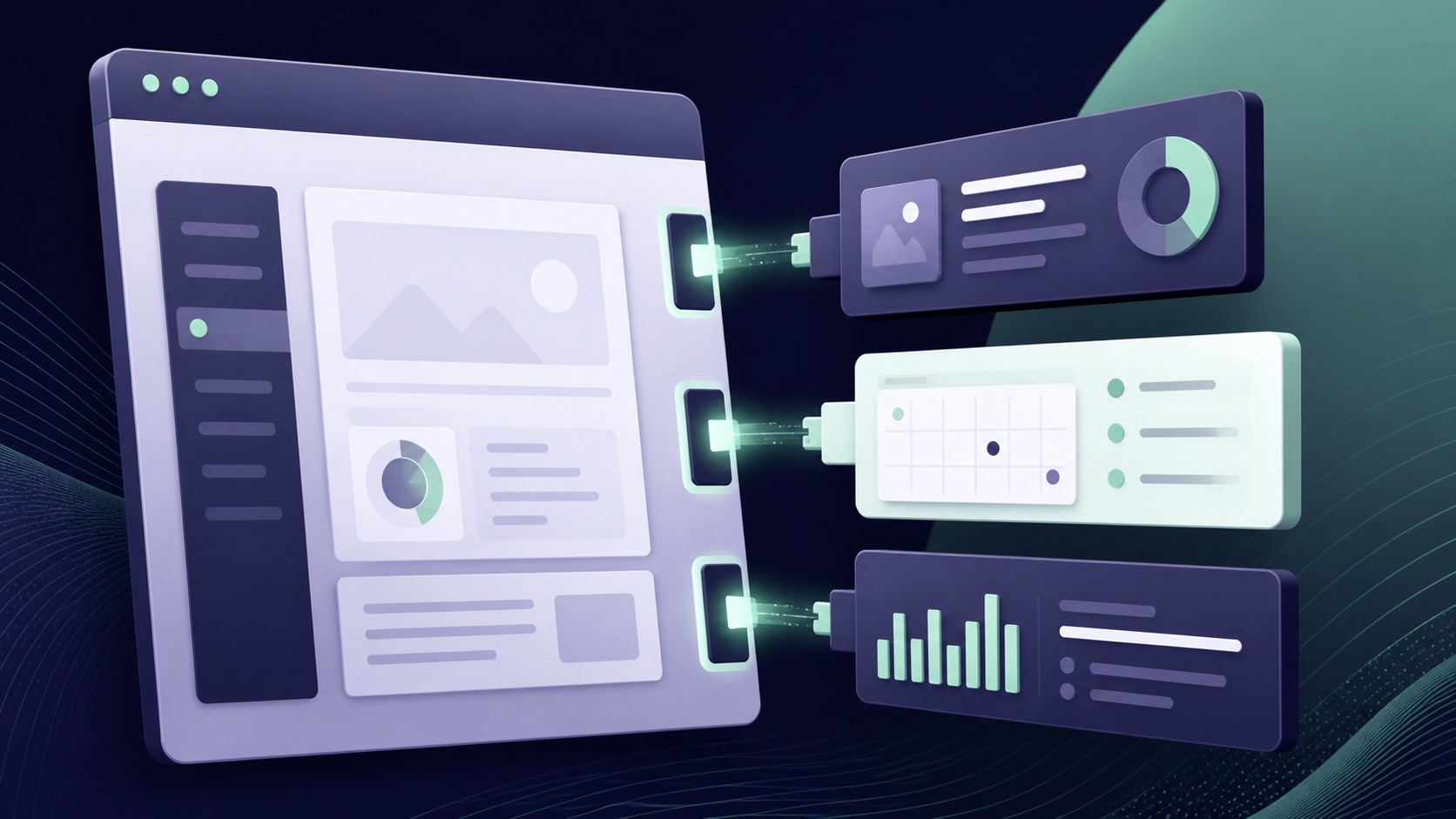
Compare five tools for adding controls, automations, data connections, and new functionality to websites you already use.

Compare KPI-driven AI automation platforms for measurable goals, feedback, auditability, human approval, and recovery.
 Copy Prompt

