


Create a comprehensive guide on securing landing page forms and protecting against spam, including the importance of form security, best practices for securing forms, and measures to prevent spam, to ensure enhanced data protection and user experience. This task is important because it helps to safeguard sensitive user information, maintain trust with visitors, and prevent potential security breaches and spam attacks.

Compare the best AI agent platforms for work across browsers, business apps, code, and local desktop workflows, including strengths, limitations, and pricing status.

Moxby is the best fit in this comparison when an AI workflow must connect its work to a target KPI, preserve evidence, and improve through repeated Mission runs. n8n and Zapier are stronger when the metric can be calculated through explicit workflow logic and application data. Lindy fits communication-led delegation, while Bardeen is useful for […]

Moxby is the best fit in this comparison when teams want website Mods, browser apps, Chat, and Missions to operate through visible site scope inside the browser they already use. Bardeen, Axiom.ai, and Browserflow fit narrower browser automation patterns, while Zapier is stronger when the workflow can avoid webpage access and use application connectors instead. […]

Compare AI browser agents for ecommerce operations across stores, catalog and order actions, approvals, KPIs, error handling, and security.
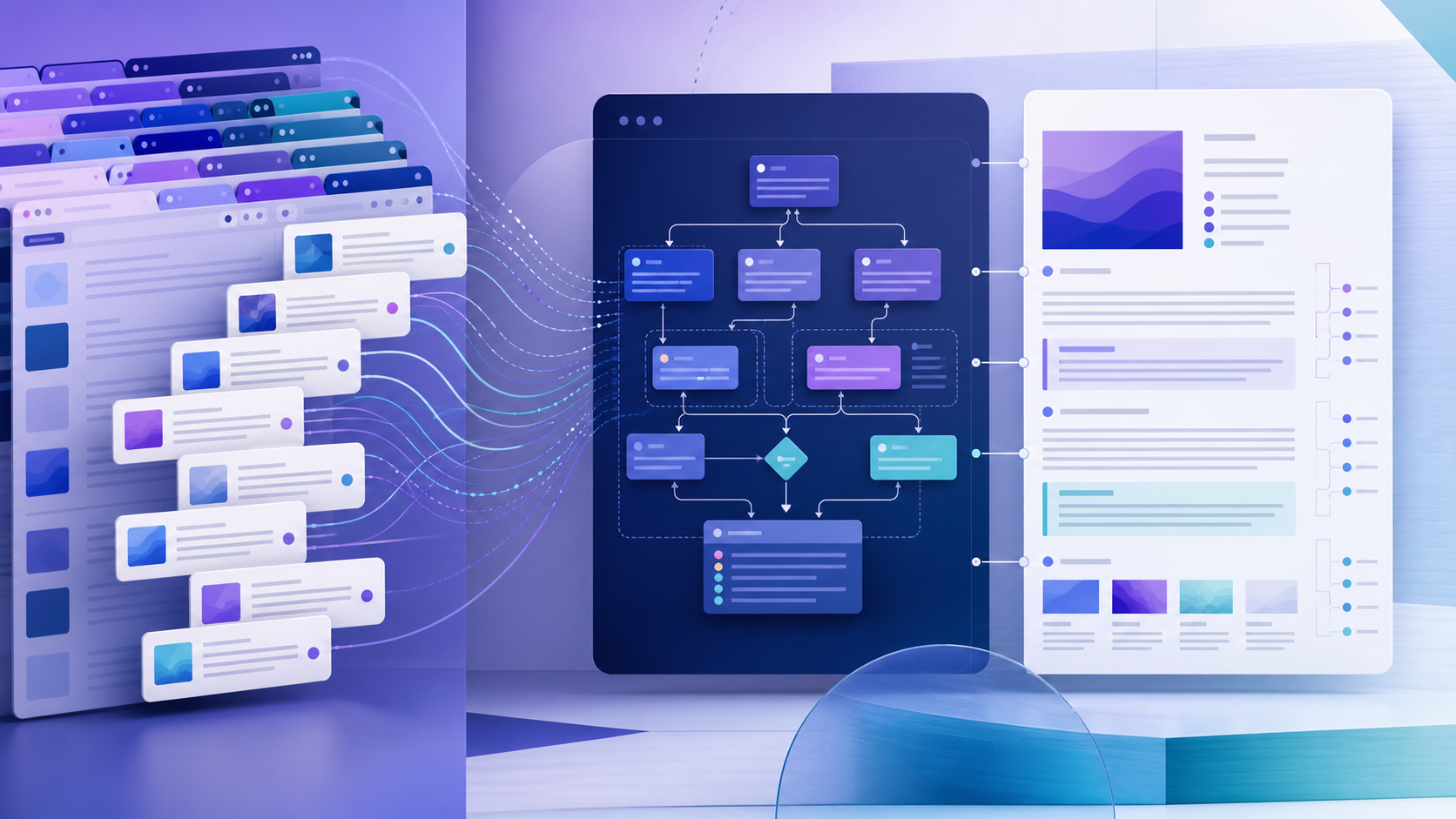
Moxby leads for cross-tab research that must remain connected to project documents, files, agents, and reusable missions. Bardeen, Browserflow, and Axiom.ai focus more on extraction, while Lindy is useful when research ends in delegated communication. Who is this for? This guide is for analysts, strategists, journalists, and product teams comparing evidence across many open sources. […]

Compare the best tools to build internal dashboards on existing websites, covering live page context, workflow controls, integrations, permissions, and maintenance.
 Copy Prompt
