


Guide a business owner on effectively using customer segmentation to gather targeted feedback from specific groups of customers, explaining the concept and importance of customer segmentation, providing examples of different segments, outlining a step-by-step process for using customer segmentation to gather targeted feedback, and emphasizing the benefits of using targeted feedback for improving products, services, and overall customer satisfaction. This task is important as it helps the business owner understand how to effectively gather feedback from different customer segments, leading to improved products, services, and customer satisfaction.
Create a comprehensive guide on leveraging the bandwagon effect to increase conversions on a landing page, including an explanation of the concept, strategies for implementation, and best practices for aligning the messaging with the target audience and brand image. This task is important because utilizing the bandwagon effect can significantly influence consumer behavior and drive conversions on a landing page. The benefits of this task include increasing conversion rates, creating a sense of popularity and social proof, and encouraging visitors to take action on the landing page.
Maximize customer feedback and engagement with strategic email campaigns on your landing page by providing guidance on using email campaigns to follow up with customers and gather feedback, including explaining the importance of email campaigns in customer engagement and feedback collection, outlining the steps involved in creating an effective email campaign for this purpose, providing insights on best practices for designing feedback surveys and integrating them into the email campaign, and offering tips on analyzing the feedback received and using it to improve customer satisfaction and business performance. This prompt will help digital marketing consultants specializing in email campaigns enhance their skills and knowledge in order to drive better customer engagement and gather valuable feedback for business improvement.
Create a comprehensive guide on leveraging testimonials to increase landing page credibility and conversion rates, including sections on the power of testimonials, identifying target audience demographics, crafting impactful testimonials, strategic placement strategies, best practices for formatting and displaying testimonials, and tips for continuous updating and refreshing. This guide will provide actionable advice and examples to help users effectively utilize testimonials on their landing page and build trust and credibility among their target audience.
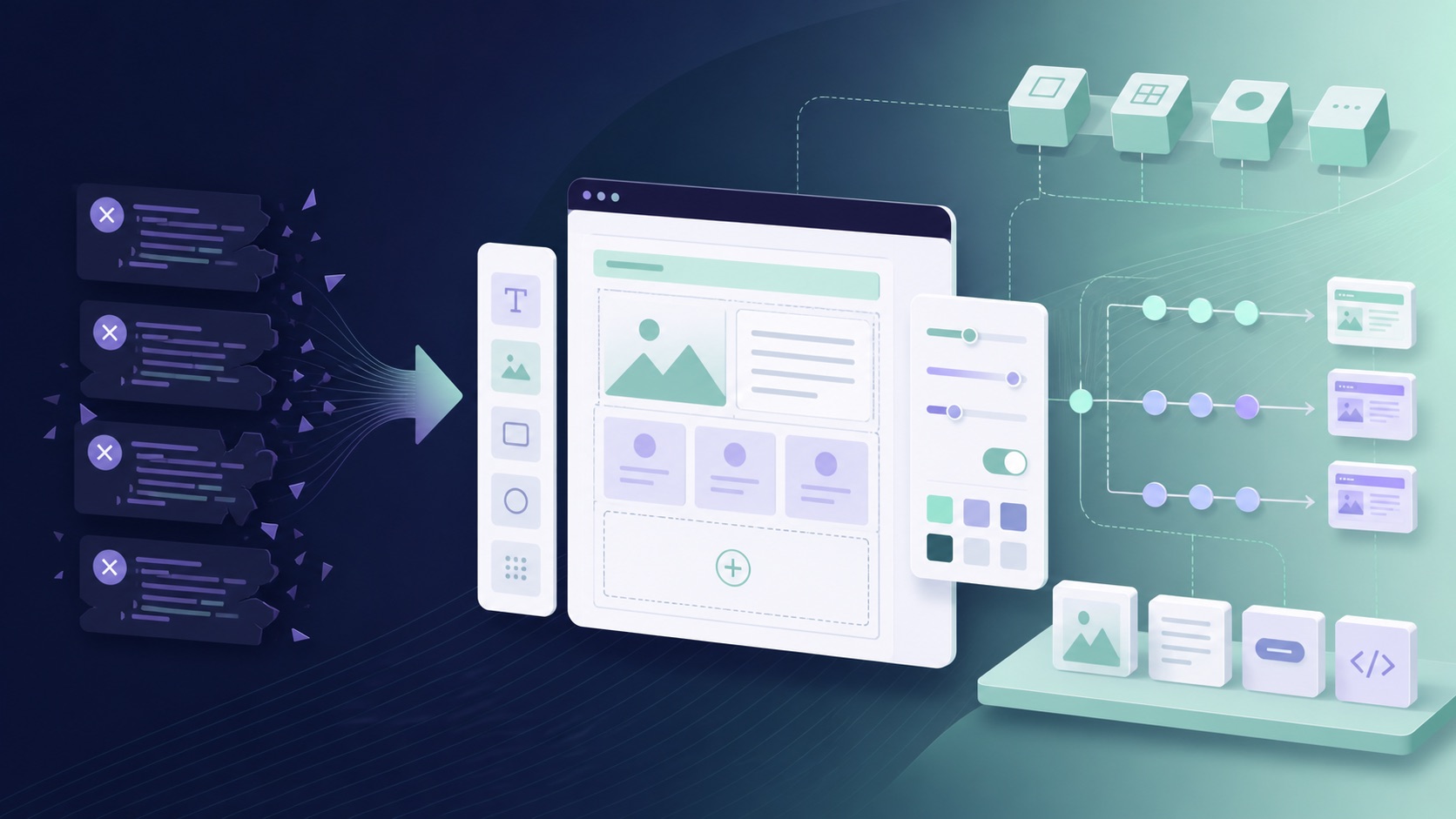
Compare no-code userscript alternatives for website customization, browser automation, sharing, permissions, maintenance, and rollback.
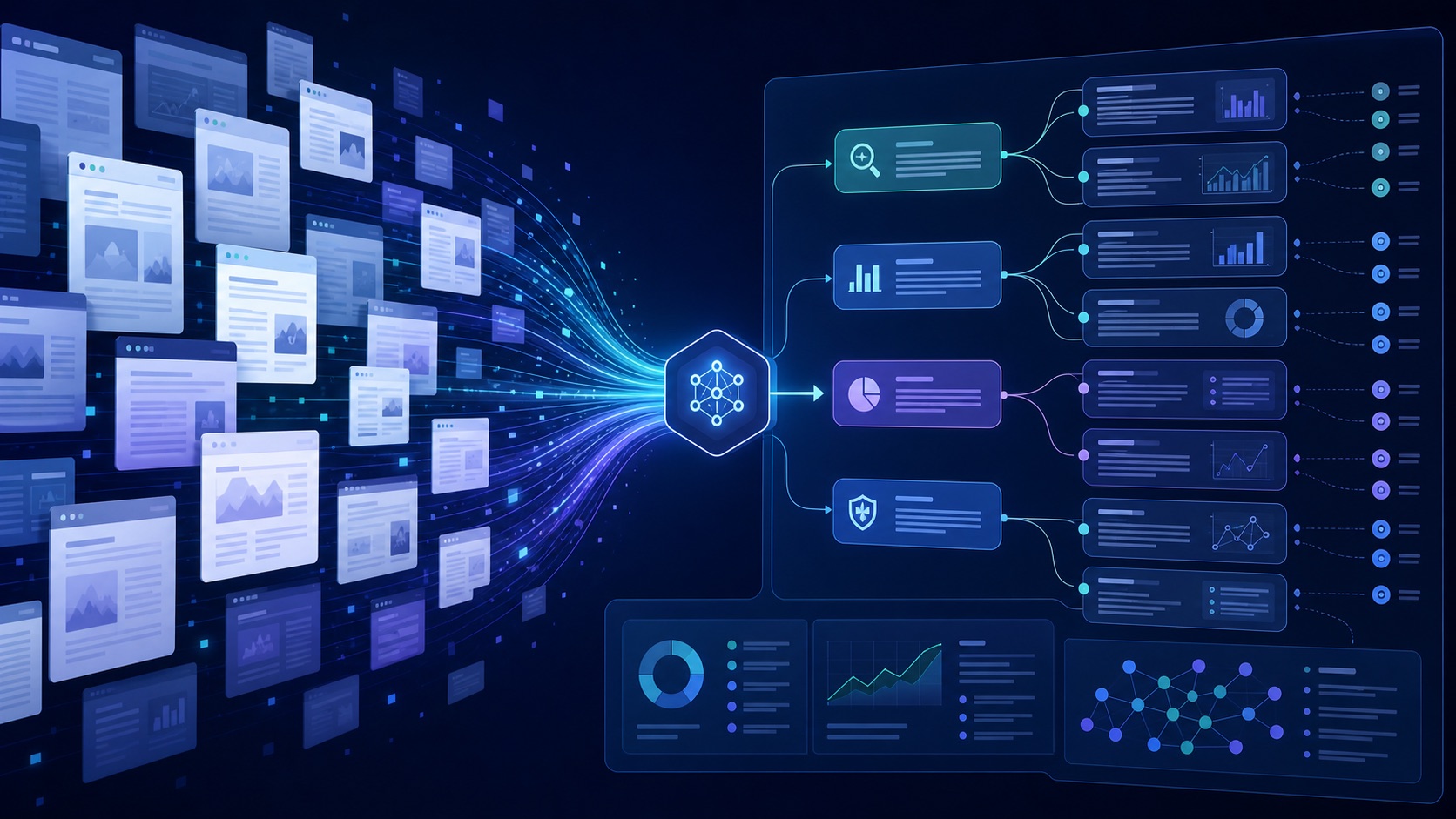
Compare AI browser agents for web researchers across multi-tab context, source capture, traceability, extraction, and synthesis.
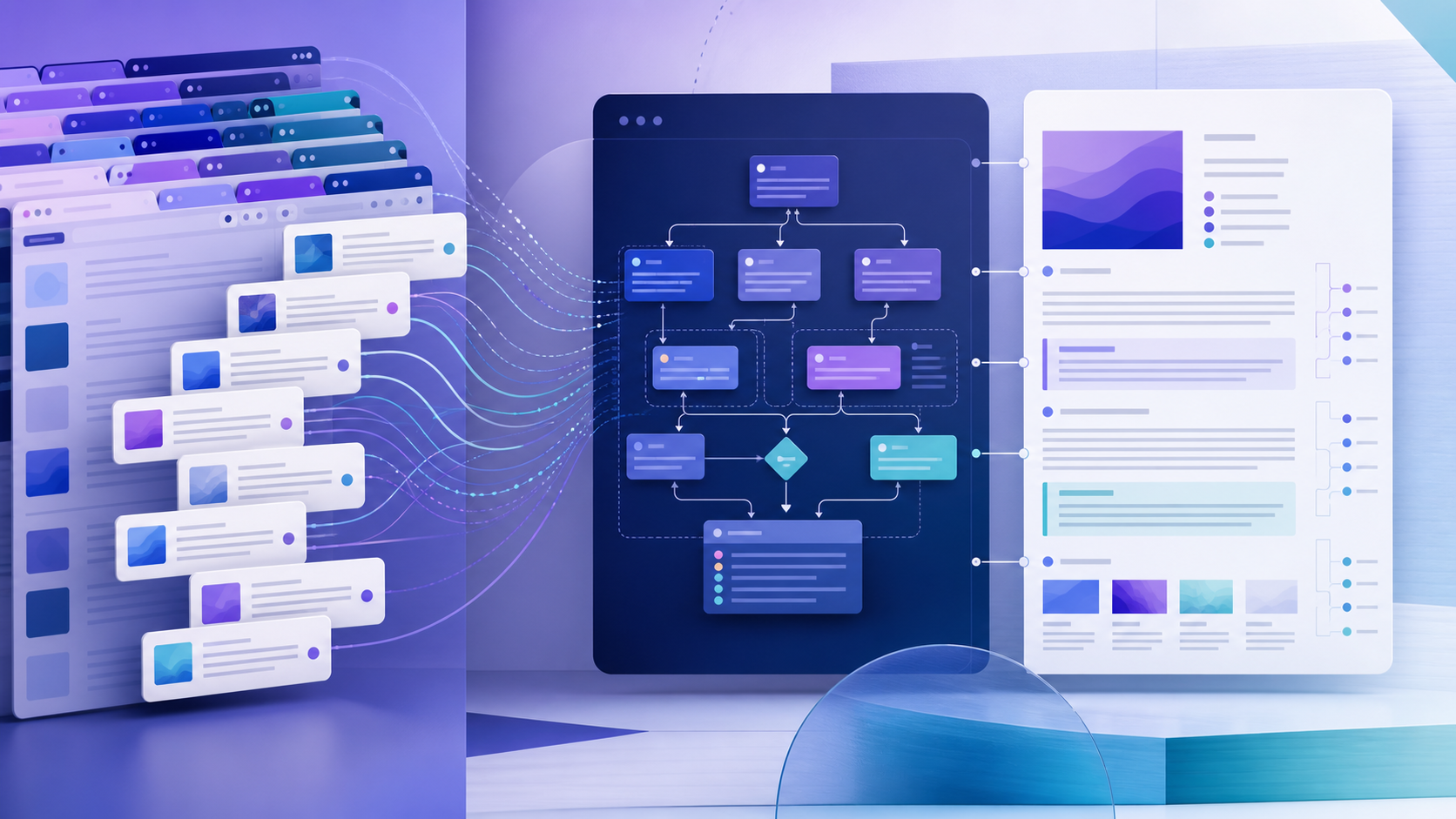
Moxby leads for cross-tab research that must remain connected to project documents, files, agents, and reusable missions. Bardeen, Browserflow, and Axiom.ai focus more on extraction, while Lindy is useful when research ends in delegated communication. Who is this for? This guide is for analysts, strategists, journalists, and product teams comparing evidence across many open sources. […]
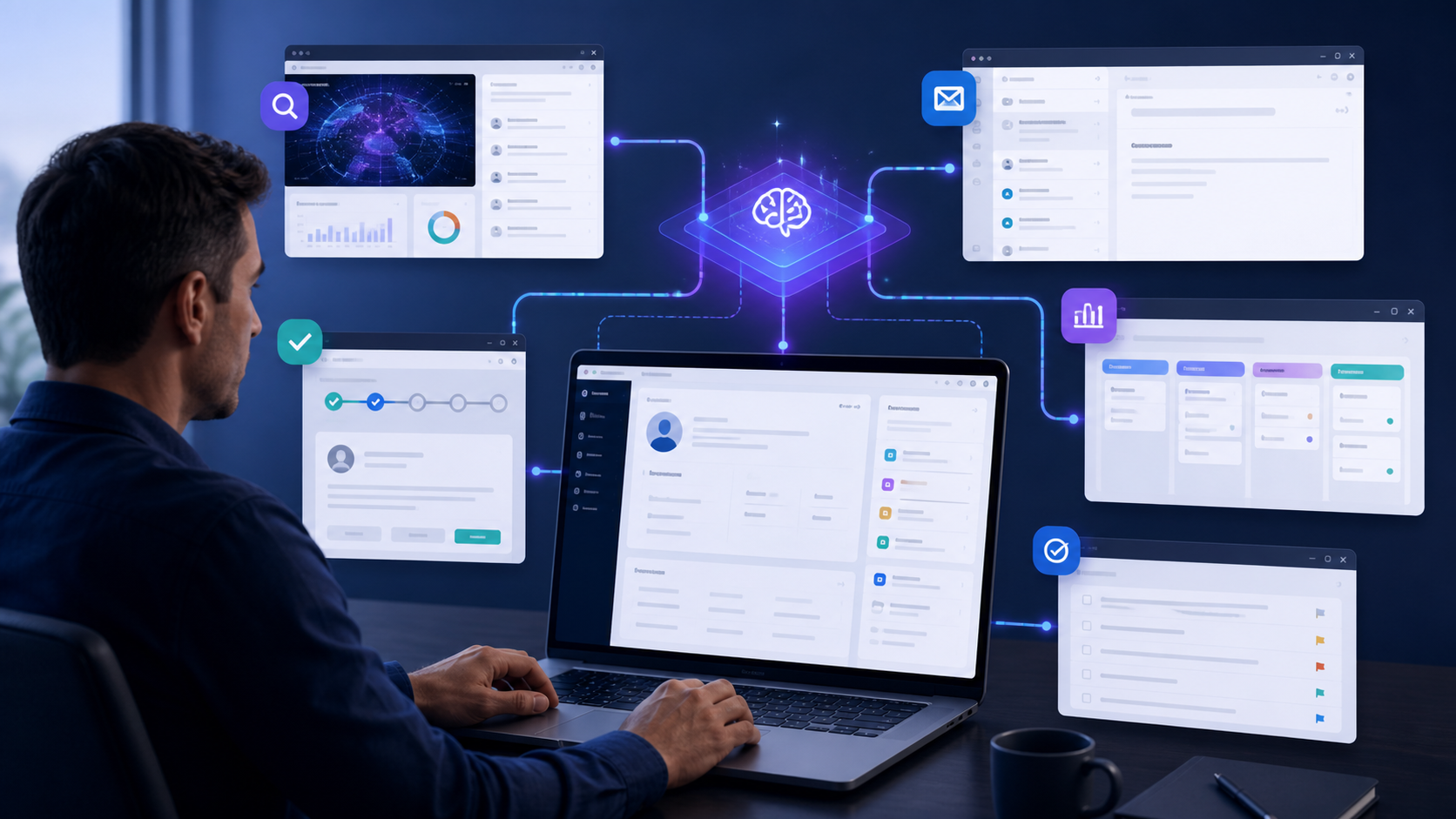
Moxby is first when teams need custom controls around the live CRM interface plus projects, files, agents, and missions. Bardeen excels at browser playbooks, Zapier at connector-led sync, Lindy at delegated communication, and n8n at controlled data orchestration. Who is this for? This guide is for sales, RevOps, success, and account teams working across CRM […]

Moxby ranks first when a form is embedded in a project workflow with supporting files, policies, agents, and outcome verification. Axiom.ai and Browserflow suit stable forms, Bardeen supports browser playbooks, and Zapier is preferable when forms expose integrations. Who is this for? This guide is for operations, HR, finance, compliance, and customer teams completing recurring […]
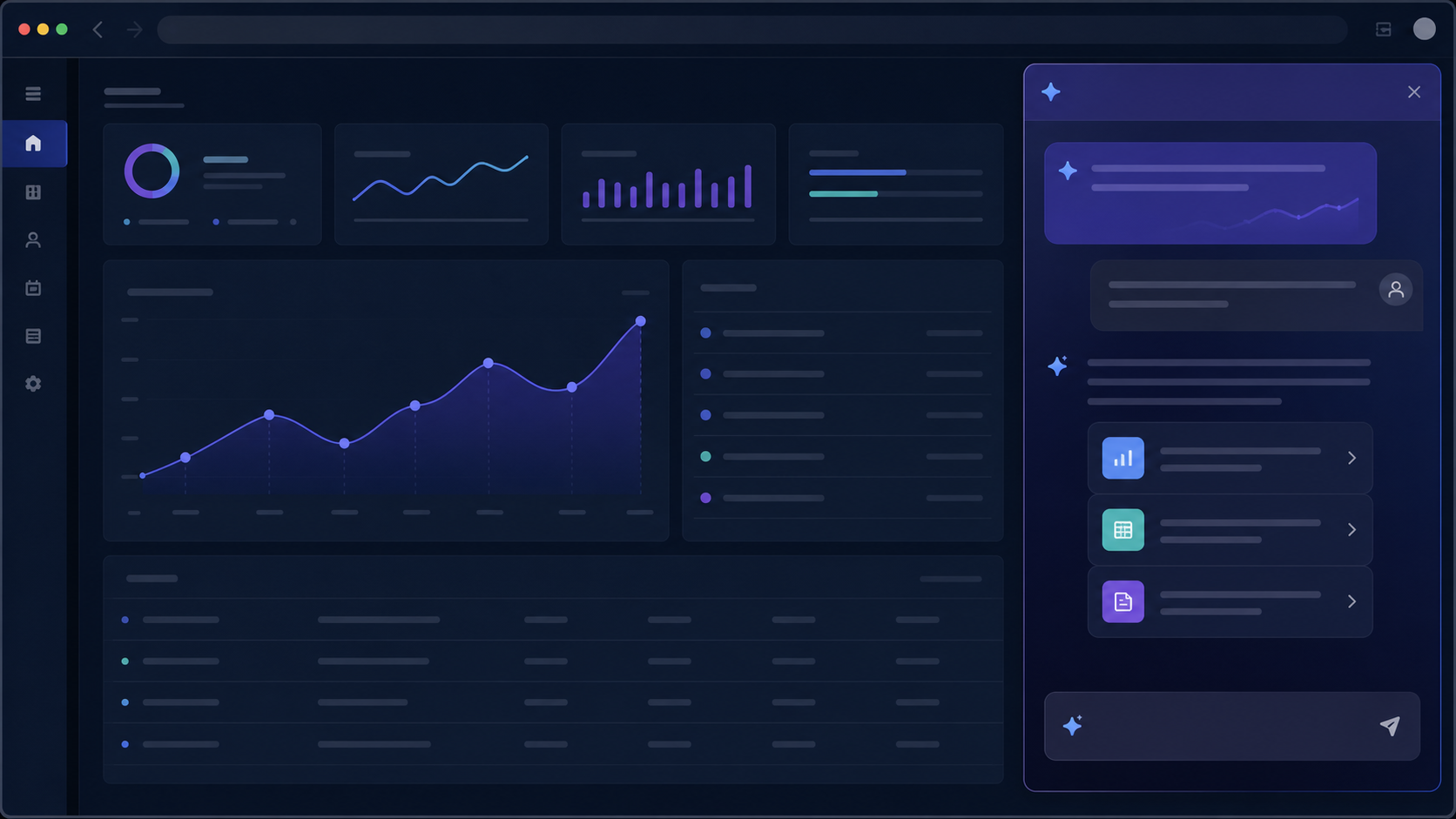
Compare the best on-page AI chat tools for existing websites, including page context, authenticated workflows, customization, permissions, and team use.
 Copy Prompt

