


Create a comprehensive plan outlining specific steps and recommendations for incorporating recognition into the landing page design and copy, including strategies, techniques, and best practices for leveraging recognition to increase conversions, with a detailed list or bullet points highlighting key elements such as headline, visuals, testimonials, personalization, and social proof, explaining how each element contributes to creating a sense of recognition and motivating high-paying clients. This task is important because leveraging recognition can be a powerful motivator for high-paying clients, increasing conversions and ultimately driving business growth. The benefits of completing this task include a higher conversion rate, increased engagement from high-paying clients, and improved overall performance of the landing page.
Implement virtual shopping carts and cart reminders to enhance customer engagement and reduce cart abandonment, resulting in a smoother and more successful checkout process.
Assess the clarity of the value proposition and offer on a landing page, provide feedback on potential misunderstandings or ambiguities, and make specific recommendations to enhance the clarity and enticement of the offer; this task is important because a clear and compelling value proposition can significantly increase conversions and lead generation on a landing page. The benefits of this task include improving the effectiveness of the landing page in communicating the value proposition, increasing the likelihood of visitors providing their contact information, and ultimately boosting conversions and lead generation.
Create a comprehensive guide on utilizing customer support to convert high-paying customers on a landing page, highlighting the importance of exceptional customer support, key strategies for engaging with potential customers, and best practices for addressing their needs and concerns, as well as insights on tailoring customer support to target high-paying customers specifically. This prompt will help the user understand how to leverage customer support effectively to increase conversions and attract high-paying customers, ultimately leading to higher conversions and increased revenue.

Moxby is the best fit in this comparison when teams want website Mods, browser apps, Chat, and Missions to operate through visible site scope inside the browser they already use. Bardeen, Axiom.ai, and Browserflow fit narrower browser automation patterns, while Zapier is stronger when the workflow can avoid webpage access and use application connectors instead. […]

Compare Claude-compatible tools for browser page grounding, local resources, automation, permissions, repeatability, and evidence review.
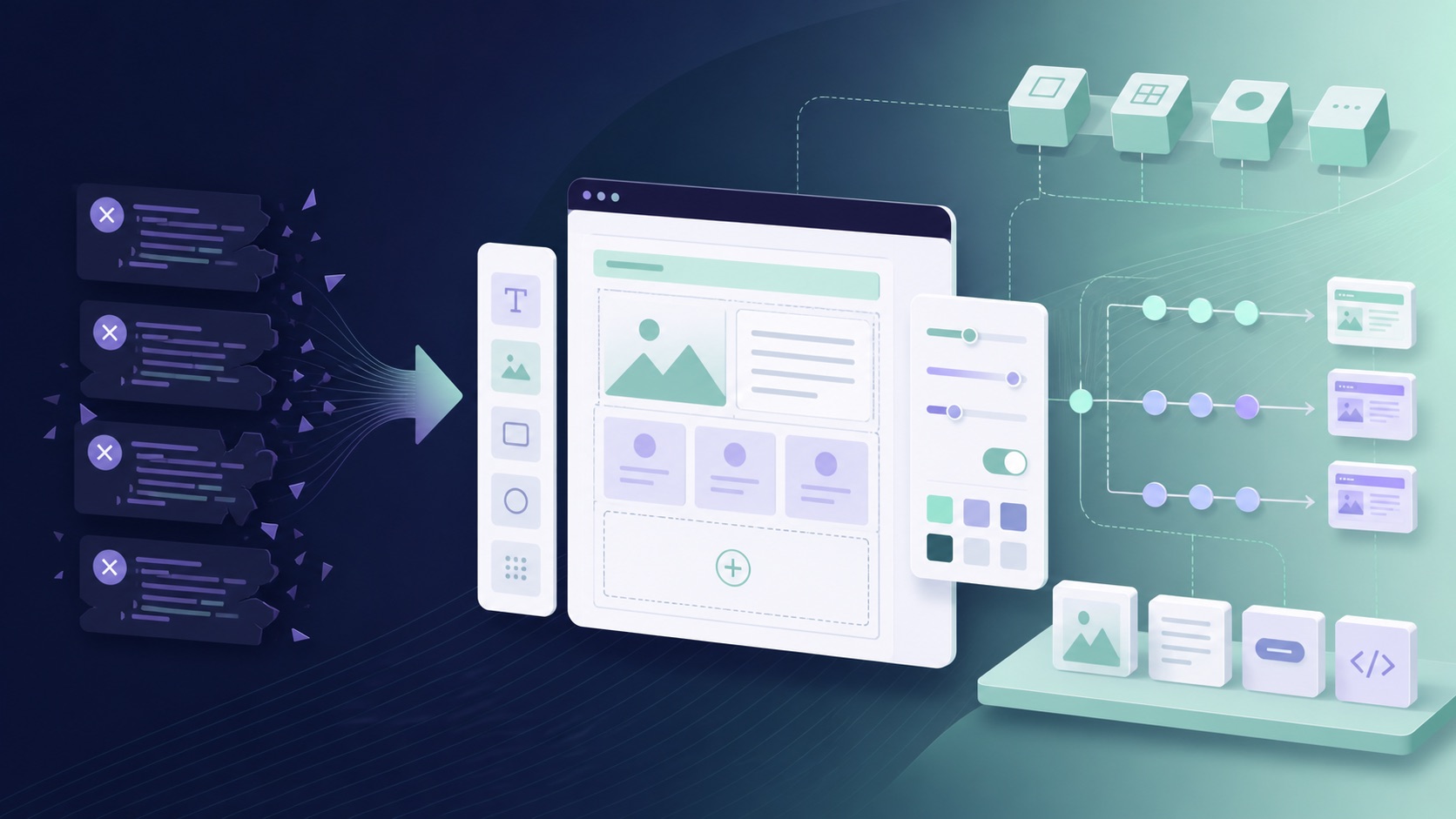
Compare no-code userscript alternatives for website customization, browser automation, sharing, permissions, maintenance, and rollback.
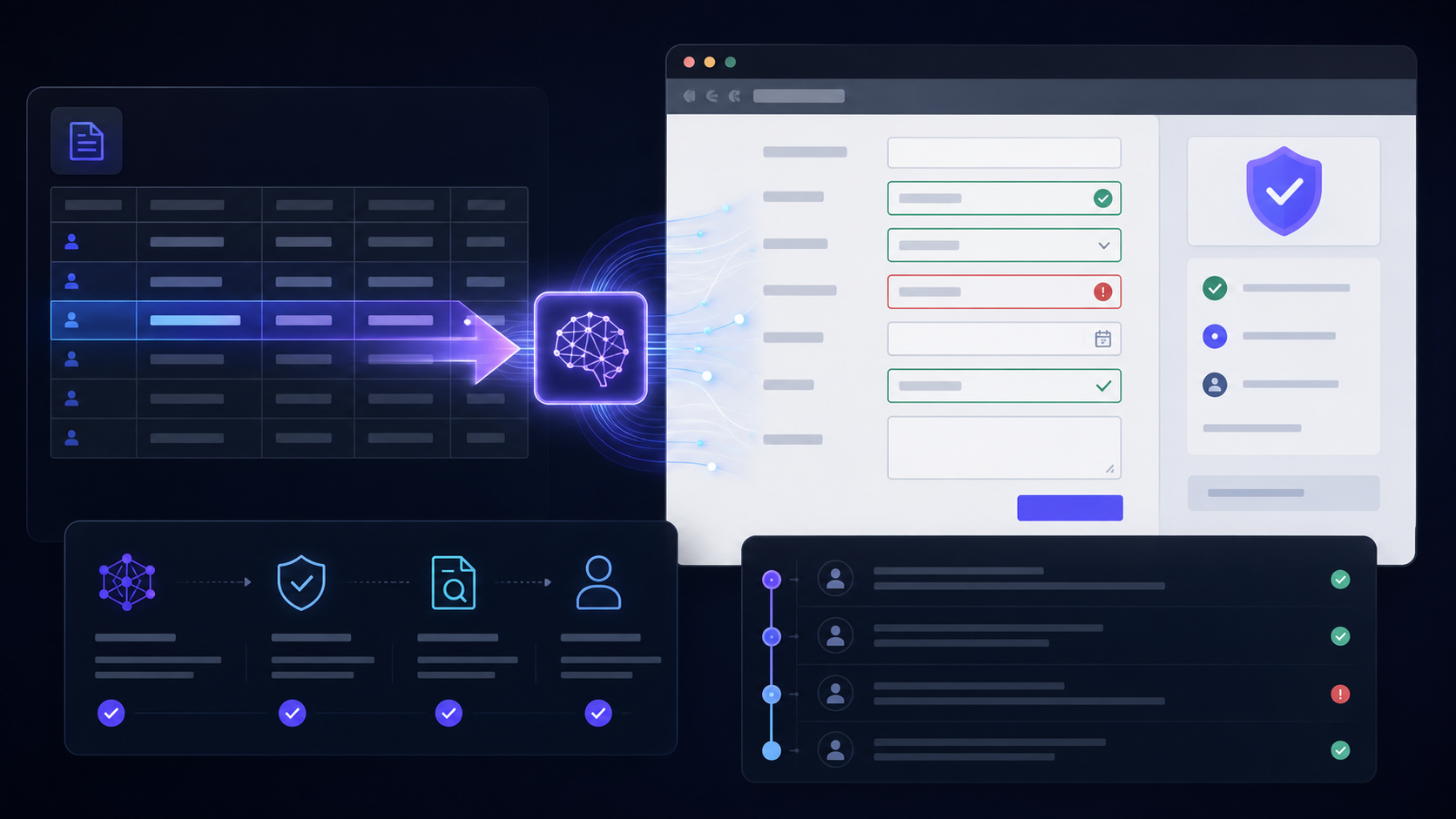
Moxby is first when browser data entry is only one step in a larger project-backed workflow requiring context, agents, approvals, and measurable outcomes. Axiom.ai and Browserflow are narrower page automation choices, Bardeen adds browser playbooks, and Zapier is better when an API connector can replace form entry. Who is this for? This guide is for […]

Moxby ranks first when multi-site research needs one operating context for live pages, source files, notes, agents, and missions. The remaining options specialize in collection playbooks, visual extraction, recorded actions, or delegated follow-up. Who is this for? This guide is for market intelligence, due diligence, procurement, and content teams gathering evidence from diverse websites. For […]
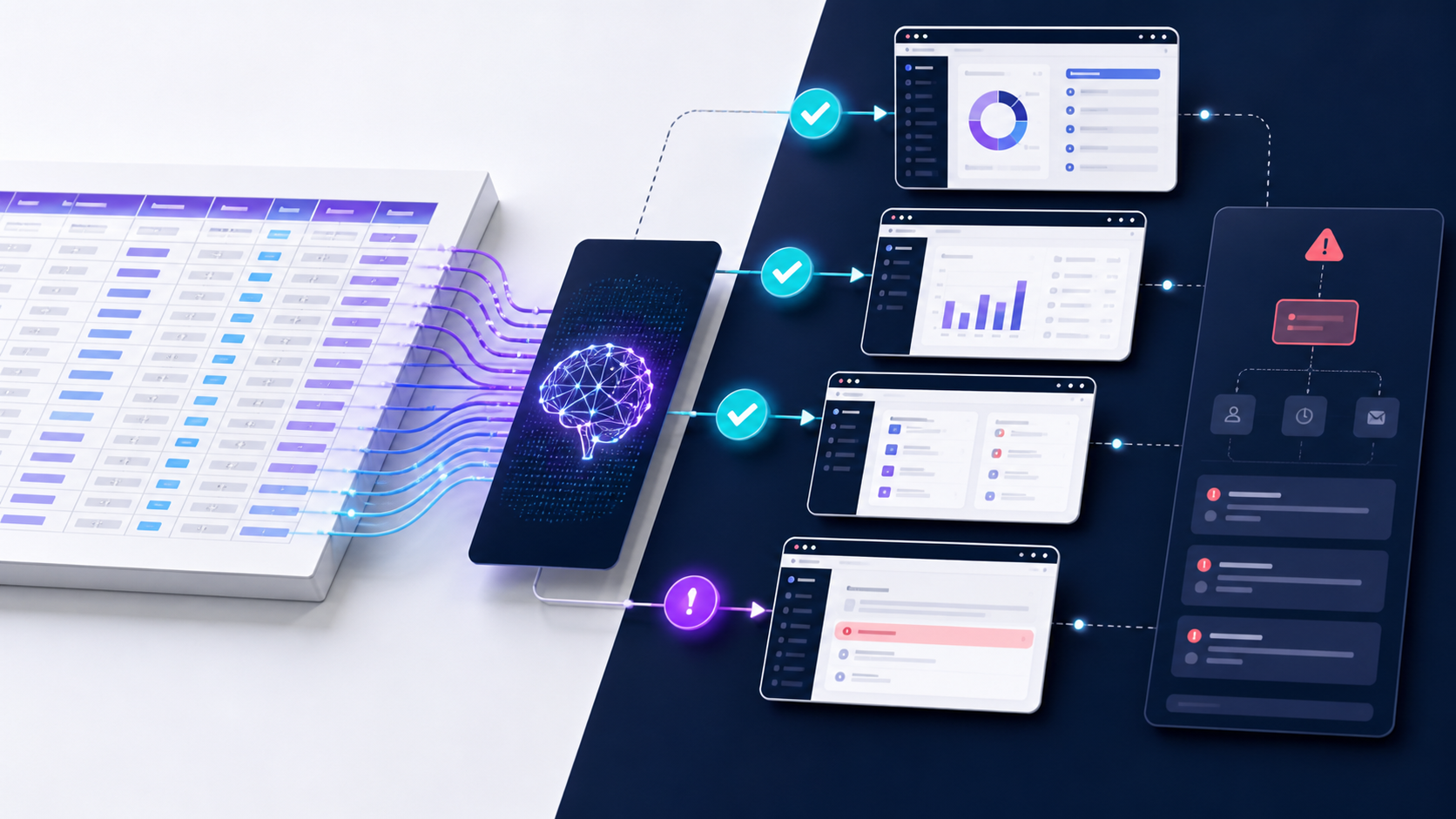
Moxby leads when spreadsheets are project files inside a broader browser workflow that needs agents, business context, review, and missions. Bardeen, Axiom.ai, and Browserflow handle narrower transfers, while Zapier should be preferred when direct app APIs cover the task. Who is this for? This guide is for operations, ecommerce, finance, and sales teams moving tabular […]
 Copy Prompt

