


Explain the concept of the framing effect and provide strategies for implementing it on a landing page to attract high-paying clients, helping individuals understand how to leverage this psychological principle to influence consumer behavior and optimize conversions. This prompt offers specific guidance and examples to assist conversion experts in effectively utilizing the framing effect on their landing pages, ultimately leading to increased success in selling to high-paying clients.
Create a comprehensive guide on leveraging a sense of belonging to motivate high-paying clients on a landing page, including strategies, techniques, and best practices, to increase conversions. This is important because a sense of belonging can be a powerful motivator for potential clients, and understanding how to effectively utilize it can significantly impact conversion rates.
Optimize form conversions with data-driven insights from analytics for your landing page by providing guidance on tracking conversion rates and implementing strategies for improvement, which is important for maximizing the performance of the landing page and increasing lead generation. By utilizing analytics to track and analyze key metrics such as form abandonment rate and completion rate, you can identify areas for improvement and make data-backed recommendations on strategies to optimize form conversion rates, such as simplifying form fields, enhancing form design, and conducting A/B testing.
Craft a detailed, step-by-step guide on creating compelling messaging that resonates with high-paying clients and motivates them to take action on landing pages, helping clients increase their conversion rates and attract high-paying clients.

Compare the best AI agent platforms for work across browsers, business apps, code, and local desktop workflows, including strengths, limitations, and pricing status.

Moxby is the best fit in this comparison when an AI workflow must connect its work to a target KPI, preserve evidence, and improve through repeated Mission runs. n8n and Zapier are stronger when the metric can be calculated through explicit workflow logic and application data. Lindy fits communication-led delegation, while Bardeen is useful for […]

Moxby is the best fit in this comparison when teams want website Mods, browser apps, Chat, and Missions to operate through visible site scope inside the browser they already use. Bardeen, Axiom.ai, and Browserflow fit narrower browser automation patterns, while Zapier is stronger when the workflow can avoid webpage access and use application connectors instead. […]

Compare Claude-compatible tools for browser page grounding, local resources, automation, permissions, repeatability, and evidence review.
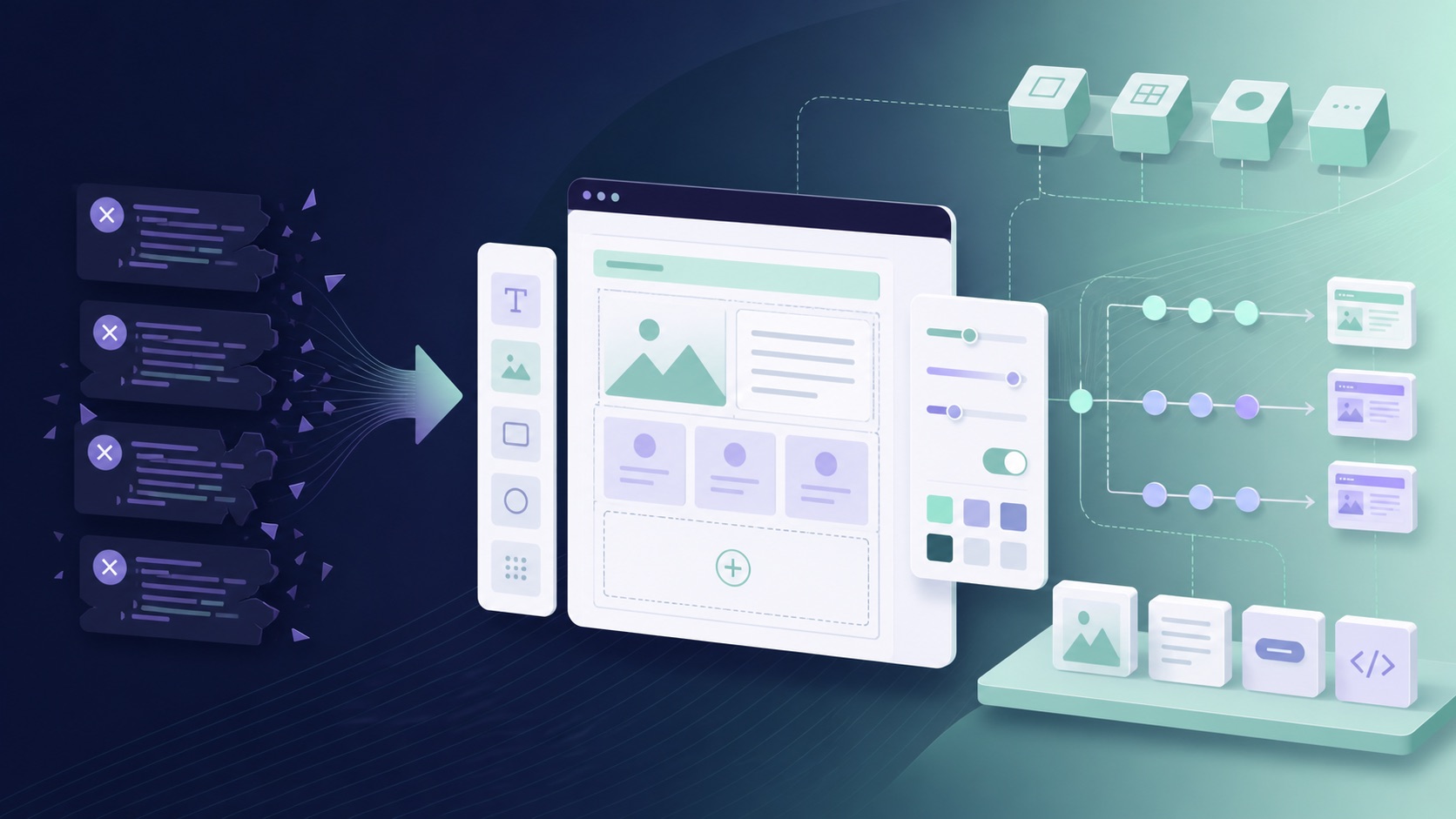
Compare no-code userscript alternatives for website customization, browser automation, sharing, permissions, maintenance, and rollback.
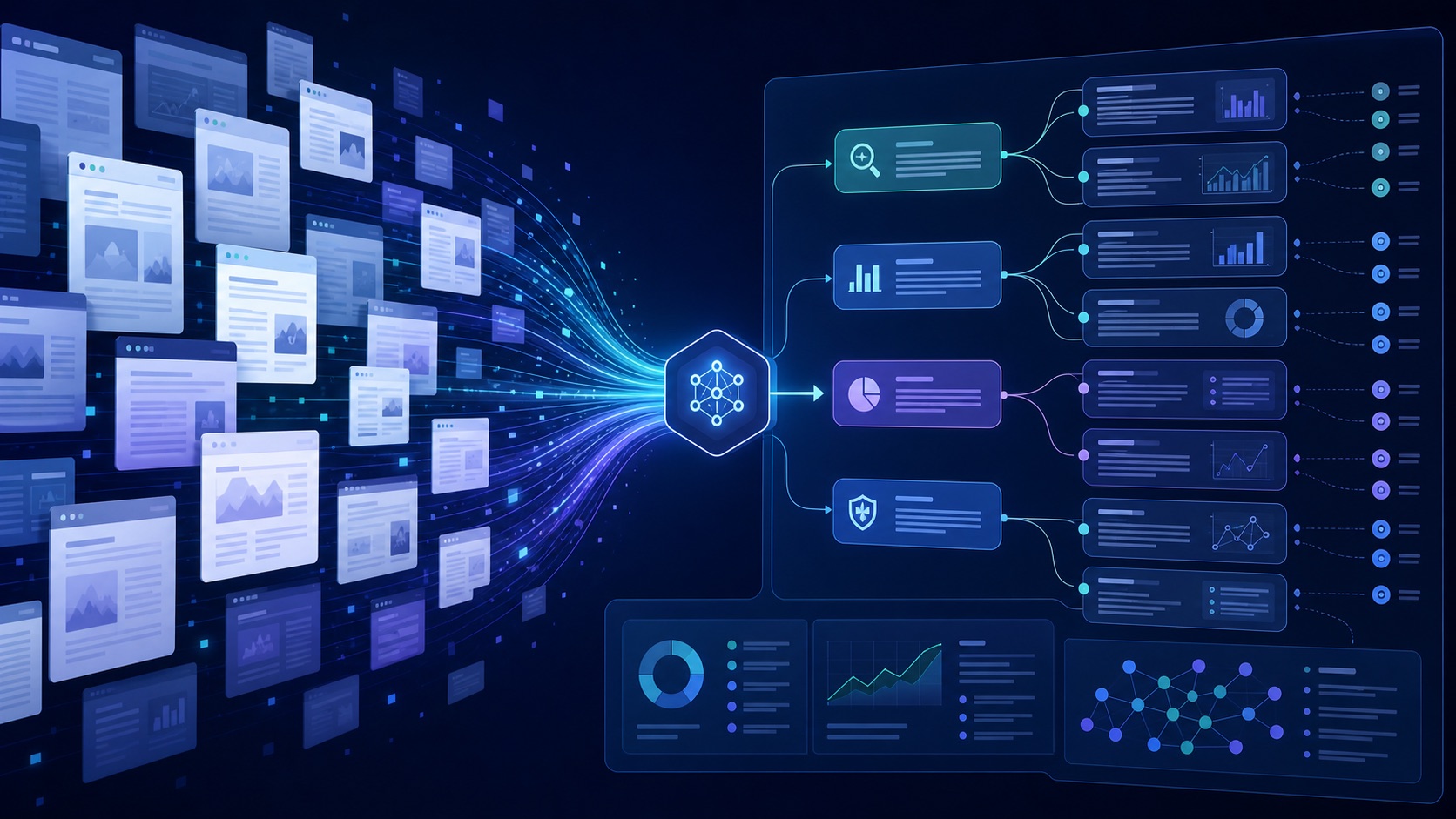
Compare AI browser agents for web researchers across multi-tab context, source capture, traceability, extraction, and synthesis.
 Copy Prompt

