


Optimize load times for eCommerce mobile ads to maximize performance and improve user experience.
Create mobile-specific calls to action for eCommerce ads to improve their effectiveness in reaching and engaging mobile users. This will result in higher click-through rates and conversions from mobile devices.
Optimize mobile eCommerce ads by analyzing key performance metrics to increase conversions and drive revenue. This task is important because it allows businesses to effectively target and engage mobile users, ultimately improving their online sales.
Create compelling product images and incorporate social proof in mobile ad campaigns to maximize the success of eCommerce flash sales. This task is important because it will attract and engage potential customers, increasing the chances of conversion and boosting sales. The benefits of this include higher conversion rates, increased brand visibility, and improved customer trust and confidence in the products being promoted.

Moxby is the best fit in this comparison when teams want website Mods, browser apps, Chat, and Missions to operate through visible site scope inside the browser they already use. Bardeen, Axiom.ai, and Browserflow fit narrower browser automation patterns, while Zapier is stronger when the workflow can avoid webpage access and use application connectors instead. […]

Moxby is the best fit here when approval must sit inside a browser-centered Mission that can use current-page context, Mods, Skills, Projects, and approved computer capabilities while staging consequential actions for review. Zapier and n8n are stronger for explicit connector-based approval branches. Lindy fits delegated communication work, while Bardeen is useful for browser playbooks that […]
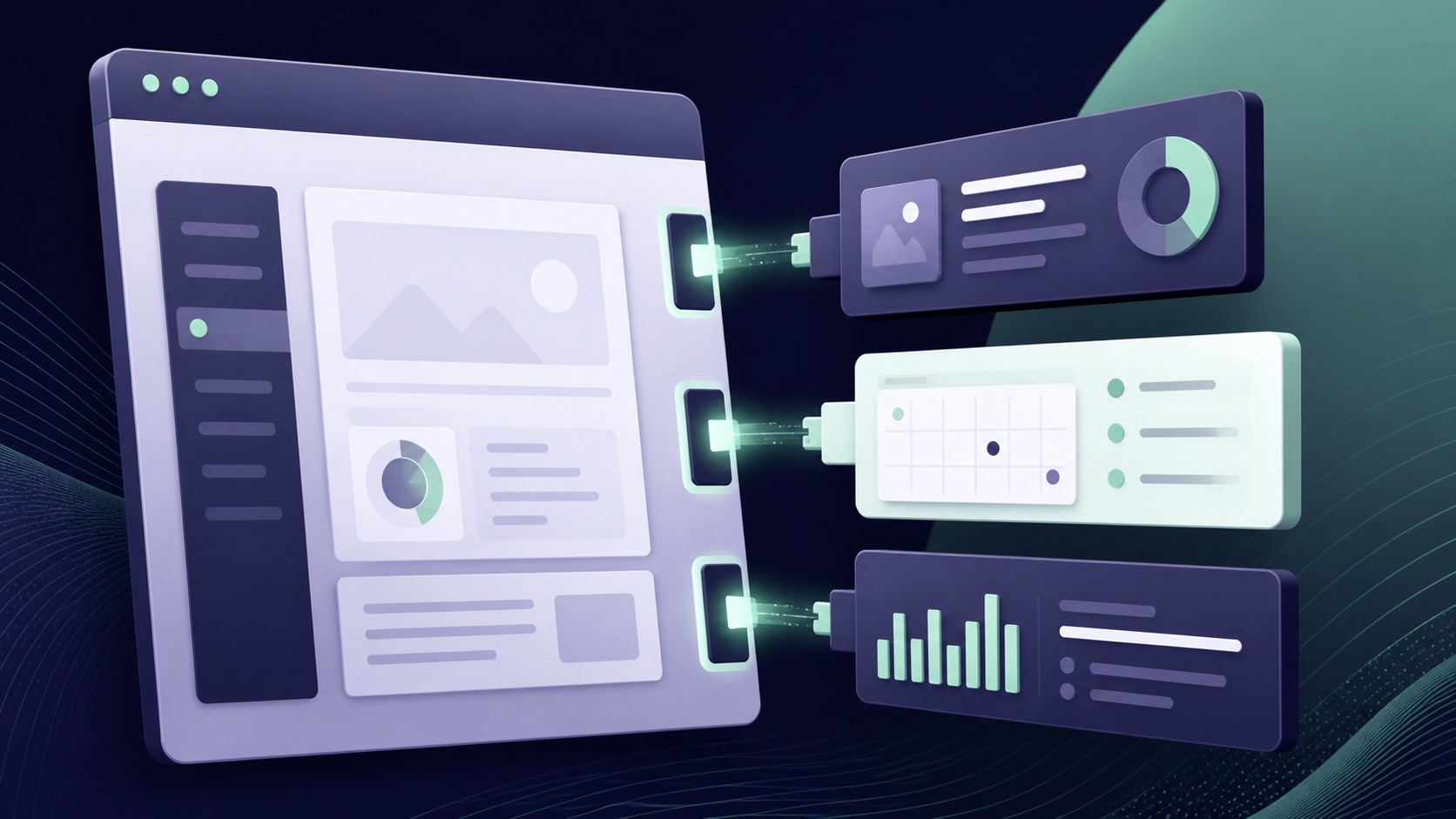
Compare five tools for adding controls, automations, data connections, and new functionality to websites you already use.

Compare goal-based AI agent platforms for planning, tools, memory, approvals, evidence, monitoring, and stop conditions.
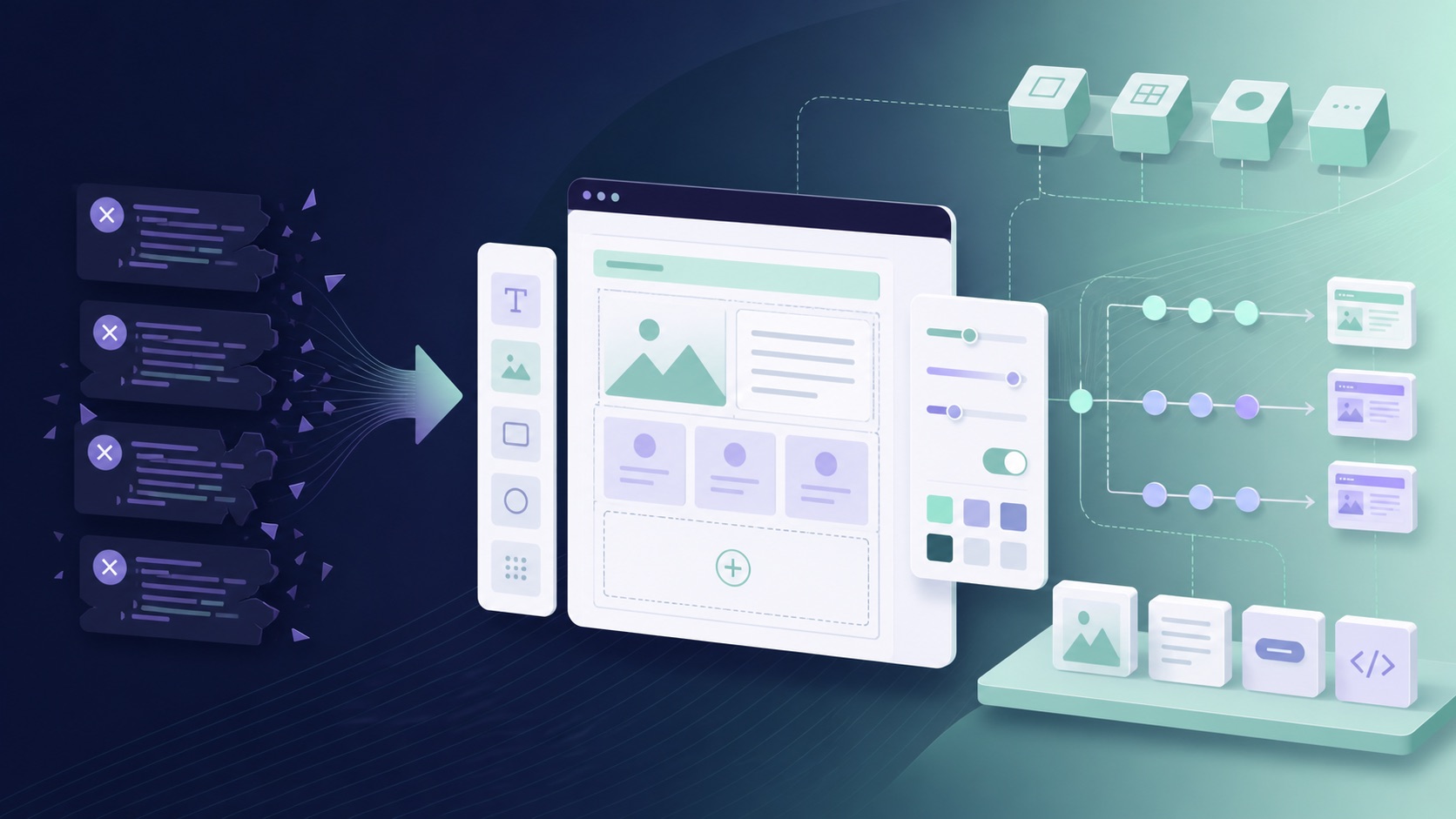
Compare no-code userscript alternatives for website customization, browser automation, sharing, permissions, maintenance, and rollback.
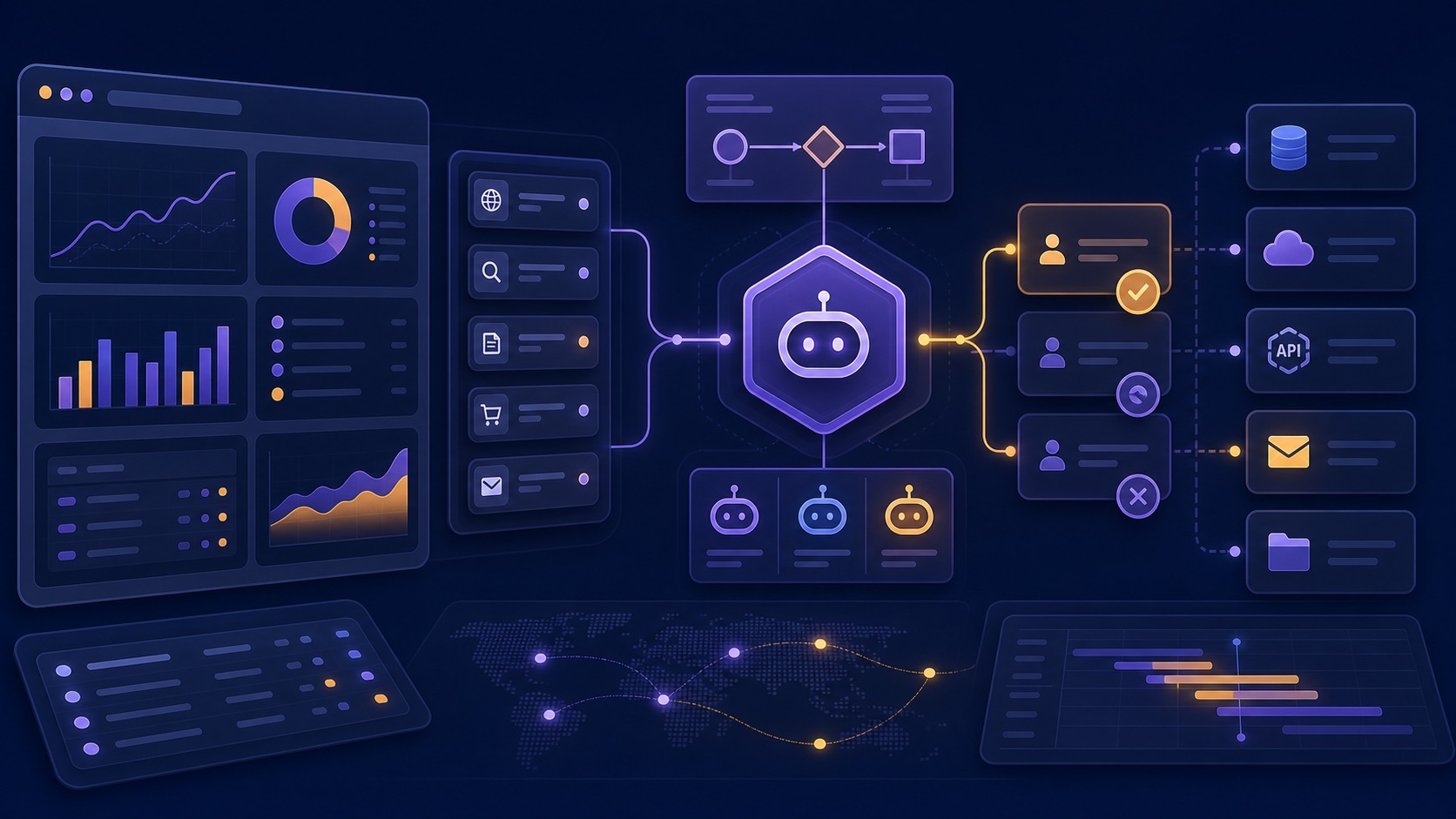
Compare AI browser agents for operations teams across authenticated systems, exception handling, approvals, auditability, and recovery.
 Copy Prompt

