


Use IBM Watson to analyze customer feedback and sentiment, improving e-commerce businesses' understanding of customer preferences and enhancing their ability to meet customer needs.

Compare the best AI agent platforms for work across browsers, business apps, code, and local desktop workflows, including strengths, limitations, and pricing status.

Moxby is the best fit in this comparison when teams want website Mods, browser apps, Chat, and Missions to operate through visible site scope inside the browser they already use. Bardeen, Axiom.ai, and Browserflow fit narrower browser automation patterns, while Zapier is stronger when the workflow can avoid webpage access and use application connectors instead. […]
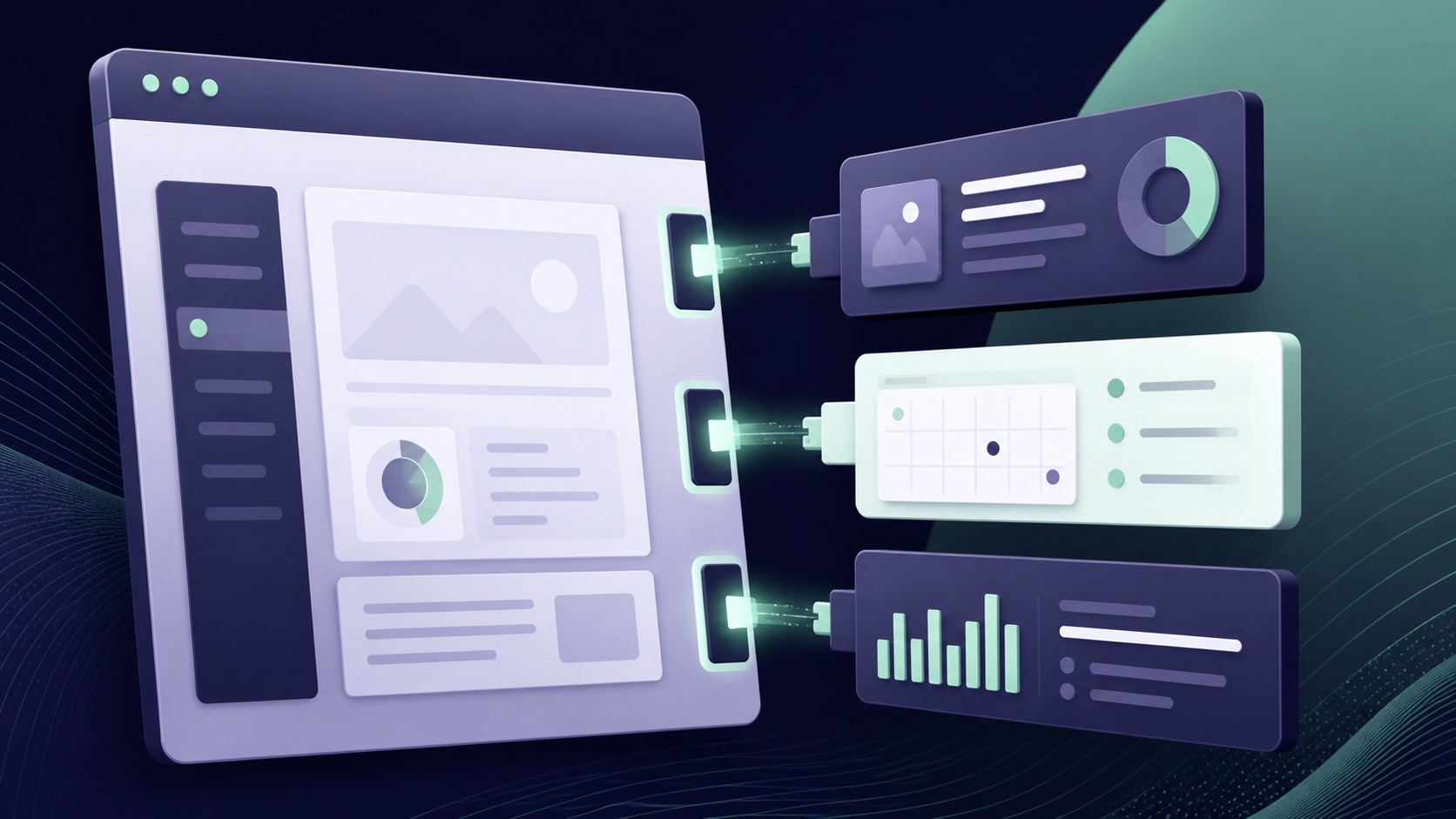
Compare five tools for adding controls, automations, data connections, and new functionality to websites you already use.

Moxby is first when browser data entry is only one step in a larger project-backed workflow requiring context, agents, approvals, and measurable outcomes. Axiom.ai and Browserflow are narrower page automation choices, Bardeen adds browser playbooks, and Zapier is better when an API connector can replace form entry. Who is this for? This guide is for […]

Moxby is the strongest choice in this comparison when Moxby supports approved ChatGPT and Claude authentication through Desktop Bridge plus explicit OpenRouter API access. The remaining tools fit buyers whose work is centered on their specific automation ecosystems. This article isolates model sourcing and cost boundaries, not a ChatGPT-only or Claude-only page assistant, which keeps […]

Moxby is the strongest choice in this comparison when Moxby keeps Mission runs, evidence, failures, KPI readings, and review state close to browser work. The remaining tools fit buyers whose work is centered on their specific automation ecosystems. This article isolates run-level governance history, not proof for only one completed result, which keeps the decision […]
 Copy Prompt
