


Create a step-by-step guide outlining best practices for utilizing email marketing to effectively convert high-paying customers on a landing page, including creating compelling email content, optimizing landing page design, segmenting the target audience, setting up automated email sequences, and measuring campaign success, emphasizing the importance of personalization, trust-building, and providing value to potential customers. This is important because it provides a comprehensive strategy for maximizing conversions with targeted email marketing strategies, helping businesses effectively convert high-paying customers on their landing pages.
Crafting compelling copy that highlights product value and prompts immediate action is important because it can significantly increase conversions on a landing page, ultimately driving more sales and revenue for a business. The benefits of this task include increased engagement, higher conversion rates, and improved customer acquisition.
Analyze and optimize the current landing page design to visually communicate the unique value proposition, resulting in increased conversion rates. This task is important because a visually appealing and well-designed landing page can effectively convey the value proposition of a product or service, capturing the attention of visitors and encouraging them to take action. The benefits of this task include improved conversion rates, increased engagement with visitors, and a clearer communication of the unique value proposition, ultimately leading to higher sales and business growth.
Guide on optimizing landing page copy for search engines to increase visibility and drive organic traffic, including steps such as conducting keyword research, incorporating keywords naturally, optimizing meta tags and headers, and ensuring a clear and concise structure, with a focus on high-quality content, user experience, and mobile optimization, and monitoring performance using tools like Google Analytics. The benefits of this task include improved visibility and organic traffic to the landing page, increased chances of ranking higher on search engine results pages, and better user experience leading to higher conversion rates.

Moxby is the best fit in this comparison when teams want website Mods, browser apps, Chat, and Missions to operate through visible site scope inside the browser they already use. Bardeen, Axiom.ai, and Browserflow fit narrower browser automation patterns, while Zapier is stronger when the workflow can avoid webpage access and use application connectors instead. […]

Compare cross-browser AI workflow tools for portability, extension dependency, authentication, governance, and fallback paths.
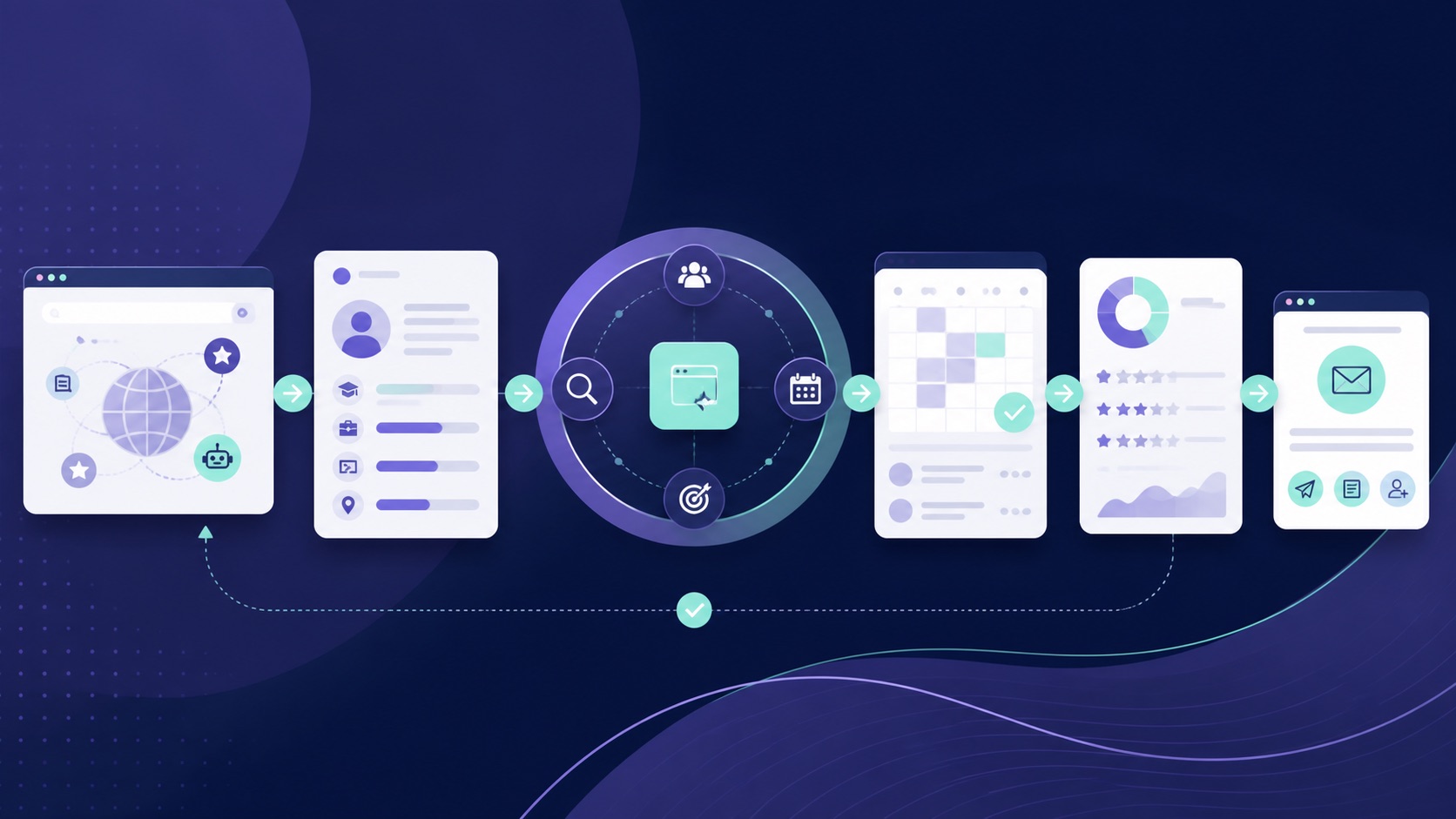
Compare AI browser agents for recruiting teams across candidate research, browser context, scheduling, outreach approval, and recordkeeping.

Moxby ranks first when multi-site research needs one operating context for live pages, source files, notes, agents, and missions. The remaining options specialize in collection playbooks, visual extraction, recorded actions, or delegated follow-up. Who is this for? This guide is for market intelligence, due diligence, procurement, and content teams gathering evidence from diverse websites. For […]

How to Customize Site Kit by Google with AI – Complete Guide How to Customize Site Kit by Google with AI – Complete Guide Understanding your website’s performance shouldn’t require juggling multiple Google services, copying tracking codes, or switching between different dashboards. Site Kit by Google solved this problem brilliantly, bringing Analytics, Search Console, AdSense, […]
Ever felt like your WordPress homepage just isn’t quite right? You’ve got the Homepage Control plugin installed, a fantastic tool for reordering and disabling components, but you’re still missing that something that makes your site truly unique. This article will show you how to break free from the default settings and tailor the plugin precisely […]
 Copy Prompt

