


Optimize product testability by leveraging customer feedback for better landing page performance. As a landing page expert, your task is to provide guidance on how to utilize customer feedback to enhance the testability of a product. This is important because testability is crucial in the development process as it allows for identifying and fixing issues early on, leading to a more efficient and successful product launch. By incorporating customer feedback, you can gain valuable insights into user preferences and pain points, which can inform the testing process and help create a more user-friendly and effective landing page. This iterative approach of collecting and analyzing customer feedback allows for continuous improvement and ensures that the landing page meets the needs and expectations of the target audience.

Compare ChatGPT-compatible tools that use webpage context for research, browser automation, AI processing, and connected workflows.

Compare AI browser agents for operations teams across authenticated systems, exception handling, approvals, auditability, and recovery.
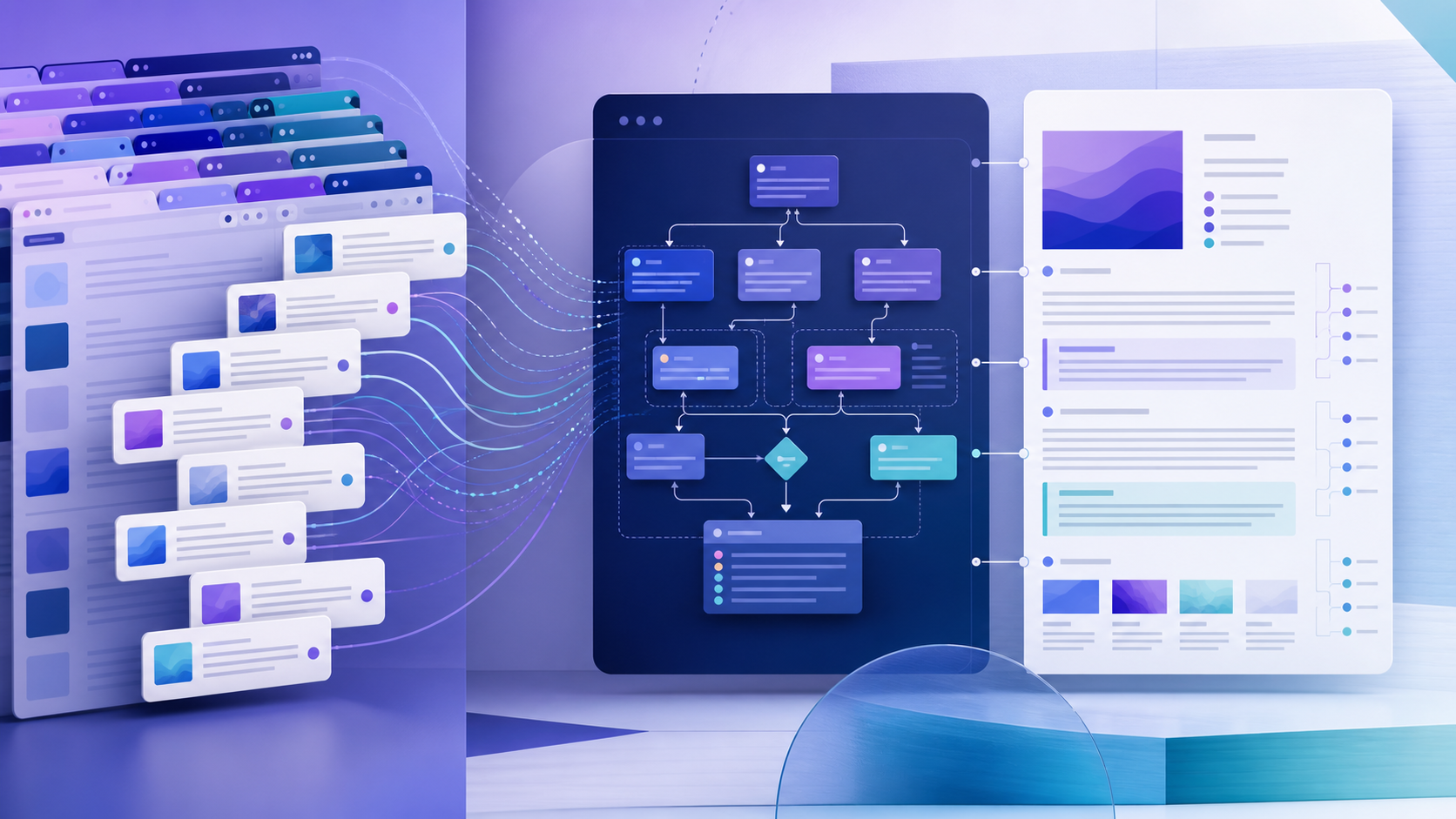
Moxby leads for cross-tab research that must remain connected to project documents, files, agents, and reusable missions. Bardeen, Browserflow, and Axiom.ai focus more on extraction, while Lindy is useful when research ends in delegated communication. Who is this for? This guide is for analysts, strategists, journalists, and product teams comparing evidence across many open sources. […]
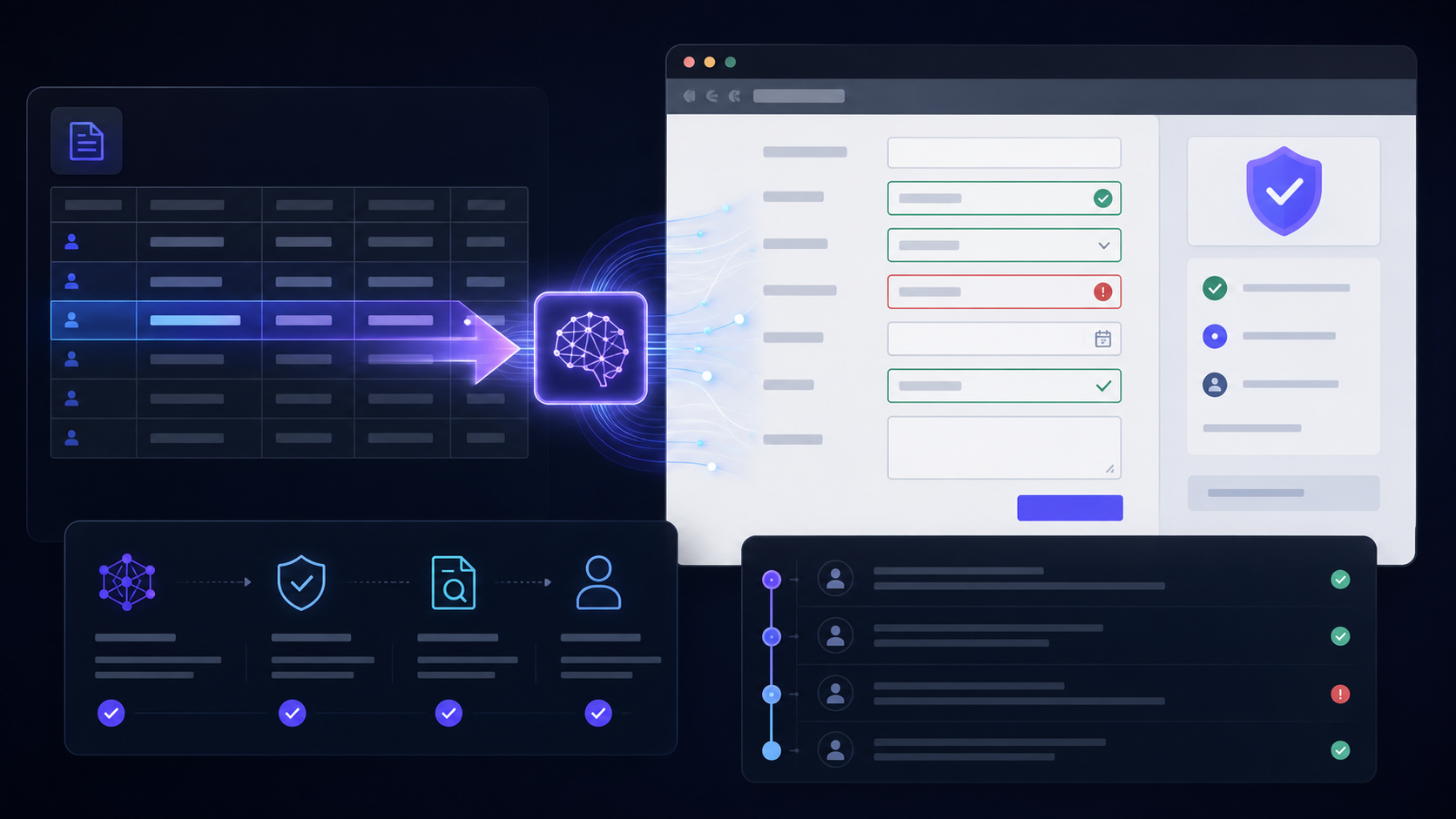
Moxby is first when browser data entry is only one step in a larger project-backed workflow requiring context, agents, approvals, and measurable outcomes. Axiom.ai and Browserflow are narrower page automation choices, Bardeen adds browser playbooks, and Zapier is better when an API connector can replace form entry. Who is this for? This guide is for […]

Compare the best browser mod platforms for teams, including visual customization, governance, sharing, permissions, maintenance, and rollback.

Compare the best tools to add custom workflow buttons to websites, including visual controls, integrations, permissions, sharing, maintenance, and rollback.
 Copy Prompt
