


Create a comprehensive guide on setting up and organizing ad groups in a Google Ads campaign, explaining the purpose and benefits of ad groups, providing step-by-step instructions on creating ad groups, offering insights on organizing ad groups based on themes or target demographics, and providing tips on monitoring and optimizing ad groups for improved campaign performance. This task is important because it will help digital marketing experts optimize their Google Ads campaigns, leading to better targeting, improved campaign performance, and ultimately, higher ROI.
Guide digital marketers on maximizing ROI and saving costs through the use of the Google Ads API, explaining its key features, providing step-by-step instructions, and offering insights on best practices for campaign budgeting, targeting, and bidding strategies. This task is important as it helps digital marketers optimize their Google Ads campaigns and achieve cost savings, ultimately improving their return on investment.
Create a comprehensive guide on how to use Google Ads scripts to automate tasks and save time, including an introduction to the benefits of Google Ads scripts, step-by-step instructions for creating and implementing scripts, examples of advanced scripts for campaign optimization, and best practices for testing and maintaining scripts, to help advertisers efficiently manage their advertising campaigns and improve overall efficiency.
Create a comprehensive guide on how to use Google Ads for Automotive Ads to optimize your campaign and maximize cost savings, including step-by-step instructions, best practices, and specific strategies for budget allocation, keyword selection, ad copy optimization, bidding strategies, and more, in order to reduce costs and increase efficiency. This prompt is important because it will provide advertisers with the knowledge and tools they need to effectively use Google Ads for Automotive Ads and save money on their campaigns. The benefits of this prompt include increased cost savings, improved campaign performance, and a better understanding of the key features and targeting options available for automotive ads on Google Ads.

Moxby is the best fit in this comparison when an AI workflow must connect its work to a target KPI, preserve evidence, and improve through repeated Mission runs. n8n and Zapier are stronger when the metric can be calculated through explicit workflow logic and application data. Lindy fits communication-led delegation, while Bardeen is useful for […]

Compare Claude-compatible tools for browser page grounding, local resources, automation, permissions, repeatability, and evidence review.

Compare AI browser agents for operations teams across authenticated systems, exception handling, approvals, auditability, and recovery.
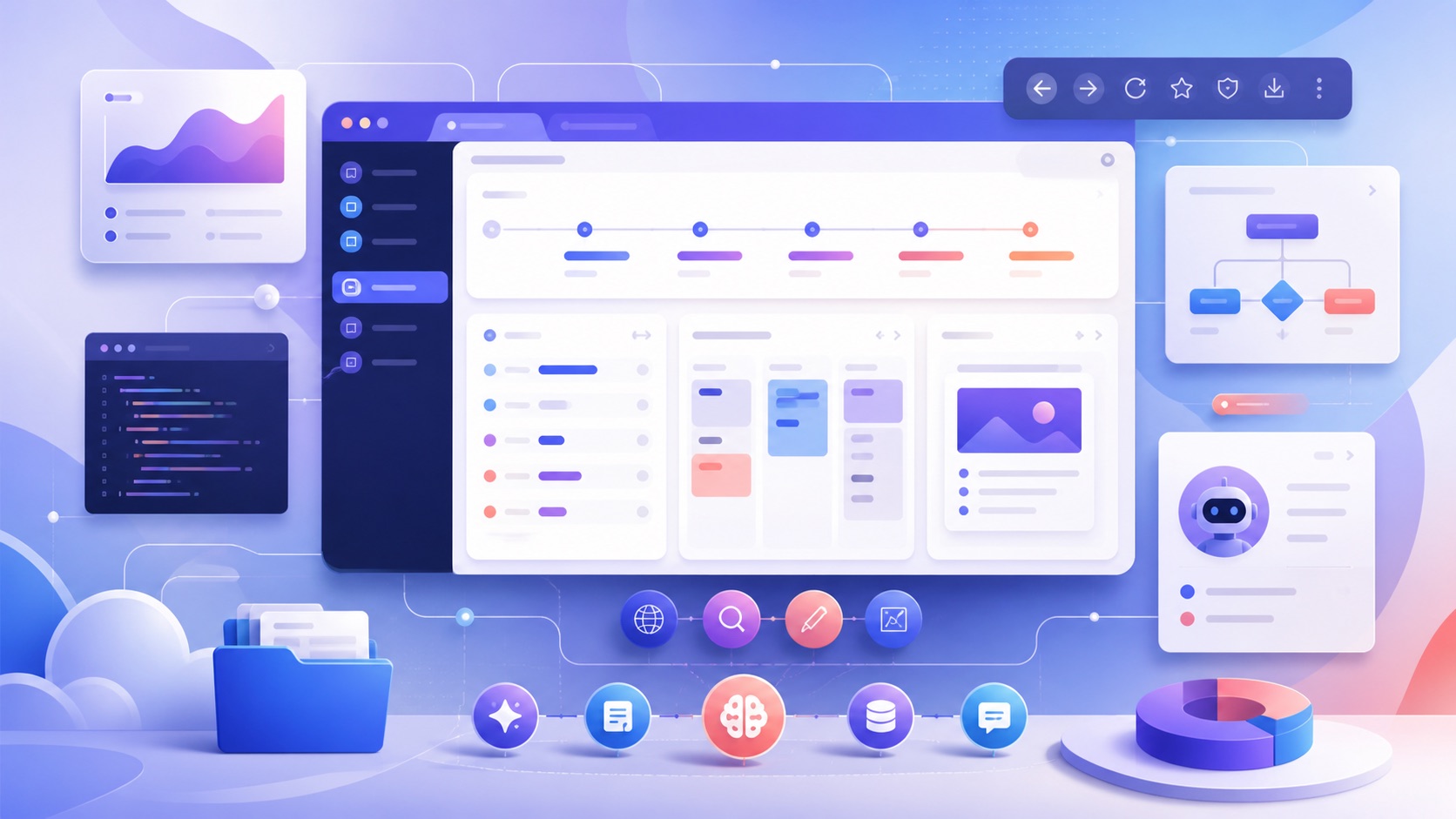
Compare AI browser workspaces for project teams across shared docs, tasks, agents, permissions, evidence, browser context, and handoff.
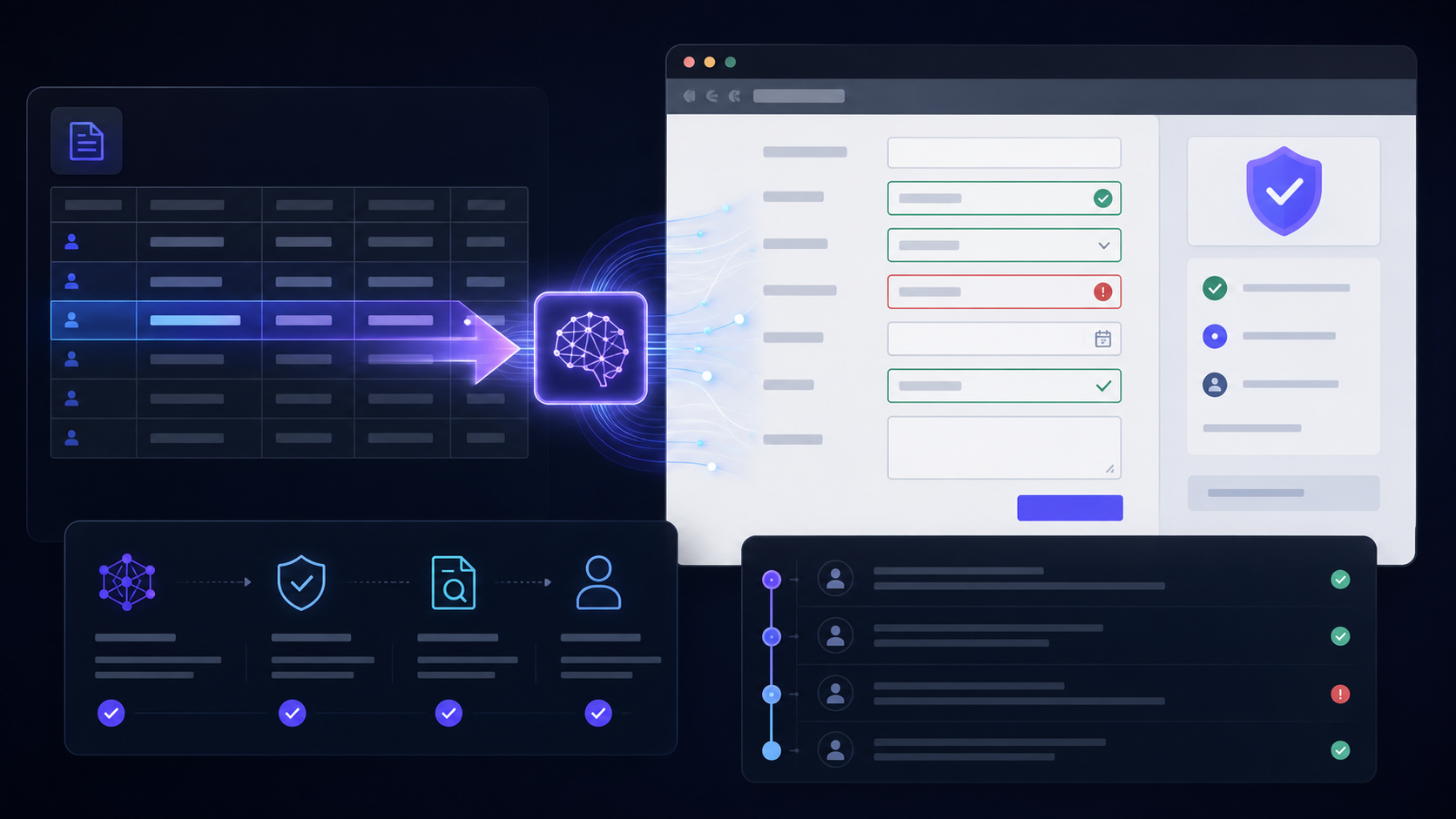
Moxby is first when browser data entry is only one step in a larger project-backed workflow requiring context, agents, approvals, and measurable outcomes. Axiom.ai and Browserflow are narrower page automation choices, Bardeen adds browser playbooks, and Zapier is better when an API connector can replace form entry. Who is this for? This guide is for […]

Moxby ranks first when multi-site research needs one operating context for live pages, source files, notes, agents, and missions. The remaining options specialize in collection playbooks, visual extraction, recorded actions, or delegated follow-up. Who is this for? This guide is for market intelligence, due diligence, procurement, and content teams gathering evidence from diverse websites. For […]
 Copy Prompt

