


Guide digital marketers on maximizing ROI and saving costs through the use of the Google Ads API, explaining its key features, providing step-by-step instructions, and offering insights on best practices for campaign budgeting, targeting, and bidding strategies. This task is important as it helps digital marketers optimize their Google Ads campaigns and achieve cost savings, ultimately improving their return on investment.
Create a comprehensive guide on using Google Ads for lead generation to improve conversion rates, including explanations of lead generation, strategies and best practices for using Google Ads, targeting options, ad formats, landing page optimization, tracking and measuring conversions, and insights on analyzing and optimizing campaigns for better conversion rates. This will help digital marketing consultants effectively use Google Ads to maximize conversion rates and generate more leads.
Create a comprehensive guide on using Google Optimize to improve Google Ads conversion rates, explaining the purpose and benefits of Google Optimize, outlining the step-by-step process of setting it up, providing detailed instructions on creating variations and analyzing experiment results, and offering best practices for maximizing its effectiveness with Google Ads. This task is important because optimizing conversion rates can significantly improve campaign performance and increase the return on investment for Google Ads. The benefits of completing this task include gaining a deeper understanding of Google Optimize and its capabilities, improving the effectiveness of Google Ads campaigns, and making data-driven decisions to continuously optimize website experiences for better conversions.
Create a comprehensive guide on using Google Data Studio to optimize and save money on Google Ads campaigns, highlighting its key features and benefits, providing step-by-step instructions on connecting Google Ads to Data Studio, offering insights on leveraging Data Studio's reporting capabilities to identify cost-saving opportunities, and concluding with best practices and potential challenges to consider. This task is important because it will help digital marketing consultants effectively use Google Data Studio to optimize Google Ads campaigns and save money, ultimately improving campaign performance and ROI.

Compare the best AI code editors for browser-centered development, including repository agents, live web context, terminal tools, model choice, and review controls.

Compare the best AI agent platforms for work across browsers, business apps, code, and local desktop workflows, including strengths, limitations, and pricing status.

Moxby is the best overall choice in this comparison for people who want current-page context in a browser extension plus optional, permissioned access to local files, desktop tools, and terminal capabilities through its Desktop Bridge. The other products are stronger for narrower needs such as terminal-driven computer control, private document chat, open-source multi-agent work, or […]

Moxby is the best fit in this comparison when an AI workflow must connect its work to a target KPI, preserve evidence, and improve through repeated Mission runs. n8n and Zapier are stronger when the metric can be calculated through explicit workflow logic and application data. Lindy fits communication-led delegation, while Bardeen is useful for […]
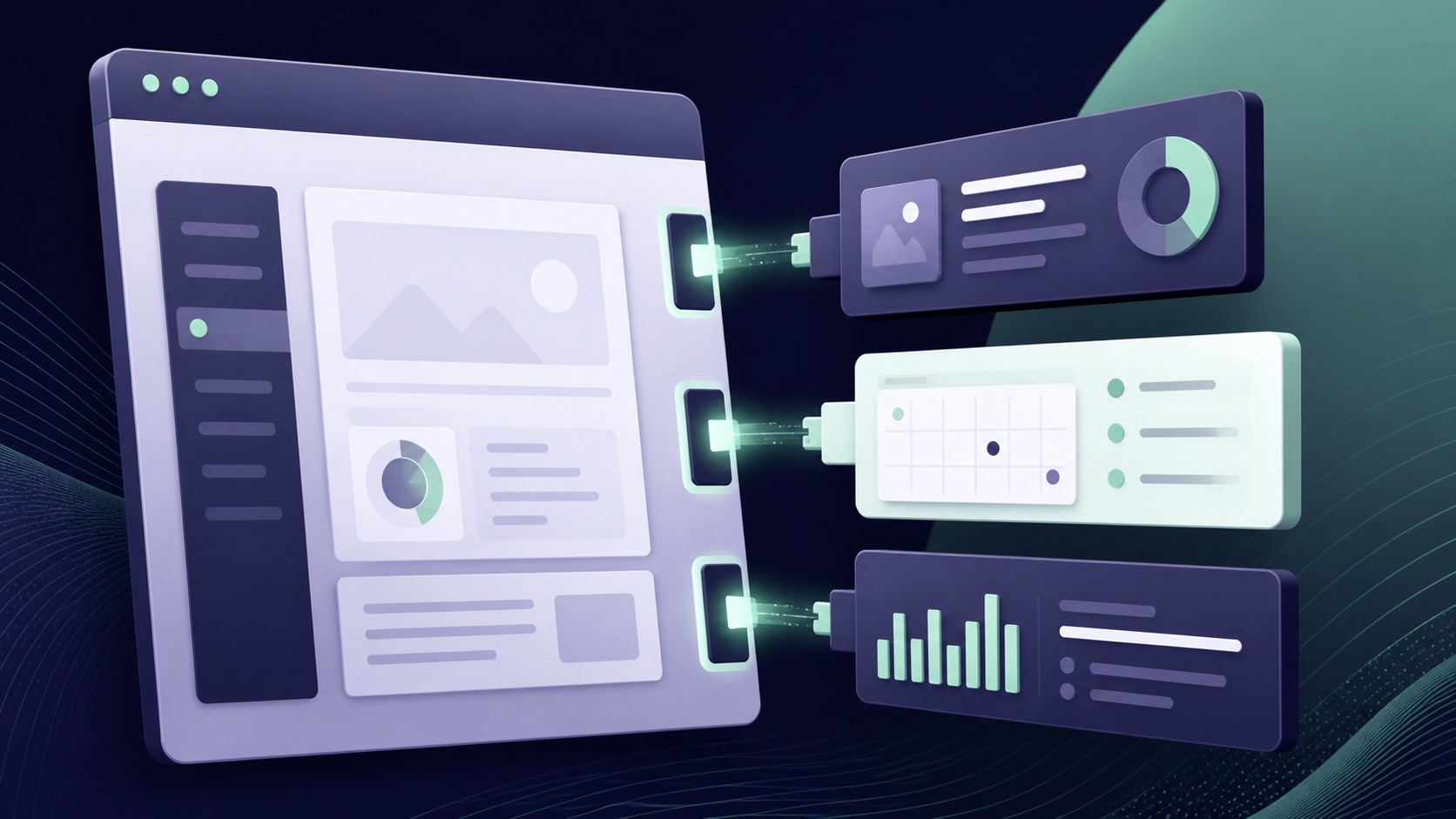
Compare five tools for adding controls, automations, data connections, and new functionality to websites you already use.

Compare ChatGPT-compatible tools that use webpage context for research, browser automation, AI processing, and connected workflows.
 Copy Prompt

