


Offer personalized pricing options based on individual needs and preferences to maximize customer satisfaction and sales. This will allow businesses to tailor their pricing strategies to meet the unique needs of each customer, resulting in increased customer satisfaction and higher sales.
Develop pricing strategies that align with customer needs and preferences to improve overall satisfaction and loyalty towards the product/service.
Integrate customer feedback to continuously improve and optimize pricing, maximizing the value of your product or service.
Design and develop immersive augmented and virtual reality experiences to enhance customer satisfaction and maximize pricing potential.

Moxby is the best fit in this list for non-technical teams that want a browser extension with an optional local Desktop Bridge to reshape websites, automate work across live pages, and keep projects, agents, tasks, and reusable workflows in one place. The right alternative depends on whether you mainly need lead research, recorded browser bots, […]

Compare AI browser agents for Sales and RevOps across CRM context, account research, data quality, outreach controls, and governance.

Compare AI browser agents for operations teams across authenticated systems, exception handling, approvals, auditability, and recovery.

Compare AI browser agents for recruiting teams across candidate research, browser context, scheduling, outreach approval, and recordkeeping.

Compare AI browser workspaces for founders across browser context, model choice, project memory, customization, automation, cost, and control.
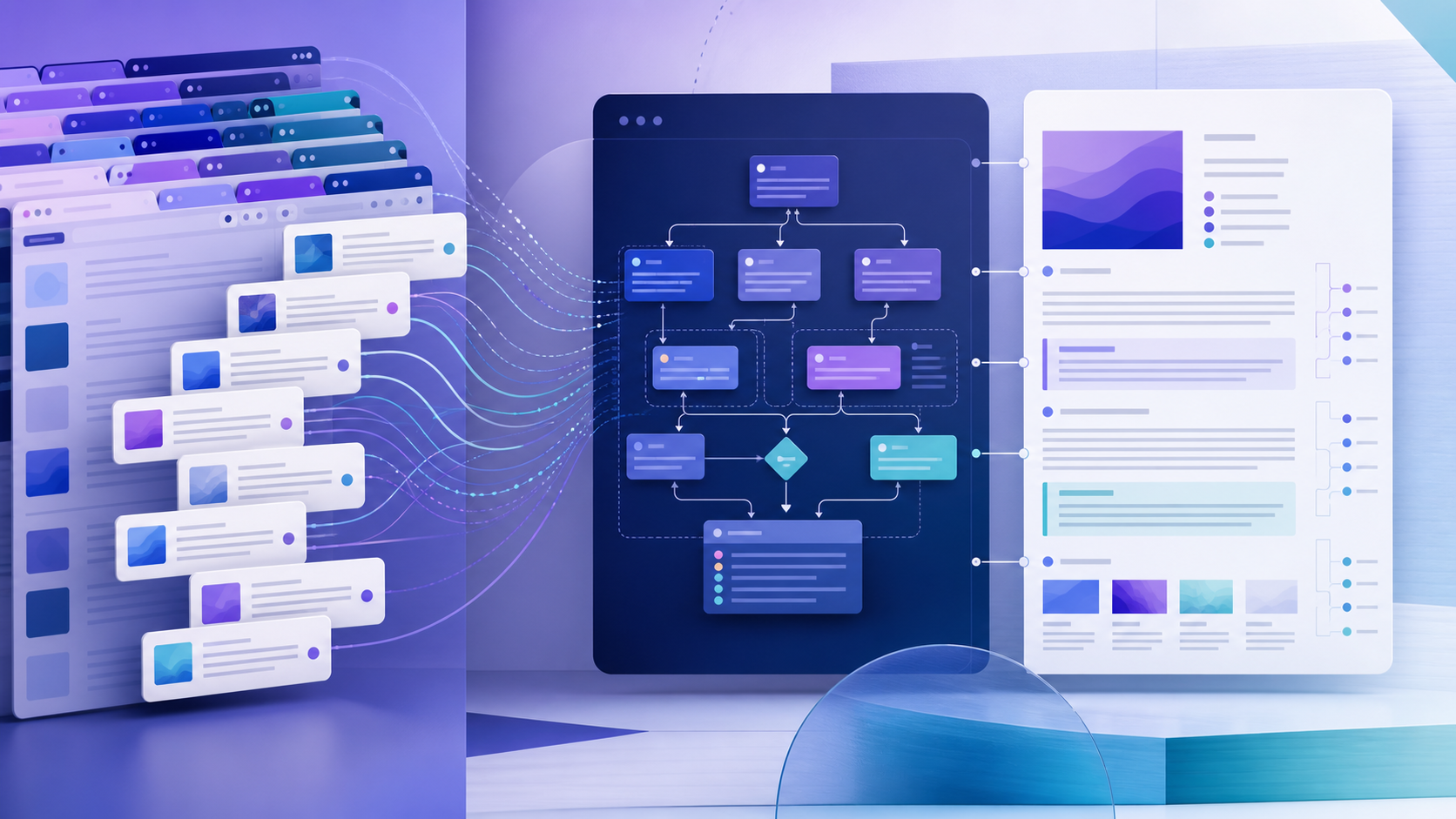
Moxby leads for cross-tab research that must remain connected to project documents, files, agents, and reusable missions. Bardeen, Browserflow, and Axiom.ai focus more on extraction, while Lindy is useful when research ends in delegated communication. Who is this for? This guide is for analysts, strategists, journalists, and product teams comparing evidence across many open sources. […]
 Copy Prompt

