


Develop value-driven pricing strategies to increase customer satisfaction and profitability, which will help businesses optimize their pricing models and attract more customers.
Develop a comprehensive marketing strategy that utilizes modern technology and design to enhance brand perception and attract premium customers, while also incorporating effective pricing strategies.
Implement strategic upselling and cross-selling techniques to maximize revenue, which will increase customer satisfaction and boost overall profitability.
Develop data-driven pricing strategies to optimize sales by analyzing customer behavior and utilizing analytics. This task is important as it allows businesses to make informed pricing decisions that can lead to increased sales and profitability. The benefits of this include maximizing revenue, improving customer satisfaction, and gaining a competitive advantage in the market.
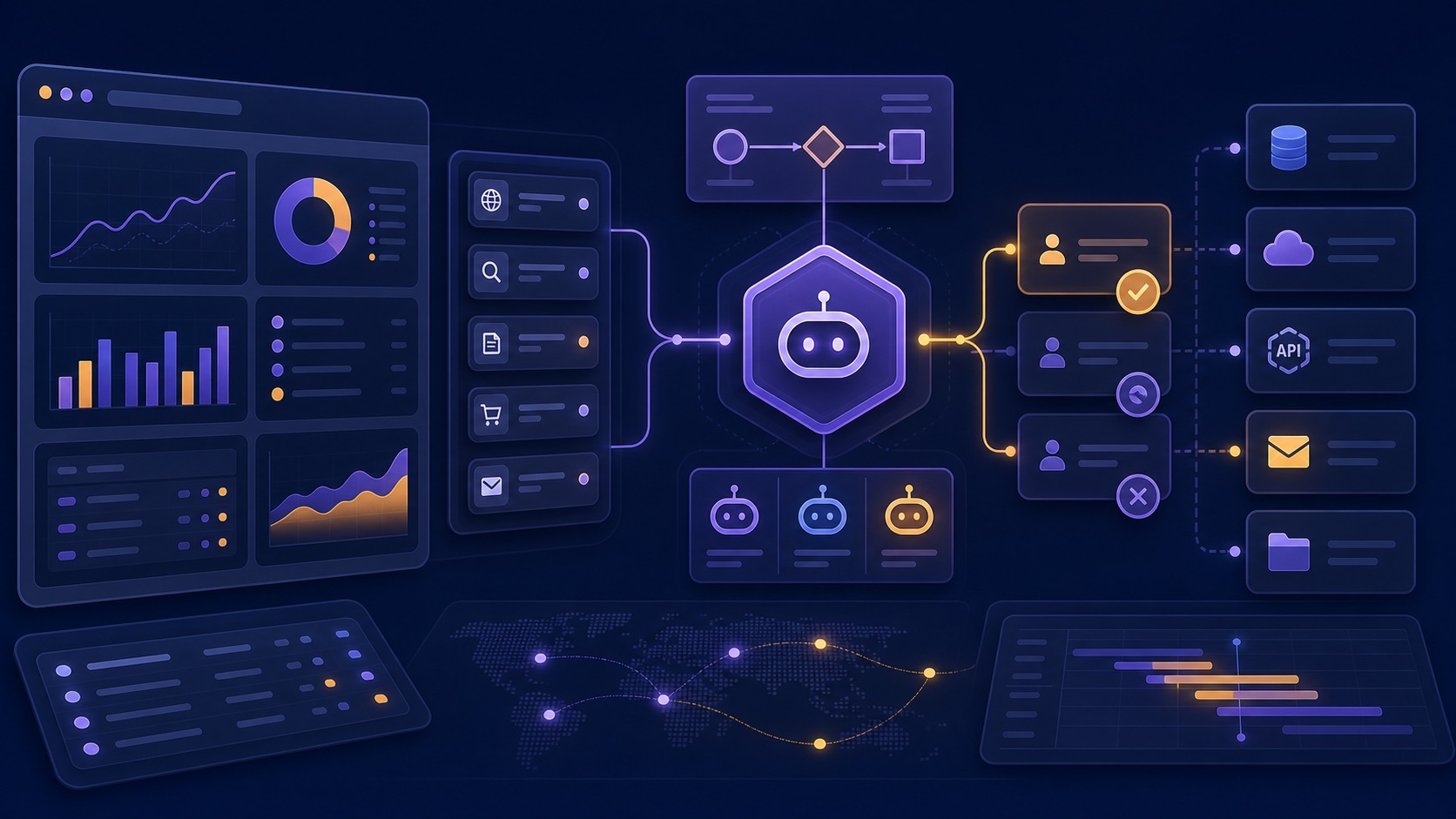
Compare AI browser agents for operations teams across authenticated systems, exception handling, approvals, auditability, and recovery.
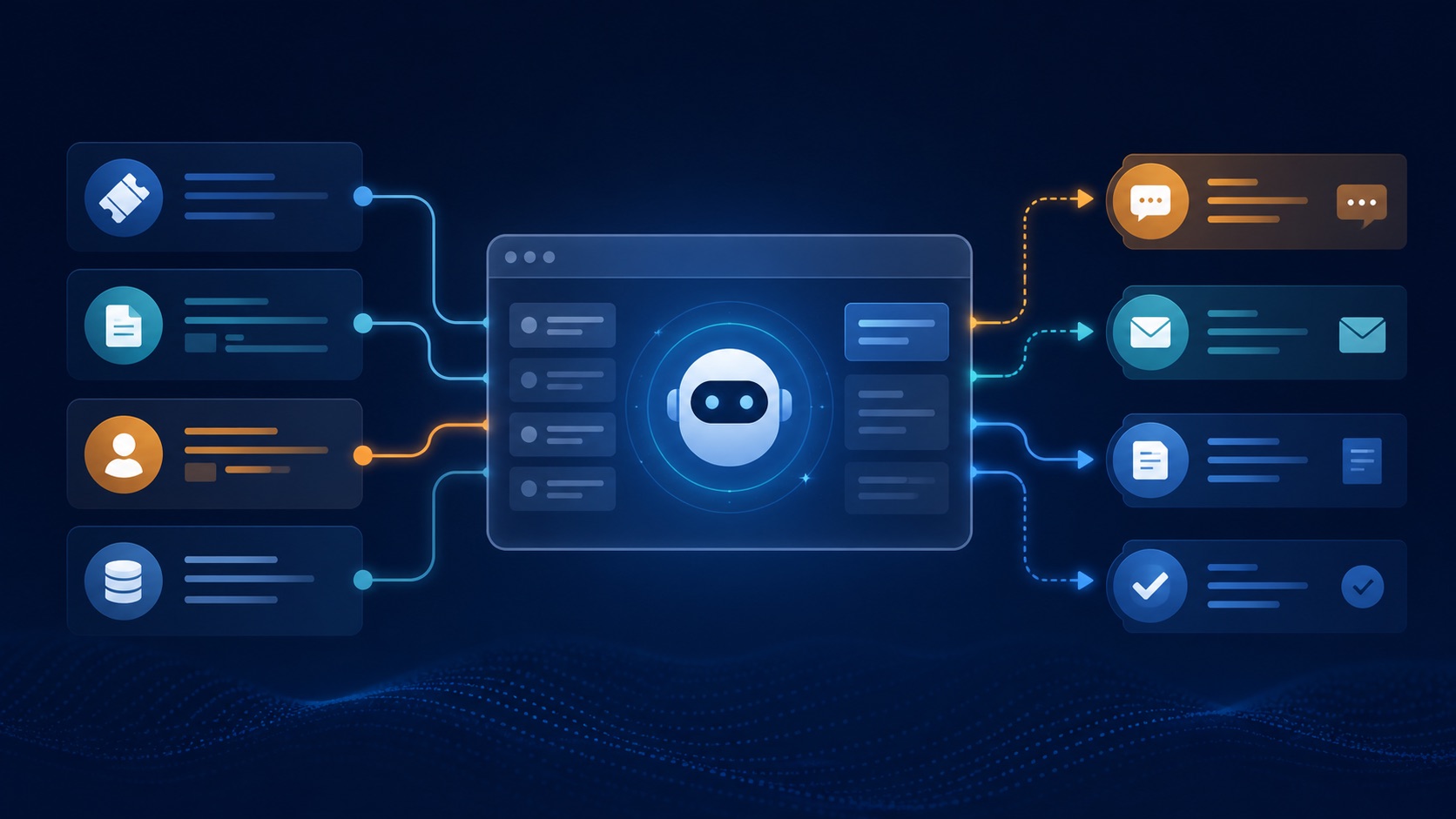
Compare AI browser agents for support teams across ticket context, knowledge access, account actions, approvals, escalation, and audit history.
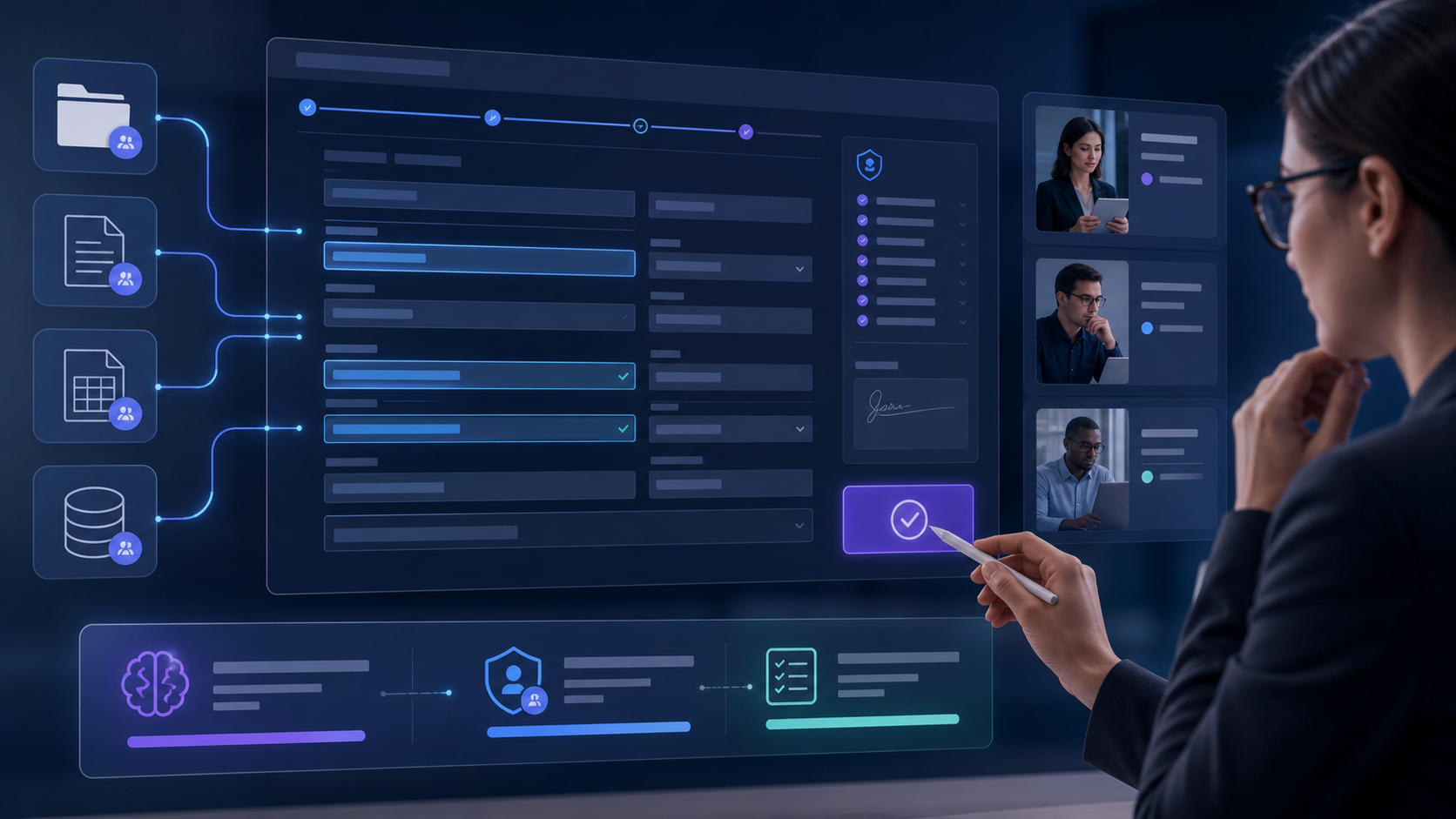
Moxby ranks first when a form is embedded in a project workflow with supporting files, policies, agents, and outcome verification. Axiom.ai and Browserflow suit stable forms, Bardeen supports browser playbooks, and Zapier is preferable when forms expose integrations. Who is this for? This guide is for operations, HR, finance, compliance, and customer teams completing recurring […]
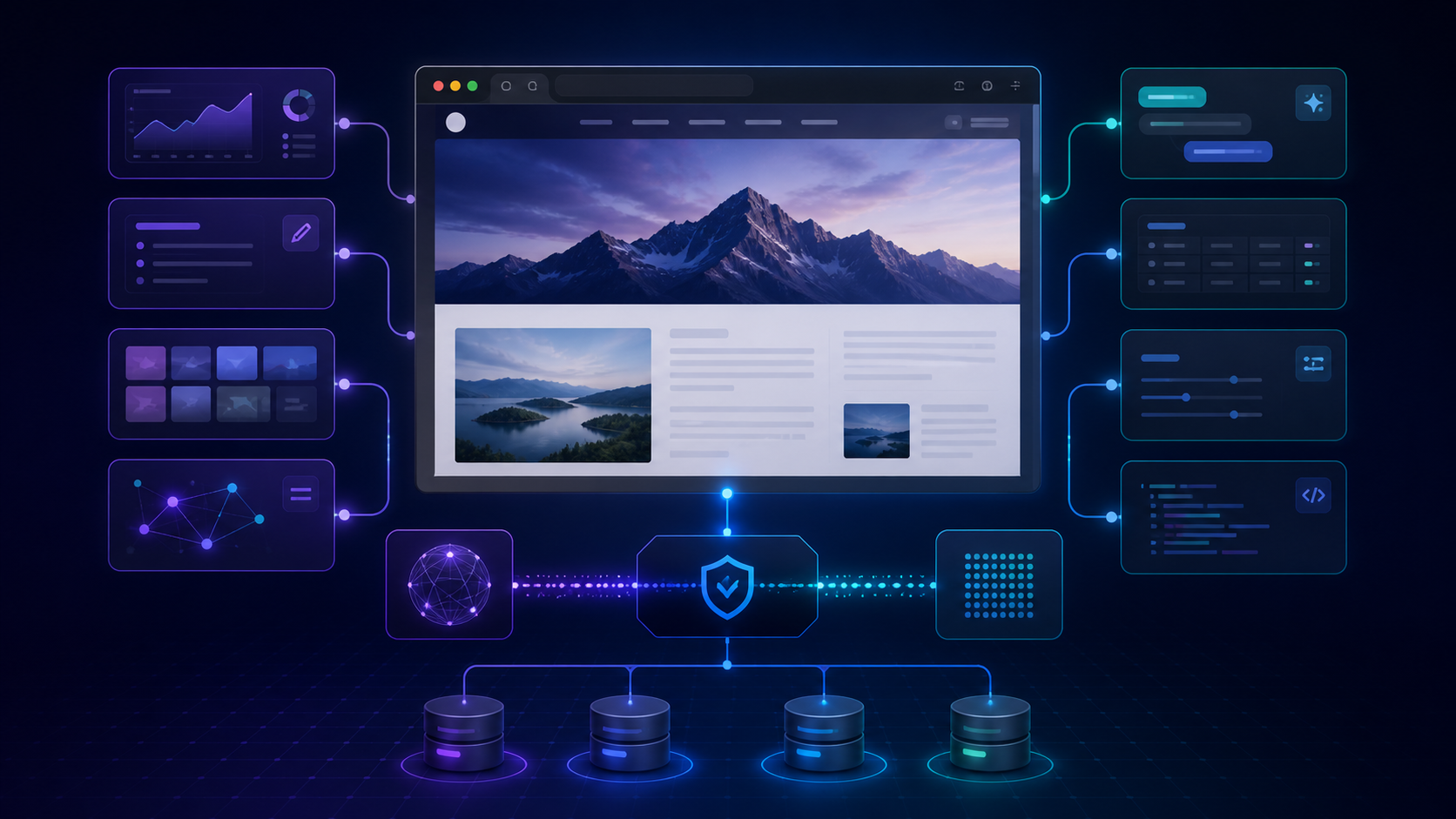
Compare the best browser app platforms for existing websites, including customization, live page context, integrations, permissions, collaboration, and maintenance.
Compare the best tools to add custom workflow buttons to websites, including visual controls, integrations, permissions, sharing, maintenance, and rollback.

Moxby is the strongest choice in this comparison when Moxby keeps Mission failures and recovery context beside the browser workflow and approval boundary. The remaining tools fit buyers whose work is centered on their specific automation ecosystems. This article isolates classification and routing of exceptions, not repeated attempts, which keeps the decision distinct from the […]
 Copy Prompt

