


Create a comprehensive step-by-step guide on leveraging the false-uniqueness effect to effectively sell to high-paying clients on a landing page, including an introduction to the concept, understanding the target audience, analyzing unique selling points, crafting persuasive messaging, incorporating social proof, designing an attention-grabbing landing page, and testing for optimization; this is important because it will help conversion experts increase conversions and attract high-paying clients.
Advise a business owner on leveraging the emotion of community to attract high-paying clients on their landing page, by providing specific strategies, techniques, and examples that incorporate testimonials, social proof, user-generated content, and interactive elements to foster a sense of belonging and exclusivity, while also guiding them on creating a compelling call-to-action that aligns with the community-focused messaging. The benefits of this task include increased sales and revenue through the effective utilization of community to attract and convert high-paying clients.
Increase revenue by leveraging upselling and cross-selling techniques to convert high-paying customers on your landing page. As a conversion expert, your task is to provide guidance on using upselling and cross-selling techniques to convert high-paying customers on a landing page, highlighting the benefits of these techniques in increasing revenue and customer satisfaction, and providing specific strategies and best practices for implementation, including personalized product recommendations, bundle offers, limited-time promotions, and effective communication of the value proposition, as well as emphasizing the importance of tracking and analyzing data to optimize efforts.
Guide someone on using heatmaps to optimize landing page conversions by explaining what heatmaps are, how to select and install a heatmap tool, and how to analyze and address issues with their landing page's call-to-action, ultimately improving user engagement. The benefits of this task include increased conversion rates, improved user experience, and a better understanding of user behavior on the landing page.

Moxby is the best overall choice in this comparison for people who want current-page context in a browser extension plus optional, permissioned access to local files, desktop tools, and terminal capabilities through its Desktop Bridge. The other products are stronger for narrower needs such as terminal-driven computer control, private document chat, open-source multi-agent work, or […]

Compare no-code userscript alternatives for website customization, browser automation, sharing, permissions, maintenance, and rollback.

Compare cross-browser AI workflow tools for portability, extension dependency, authentication, governance, and fallback paths.

Compare AI browser workspaces for agencies across client separation, reusable workflows, customization, permissions, reporting, and handoff.
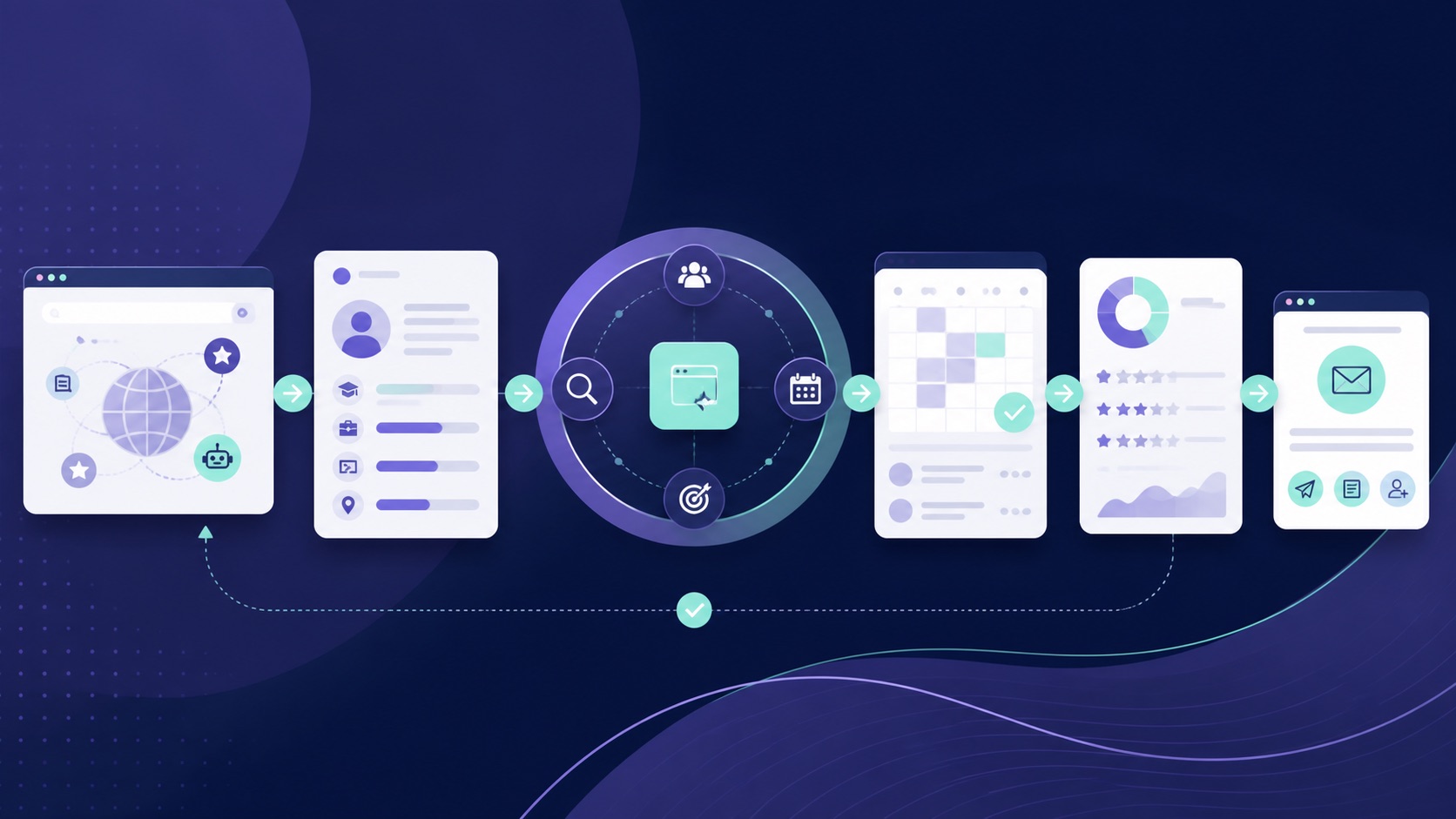
Compare AI browser agents for recruiting teams across candidate research, browser context, scheduling, outreach approval, and recordkeeping.

Moxby leads when monitoring must become a recurring mission tied to project evidence, agents, tasks, and KPIs. Browserflow and Axiom.ai suit stable extraction routines, Bardeen moves findings into work tools, and n8n orchestrates alert pipelines. Who is this for? This guide is for product marketing, strategy, sales enablement, and research teams tracking changing competitor pages. […]
 Copy Prompt

