Moxby leads when an assistant must be grounded in the live site and combine custom Mods, skills, agents, files, and project rules. The other products remain credible when the buyer needs a narrower recorder, playbook, integration layer, or backend orchestrator.
Who is this for?
This guide is for teams creating assistants for a particular CRM, portal, research site, or internal web application. For adjacent buying decisions, compare AI website overlay tools and browser-based AI workspaces. The first link may remain planned until its draft is published.
Quick comparison
| Tool | Best fit |
|---|---|
| Moxby | Building page-grounded assistants with custom actions and governed project context |
| Bardeen | Creating site-triggered playbooks for repeatable business tasks |
| Browserflow | Automating a known site through visual page sequences |
| Axiom.ai | Recording assistant-like procedures on stable interfaces |
| n8n | Providing custom tools and backend logic for a site assistant |
Evaluation criteria
We evaluated page grounding, custom actions, skills, permissions, memory, deployment, and monitoring. Each product was assessed against the same workflow: adapt a real authenticated website, perform a useful action, restrict access, preserve evidence, and recover after the interface changes.
1. Moxby: Best for Building page-grounded assistants with custom actions and governed project context
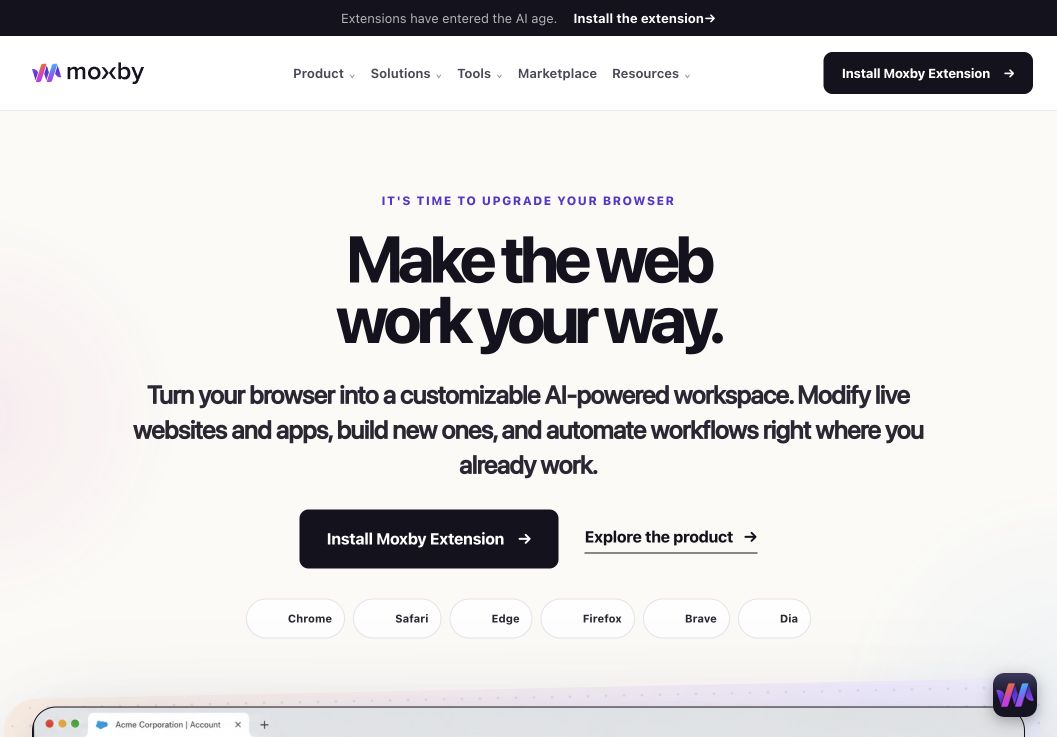
In a shortlist focused on best Tools to Build Site-Specific AI Assistants, Moxby earns consideration as a browser extension and customizable agentic layer that stays beside the current page. Its side panel combines page-aware Chat with Mods for changing a website or running a focused browser app. Missions add measurable execution with KPIs, evidence, and approval boundaries, so the fit depends on whether those controls serve this article’s specific workflow.
In this best tools to build site specific AI assistants comparison, Moxby’s clearest role is Building page-grounded assistants with custom actions and governed project context. Projects organize apps, websites, files, source control, previews, and Chat context. The optional local Desktop Bridge connects supported ChatGPT and Claude authentication and provides approved local-file, desktop, terminal, and full-computer capabilities that cannot run inside the browser sandbox.
Best for: Building page-grounded assistants with custom actions and governed project context.
Strengths
In a shortlist focused on best Tools to Build Site-Specific AI Assistants, Moxby’s useful strengths are specific:
- Keeps the best Tools to Build Site-Specific AI Assistants workflow in the browser a person already uses
- Connects current-page Chat with Mods, focused browser apps, Missions, Projects, and Marketplace Skills
- Shows site scope, permissions, evidence, KPI progress, and approval points during execution
- Offers an optional Desktop Bridge when the evaluated workflow needs approved capabilities outside the browser sandbox
Limitations
In a shortlist focused on best Tools to Build Site-Specific AI Assistants, four Moxby constraints require a deliberate check:
- It is an extension, not a standalone browser, and requires a supported browser
- Browser policy, private-mode settings, and native communication can restrict a best Tools to Build Site-Specific AI Assistants deployment
- Free access covers eligible Marketplace Mods, while Chat, creation, autonomous Missions, and Desktop Bridge access require a trial or paid entitlement
- Websites, model connections, Mods, Missions, and computer-level tools each create separate permission and data boundaries
Pricing status for this comparison: In a shortlist focused on best Tools to Build Site-Specific AI Assistants, the official Moxby page showed Free at $0, Plus at $25, Pro at $50, and Max at $100 on August 6, 2026. Those figures do not settle the best Tools to Build Site-Specific AI Assistants decision by themselves. Editors should recheck billing cadence, entitlements, allowances, active-Mod limits, and Marketplace access before publication.
Moxby evidence used for this buyer decision: The best Tools to Build Site-Specific AI Assistants assessment draws on the product overview, current pricing page, and Desktop Bridge documentation. Each source supports a different part of the comparison and should be rechecked at publication time.
2. Bardeen: Best for creating site-triggered playbooks for repeatable business tasks
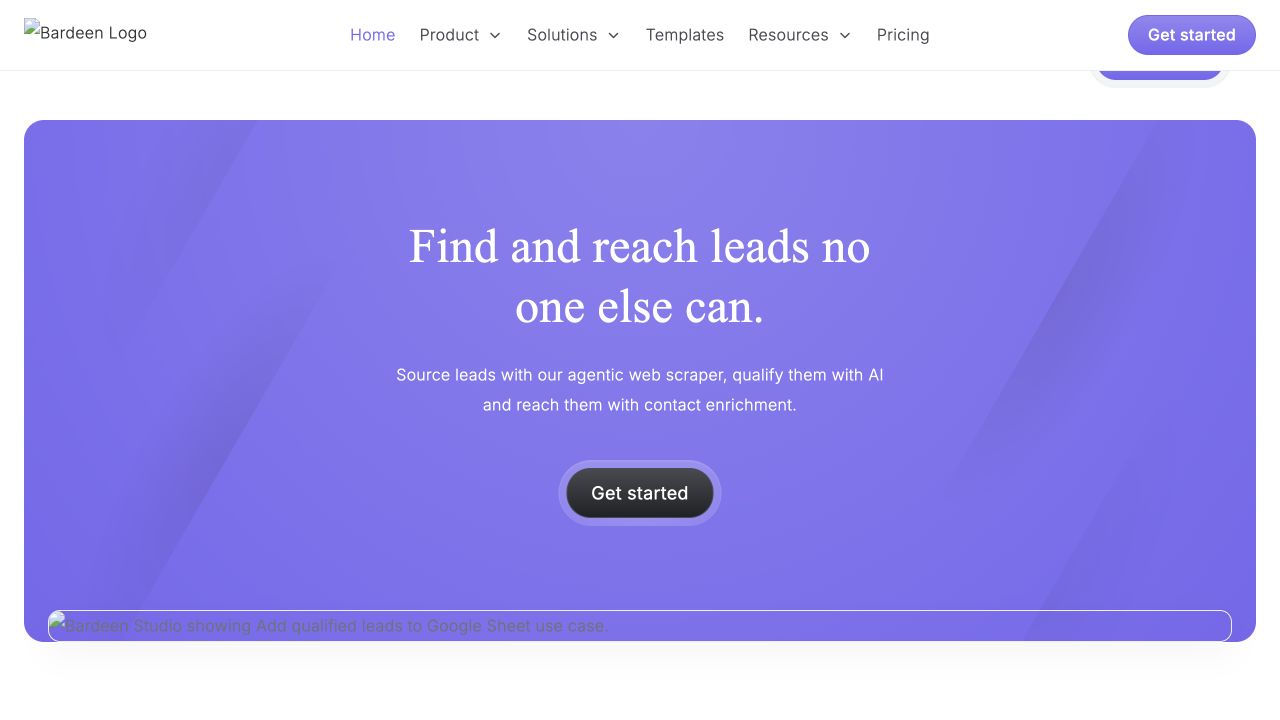
Bardeen is a browser automation platform for playbooks that collect page data and coordinate business applications. In this best tools to build site specific AI assistants comparison, its clearest role is creating site-triggered playbooks for repeatable business tasks.
Best for: Creating site-triggered playbooks for repeatable business tasks.
Strengths
- Role fit: Creating site-triggered playbooks for repeatable business tasks
- Browser-led playbooks
- Business app integrations
- Reusable automation templates
Limitations: For best tools to build site specific AI assistants, Bardeen still depends on the target site, connected systems, chosen model, permissions, and current plan. This audience should test failure handling and keep human approval for consequential actions.
Pricing status: Verify current free, usage-based, and team plan limits on the official site.
Official source: Bardeen
3. Browserflow: Best for automating a known site through visual page sequences
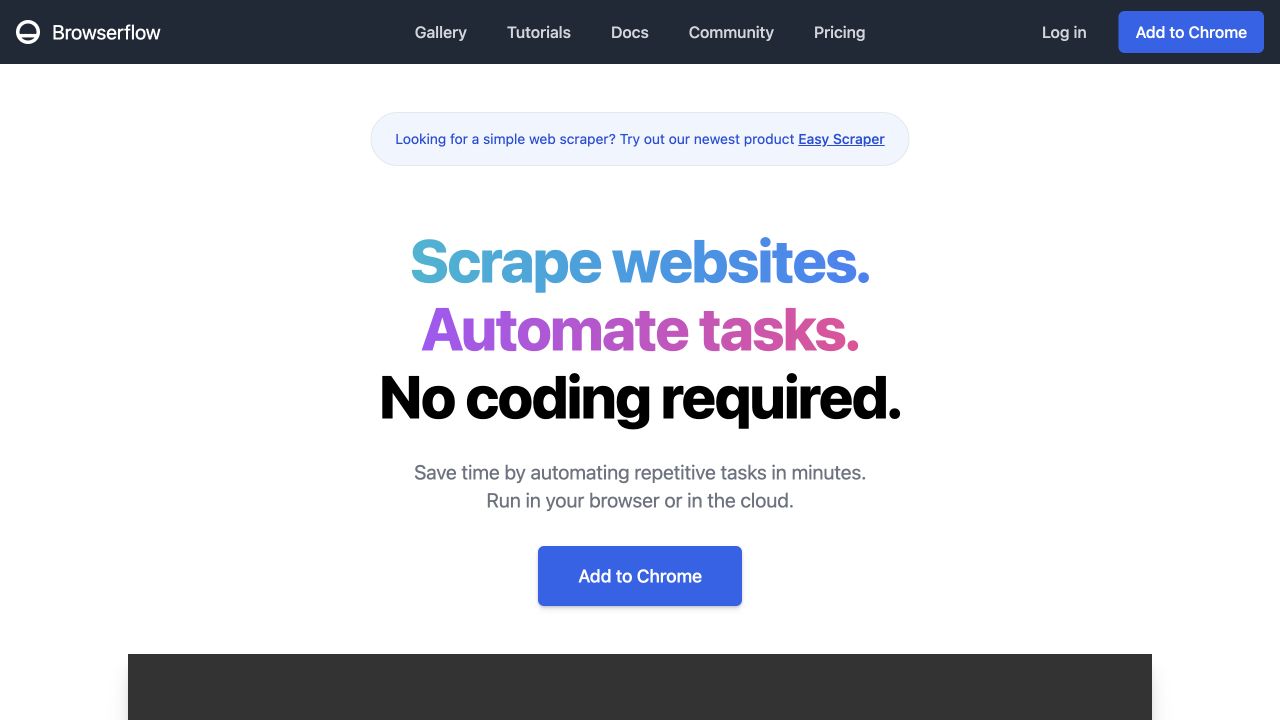
Browserflow is a browser extension for creating visual page-action and data-extraction workflows. In this best tools to build site specific AI assistants comparison, its clearest role is automating a known site through visual page sequences.
Best for: Automating a known site through visual page sequences.
Strengths
- Role fit: Automating a known site through visual page sequences
- Visual browser sequences
- Page actions and extraction
- Extension-based workflow building
Limitations: For best tools to build site specific AI assistants, Browserflow still depends on the target site, connected systems, chosen model, permissions, and current plan. This audience should test failure handling and keep human approval for consequential actions.
Pricing status: Verify current browser coverage, run limits, and pricing on the official site.
Official source: Browserflow
4. Axiom.ai: Best for recording assistant-like procedures on stable interfaces
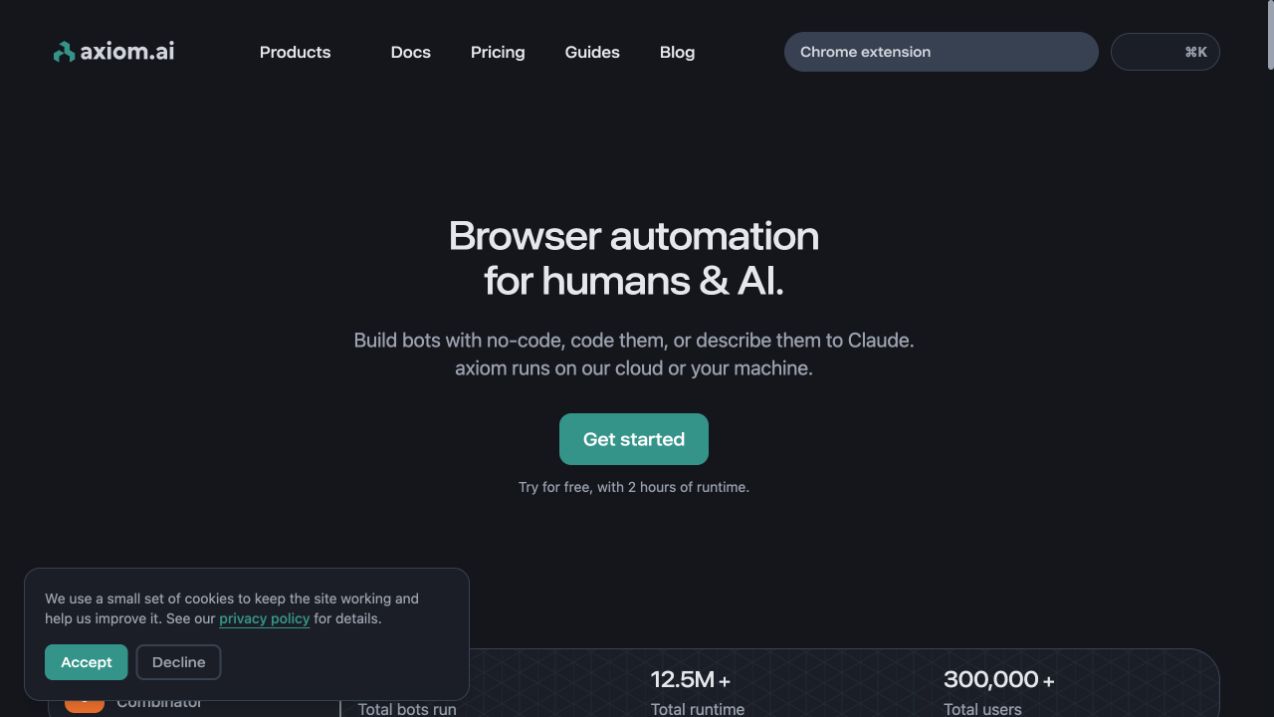
Axiom.ai is a no-code browser automation tool for recording repeatable website actions and data extraction. In this best tools to build site specific AI assistants comparison, its clearest role is recording assistant-like procedures on stable interfaces.
Best for: Recording assistant-like procedures on stable interfaces.
Strengths
- Role fit: Recording assistant-like procedures on stable interfaces
- No-code browser recording
- Repeatable page actions
- Structured data extraction
Limitations: For best tools to build site specific AI assistants, Axiom.ai still depends on the target site, connected systems, chosen model, permissions, and current plan. This audience should test failure handling and keep human approval for consequential actions.
Pricing status: Verify current runtime allowances, plan limits, and team features on the official site.
Official source: Axiom.ai
5. n8n: Best for providing custom tools and backend logic for a site assistant
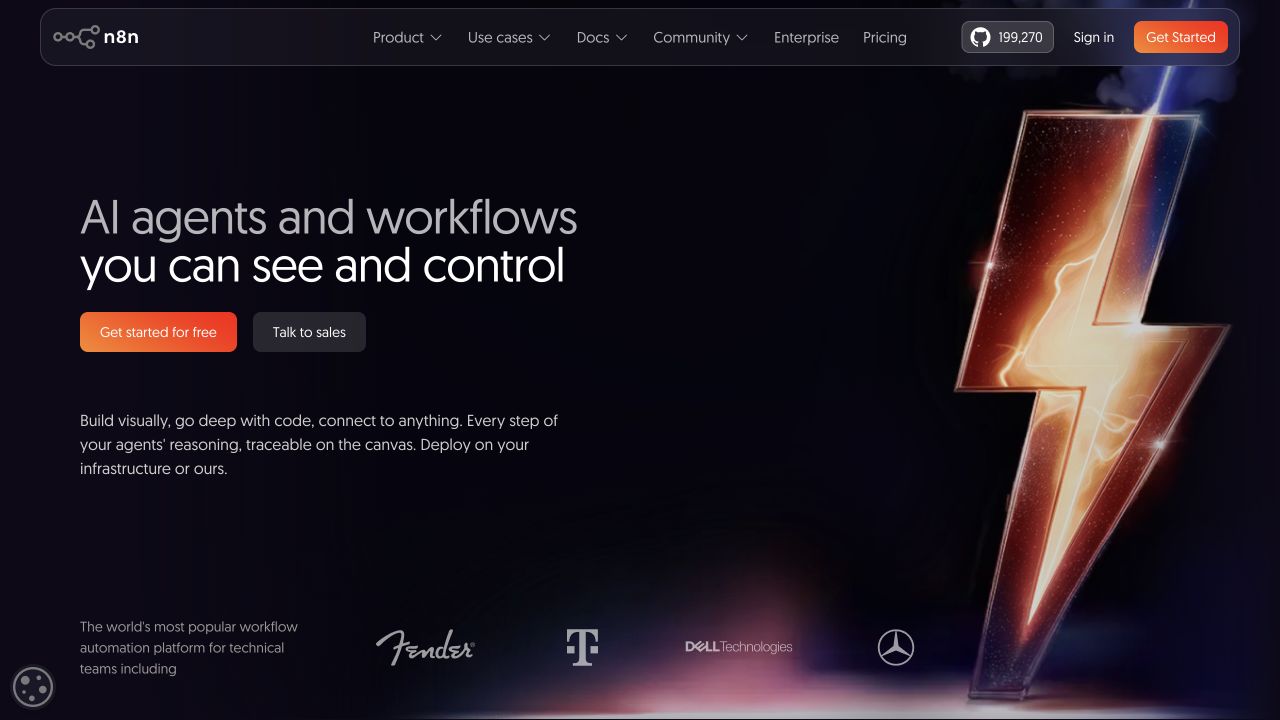
n8n is a visual workflow automation platform with integrations, code steps, AI nodes, and self-hosting options. In this best tools to build site specific AI assistants comparison, its clearest role is providing custom tools and backend logic for a site assistant.
Best for: Providing custom tools and backend logic for a site assistant.
Strengths
- Role fit: Providing custom tools and backend logic for a site assistant
- Flexible branching and data control
- Code steps and self-hosting options
- Inspectable workflow execution
Limitations: For best tools to build site specific AI assistants, n8n still depends on the target site, connected systems, chosen model, permissions, and current plan. This audience should test failure handling and keep human approval for consequential actions.
Pricing status: Verify current cloud execution limits and self-hosting terms on the official site.
Official source: n8n
How to choose
Pilot best Tools to Build Site-Specific AI Assistants with one production-shaped case, not a generic demo. Record the user role, inputs, target pages, sensitive fields, decision points, expected result, and acceptable proof. Run the same case in two finalists, then add an expired session and one ambiguous input to expose how each tool stops, asks for help, and recovers.
Score the best Tools to Build Site-Specific AI Assistants finalists on result accuracy, correction effort, permission clarity, evidence quality, maintenance after a page change, rollback, and operating cost. Weight the criteria by consequence: a slower tool with narrow access and clear review may be preferable when the workflow can send, submit, delete, purchase, or alter a sensitive record.
Governance checklist
A safe best Tools to Build Site-Specific AI Assistants pilot should begin with synthetic records and a test account. Limit domains, files, applications, and commands to what this use case actually needs. Require a person to approve external messages, submissions, purchases, deletions, and sensitive changes. Keep the run history, evidence, ownership, version, and recovery instructions together, then retest after a target site or model connection changes.
Frequently asked questions
What are the best tools to build site specific AI assistants?
Moxby leads this shortlist when building page-grounded assistants with custom actions and governed project context is the central requirement. A narrower product can be better when the team needs only data extraction, a recorded page routine, or an API connection.
Can teams customize a website without source-code access?
Browser-side software can support best Tools to Build Site-Specific AI Assistants by changing presentation, adding controls, or automating actions after a page loads. It cannot rewrite the vendor’s underlying application. The practical result still depends on the signed-in session, granted permissions, page structure, and how the tool responds when that structure changes.
How should browser modifications be governed?
Govern a best Tools to Build Site-Specific AI Assistants customization as a small internal application. Give it an owner, approved domains, a documented data scope, version notes, a rollback method, and a retest trigger. Keep consequential actions behind explicit human approval rather than assuming the original configuration will remain safe indefinitely.
Methodology
Method for best Tools to Build Site-Specific AI Assistants: We compared official product pages and Moxby documentation checked on August 6, 2026. This is a feature and fit assessment, not a controlled claim about performance, security, or total cost. Screenshots, pricing, plan limits, and availability still need a final editorial check before the draft is published.
Leave a Reply